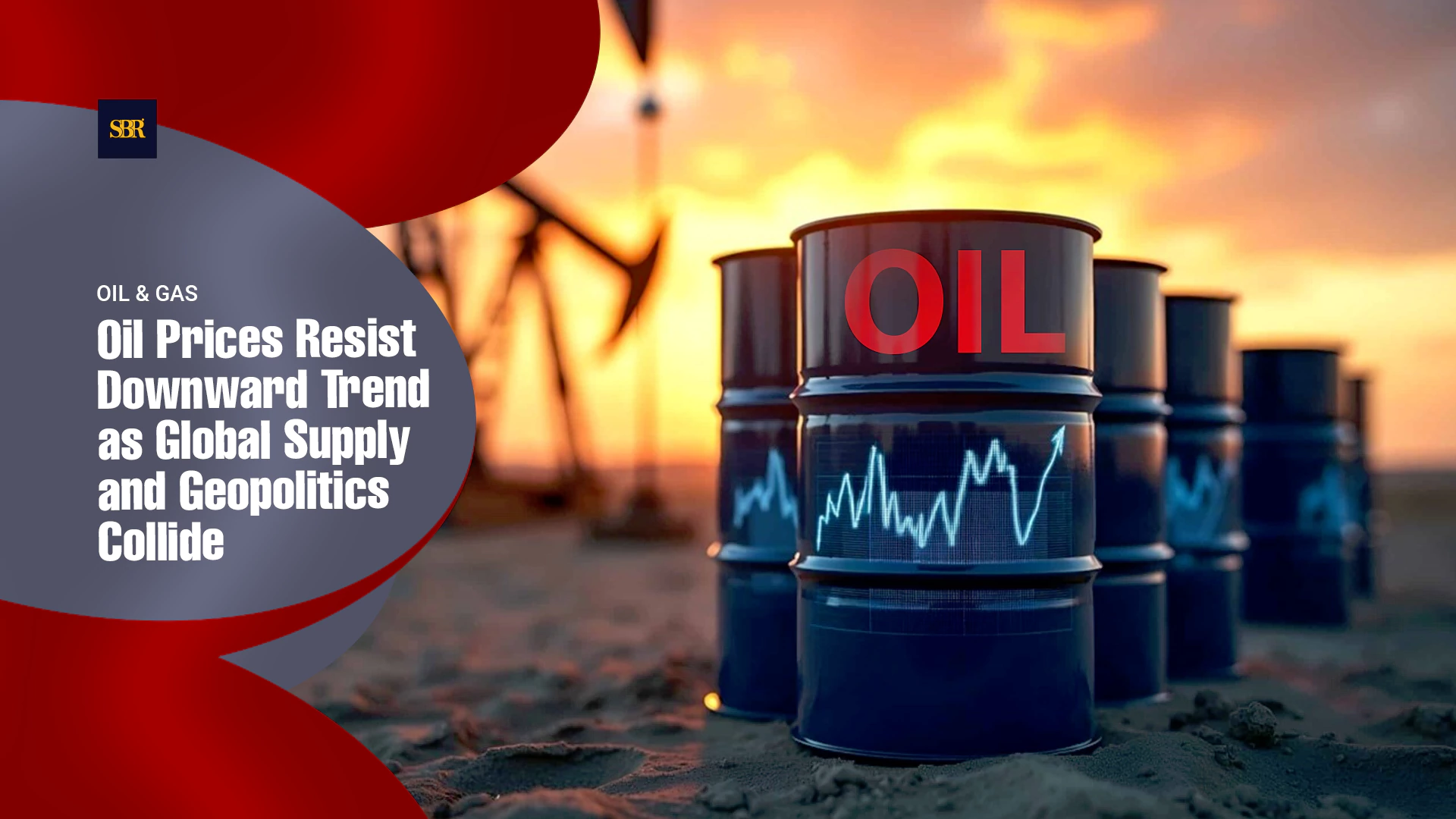
NEW YORK, Jan. 13, 2026 — Oil prices rose sharply on Tuesday as traders factored in possible disruptions to Iranian crude exports. Brent crude gained $1.88, or 2.9%, reaching $65.75 a barrel, nearing a three-month high. U.S. West Texas Intermediate rose $1.79, or about 3%, to $61.29 per barrel. Analysts attributed these increases to heightened geopolitical uncertainty, which included unrest in Iran, potential disruptions in Venezuela, and the broader context of the Russia-Ukraine conflict.
John Evans of PVM Oil Associates said traders were building in protection against geopolitical risks, including the potential exclusion of Iranian exports and uncertainties surrounding Venezuela. The price movement reflects investor caution as markets balance supply concerns with existing global crude inventories.
Iran’s Internal Crisis and Strategic Weight
Scope of Protests: Iran is witnessing the largest anti-government demonstrations in years. Government crackdowns have reportedly killed about 2,000 people and resulted in thousands of arrests. In response, U.S. President Donald Trump warned that countries conducting business with Iran would face a 25% tariff on transactions with the United States. Analysts noted that such tariffs could affect Iranian crude exports to major buyers, including China and India, potentially forcing Asian importers to consider alternative sources of oil.
The widespread nature of the protests, combined with the government’s hardline measures, has introduced uncertainty about Iran’s ability to maintain its export levels. Traders are watching for signs of disruption to crude flows, which could influence global benchmarks and create short-term volatility in oil markets.
Geopolitical Risk Premium: The unrest has added approximately $3-4 a barrel in geopolitical risk premium to global oil prices, according to Barclays. Brent’s premium over the Middle East benchmark Dubai has climbed to its highest since July. Market participants are actively factoring in the possibility of Iranian export disruptions and their potential effect on global crude balances. This risk premium illustrates how political instability can influence pricing even when production levels have not yet been directly affected.

Venezuelan Exports and Market Balance
Venezuela is also a factor in global oil market sentiment. Following political changes in Caracas, U.S. authorities suggested that Venezuela could release up to 50 million barrels of previously sanctioned crude. Traders and oil companies are closely monitoring how these potential exports could enter global markets, as they might partly offset upward pressure on prices caused by geopolitical risk. The market continues to weigh the influence of Venezuelan barrels against the risks of Iranian unrest, creating a delicate balance in pricing and trading positions.
Other Market Developments
On the same day, four Greek-managed oil tankers were struck by unidentified drones in the Black Sea while en route to the Caspian Pipeline Consortium terminal off Russia’s coast. Although no major disruption to overall crude supply has been reported, the attacks underscore ongoing risks to oil transportation. At the same time, European refinery throughput is high, keeping some pressure on refined product markets, particularly gasoil. These factors demonstrate how multiple geopolitical and operational developments interact to influence global oil prices.
Market Outlook
Traders and analysts said that oil prices may remain elevated in the short term while uncertainty persists in Iran and Venezuela. The market’s sensitivity to geopolitical events highlights how quickly sentiment can shift based on policy announcements, security concerns, or production changes. While crude gains have been noticeable, sustained higher prices will likely depend on whether actual disruptions occur, rather than potential risks alone.
The oil market’s response to these developments reflects the interconnected nature of global supply chains and investor behavior. Prices have moved higher as geopolitical risks have become more prominent, yet market participants continue to watch production levels, export decisions, and regional stability to gauge whether the recent gains will hold.
Iran is witnessing the largest anti-government demonstrations in years. Government crackdowns have reportedly killed about 2,000 people and resulted in thousands of arrests.