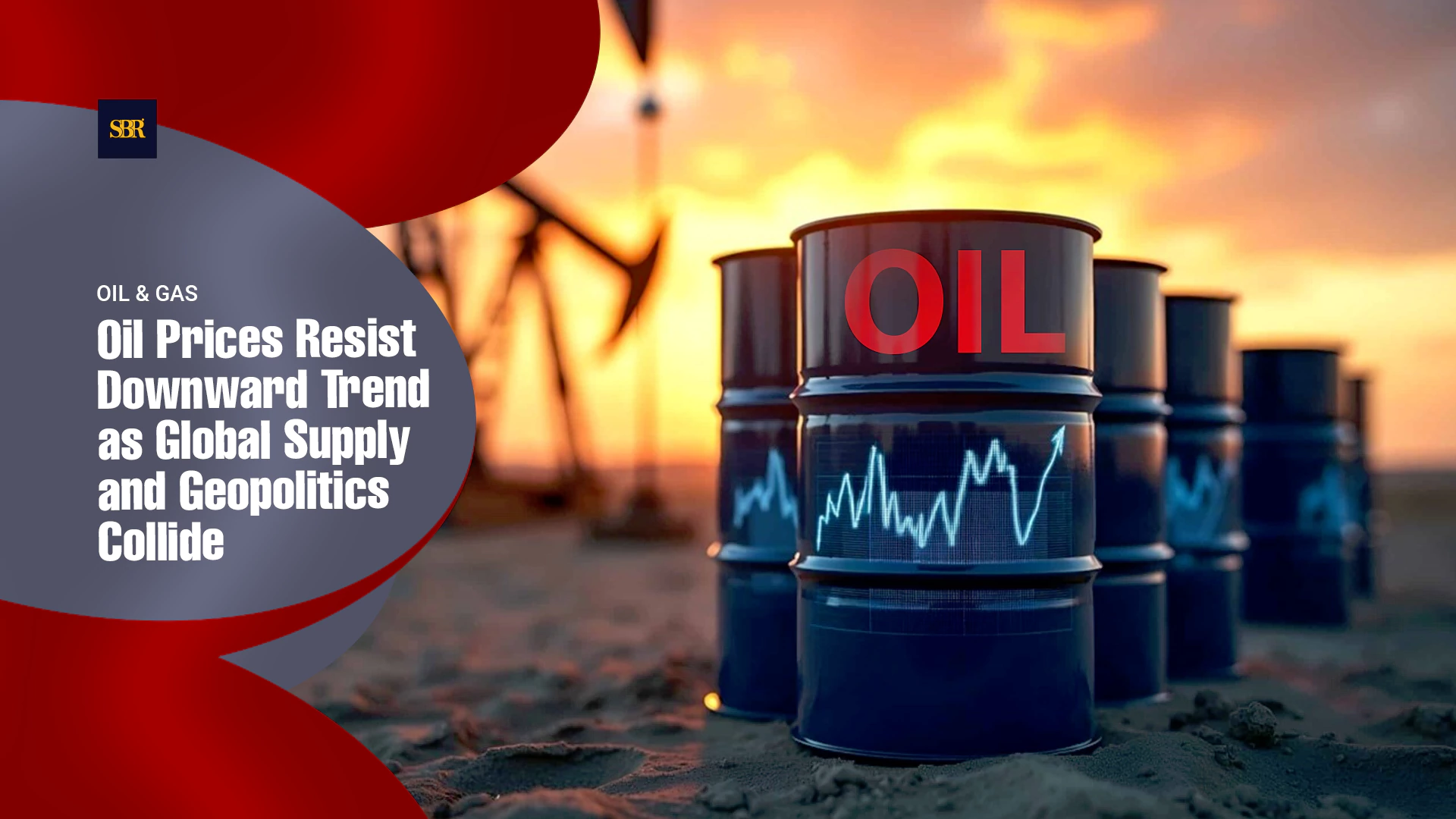
NEW YORK, Feb. 9, 2026 — Global oil prices fell more than one percent after concern about a possible military clash between the United States and Iran eased, prompting traders to unwind positions tied to geopolitical risk. Brent crude and U.S. West Texas Intermediate both declined as markets reassessed the likelihood of near-term disruption following signs that dialogue between Washington and Tehran remained active.
The drop reversed gains logged earlier in the week, when fears of escalation had lifted prices. As those fears softened, crude markets shifted attention back to inventories, production plans, and demand indicators. The shift highlighted how quickly sentiment can change when headlines lose intensity, especially in energy markets sensitive to Middle East developments.
Diplomatic Signals Cool Market Anxiety
Talks Resume and Rhetoric Softens: Oil prices had moved higher on worries that tension between the United States and Iran could escalate into confrontation, with traders focused on the risk of shipping disruption in the Middle East. That concern eased after officials indicated that talks would continue, reducing the sense that diplomacy had stalled. Comments pointing to constructive engagement suggested that confrontation was less likely in the near term.
The absence of new warnings or hostile statements also shaped market behavior. Without fresh signals pointing toward escalation, investors reassessed positions that had been built as protection against disruption. That reassessment contributed to selling across crude benchmarks as traders adjusted expectations.
Risk Premium Unwinds Across Crude Benchmarks: As diplomatic signals filtered through markets, part of the risk premium embedded in prices began to unwind. Brent and U.S. West Texas Intermediate both declined as defensive positioning lost relevance. The move reflected a shift in perception rather than any change in physical oil movement.
Analysts said such adjustments are typical when geopolitical tension eases without resolution. Prices often respond first to perceived risk, then settle as markets reconnect with inventories, output levels, and consumption trends. In this case, easing fears removed a key source of recent support, leaving crude vulnerable once fundamentals took priority again.

Focus Shifts Back to Output and Stocks
With anxiety about conflict fading, traders returned attention to production and inventory data. Output from major producers has remained ample, and there were no fresh indications of immediate changes in policy. That backdrop supported the view that near term balances remain comfortable.
Recent inventory reports added to caution. Data showing crude stock builds weighed on sentiment, particularly in the United States, where refinery activity has remained solid but product demand has not shown a strong upside surprise. Gasoline and distillate stocks also drew attention as markets assessed consumption outside peak travel periods.
These elements added weight to prices once geopolitical support weakened. Without clear signals from either tighter production or stronger demand, crude struggled to hold levels reached earlier in the week.
Demand Signals Remain Uneven
Demand indicators continue to send mixed messages, contributing to hesitation among buyers. Consumption in parts of Asia has shown resilience tied to travel and industrial activity, while Europe has faced softer economic readings. In the United States, fuel use has tracked seasonal patterns without exceeding expectations.
Currency moves also influenced sentiment. A firmer dollar made oil more expensive for buyers using other currencies, which can temper near term buying interest. That effect often gains influence when markets lack a dominant bullish driver.
Taken together, these signals encouraged restraint. Buyers appeared reluctant to push prices higher without clearer evidence of stronger consumption after the removal of geopolitical support.
Volatility Still Shapes Trading
Despite the decline, traders expect price swings to persist. Any change in tone from U.S. or Iranian officials could quickly alter sentiment, as could unexpected developments tied to production or transport. For now, markets appear more focused on data than fear.
Options activity suggested that expectations for price movement remain elevated compared with longer term norms. That points to ongoing uncertainty even as immediate conflict concerns ease. Participants remain alert to sudden shifts driven by political statements or economic releases.
In the sessions ahead, attention will turn to inventory figures, economic data, and comments from producer groups. These factors are likely to guide direction unless new geopolitical headlines emerge. Without such developments, prices may trade within recent ranges as markets digest shifting signals.
The latest slide underscores the delicate balance shaping oil markets. Prices can climb quickly when tensions build, yet retreat just as fast when those tensions ease. As fears of a U.S. Iran clash fade, crude has returned to a familiar test of fundamentals, with traders searching for the next decisive cue.
With anxiety about conflict fading, traders returned attention to production and inventory data. Output from major producers has remained ample, and there were no fresh indications of immediate changes in policy. That backdrop supported the view that near term balances remain comfortable.