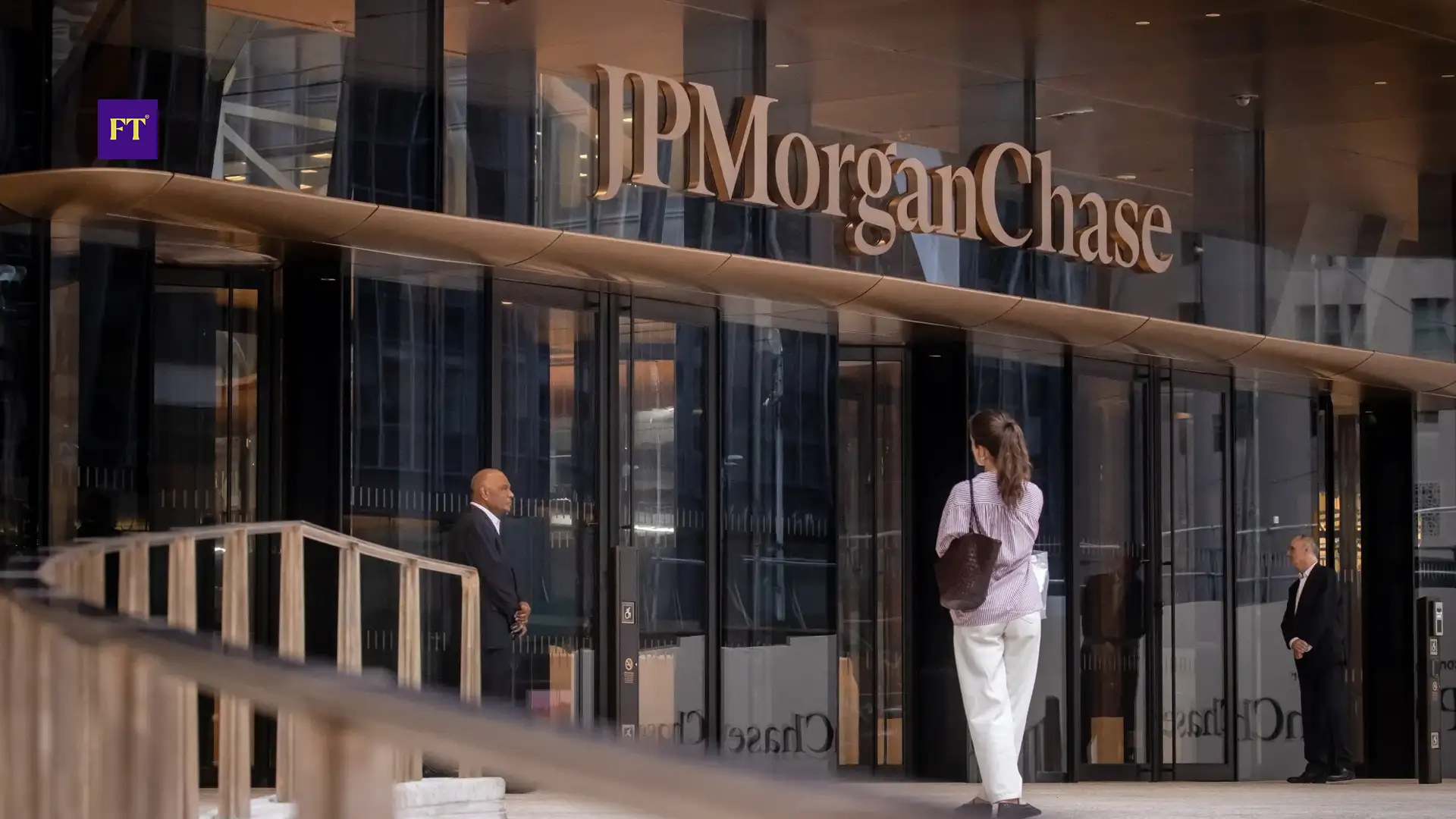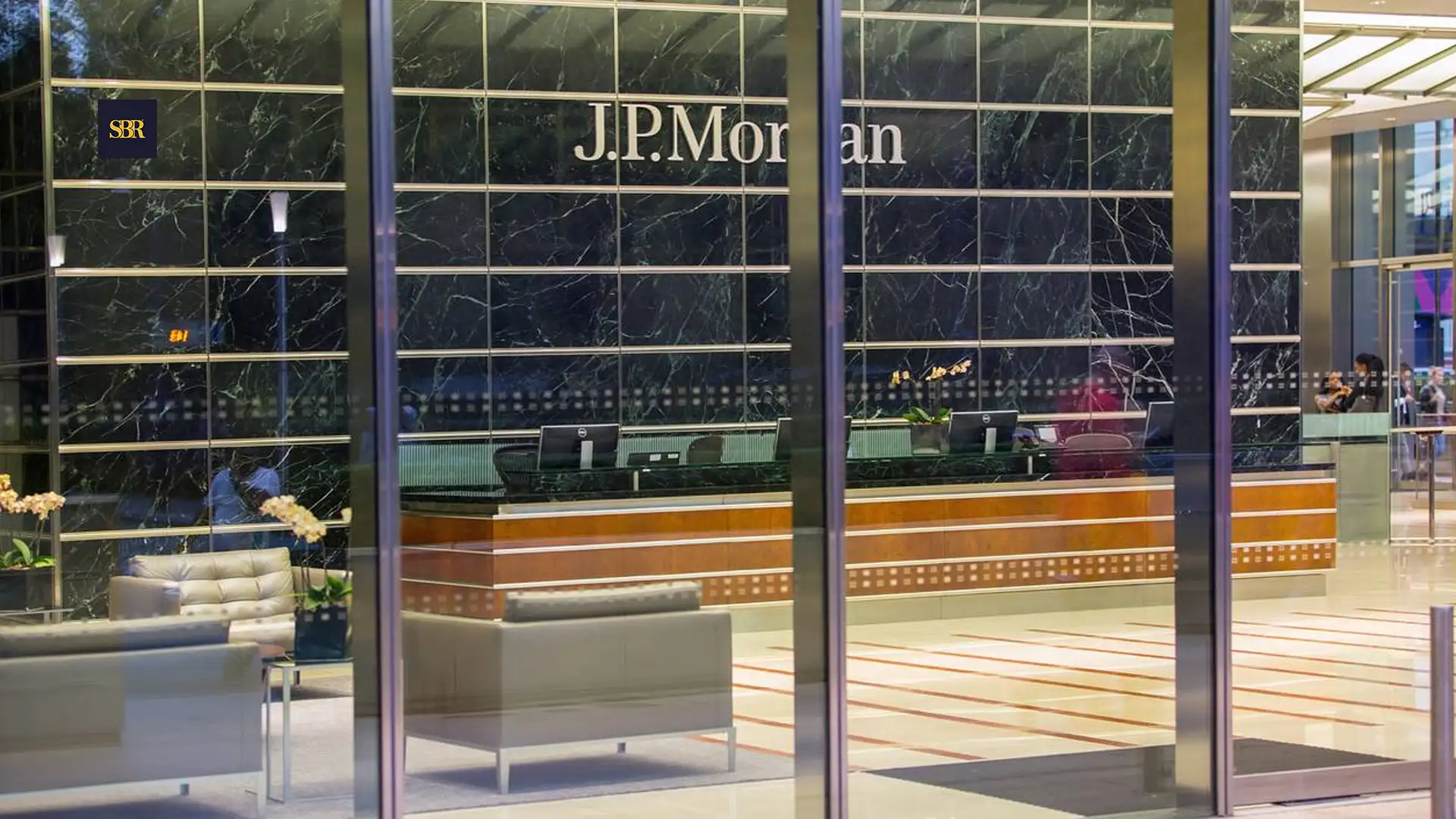
WASHINGTON, Nov. 17, 2026 — JPMorgan Chase said customers still had access to their accounts and funds on Monday despite a technical issue in the bank’s internal systems that delayed some financial transactions. The software bug affected transactions involving other financial institutions when Chase was a party to the transaction. The bank ruled out a cyberattack and reported Monday evening that transactions were processing normally.
“Due to a technical issue, some transactions are taking longer than usual to complete, but customers still have access to their accounts and funds,” a Chase spokesperson said in a statement. The bank had expected to resolve the issue by the end of Monday.
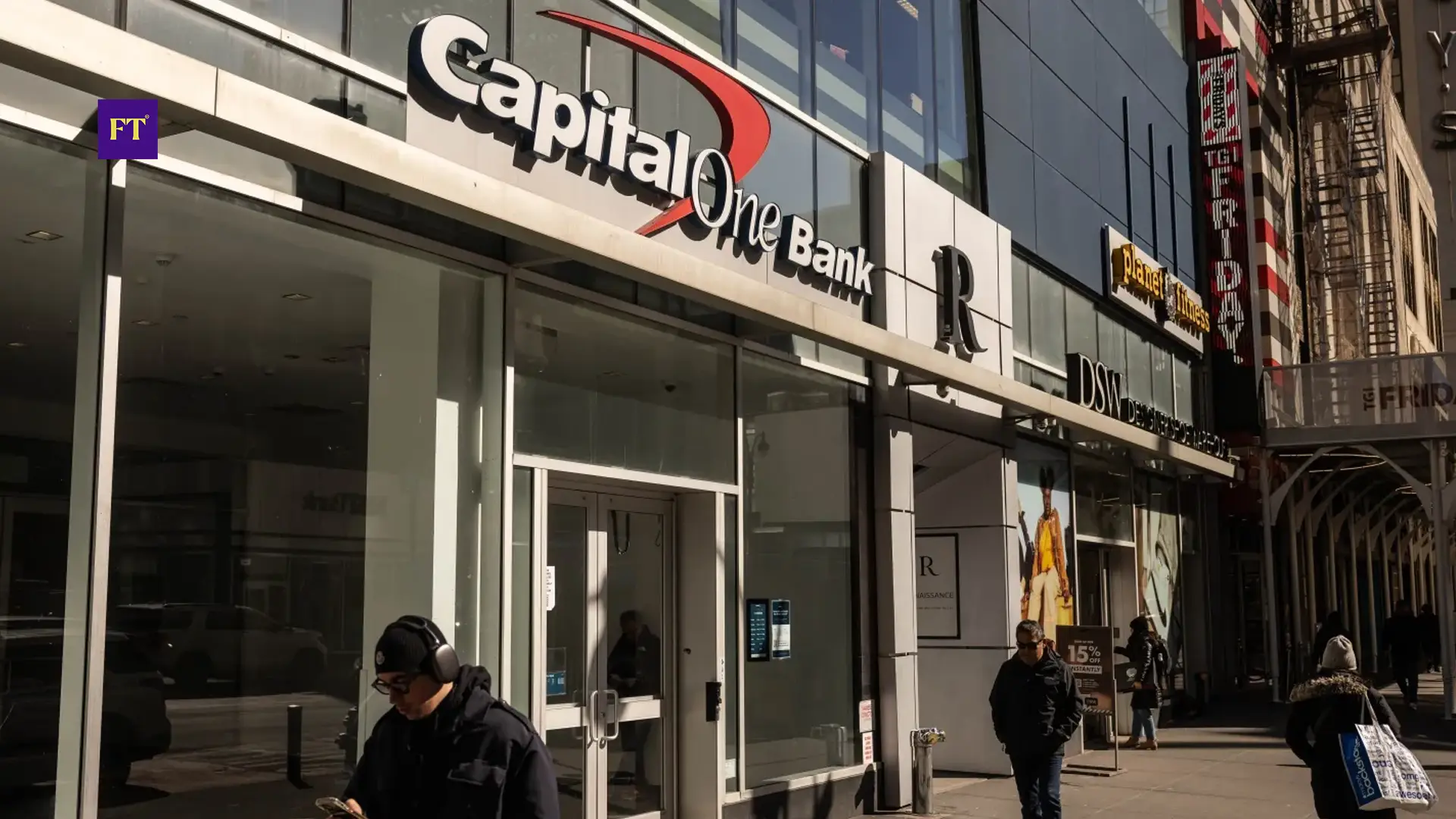
The disruption generated thousands of customer complaints. Downdetector recorded nearly 4,800 reports involving Chase by 2 p.m. Eastern time, the highest number among the banks monitored. Customers of Bank of America, U.S. Bank and Wells Fargo also reported banking service disruptions, while Downdetector recorded a surge in complaints involving Capital One and Truist. Capital One said it was operating normally and had not been affected.
Banking Services Face Delays
Chase customers reported difficulties accessing online accounts, checking balances, transferring funds and completing wire transfers. Some received an error message stating, “Some services aren't available. We’re working on them. Please try back later.” Problems were also reported at physical branches. A customer in Texas encountered difficulties depositing a check at a Dallas branch, where a teller reportedly told another customer that the “system was down.”
Reports involving other banks included difficulties with online banking, mobile applications, ATM services and payment processing. Bank of America customers reported problems with ATMs, online banking and mobile banking services, while Wells Fargo customers experienced trouble signing in, checking balances and completing transactions. U.S. Bank said its systems were not directly affected, although some customers could experience delays with Zelle payments involving another financial institution.
Zelle’s network remained operational despite payment delays involving some participating banks. The service operates through participating banks and credit unions, which manage customer accounts and hold their funds. A Zelle spokesperson explained: “Consumers use Zelle through participating banks and credit unions, which manage their accounts and hold their funds. Consumers do not have a separate Zelle account, and Zelle does not hold consumer funds.” Early Warning Services, Zelle's network operator, is owned by Bank of America, Capital One, JPMorgan Chase, PNC Bank, Truist, U.S. Bank and Wells Fargo.
Recent Outages Disrupt Major Services
The banking disruption followed two other major technology incidents in the United States. Microsoft restored Outlook and Teams services on Saturday after an outage that affected users, businesses and government operations. The disruption began Thursday and also affected AI assistant Copilot. Microsoft attributed the incident to a technical issue during an upgrade and said there was no indication of malicious activity or a cyberattack.
Earlier, a router malfunction overwhelmed an aging Federal Aviation Administration (FAA) system, forcing the agency to issue a nationwide ground stop on Friday. The disruption resulted in thousands of canceled flights and affected domestic air travel over the weekend. Airline schedules were returning to normal by Sunday. United Airlines also resolved a widespread system outage on Monday evening.
The three incidents had separate causes, but technology experts identified concerns about the reliability of interconnected systems. Mike Chapple, an IT, analytics and operations expert at the University of Notre Dame, said: “Our country has seen three very serious technology incidents over the past week,” he said. "When we dig into the details, each one has an explanation that makes sense on its own, but they all point to a common theme: the complexity and fragility of the systems that we depend on every day." Chapple also noted that the banking incident appeared to originate at Chase and affect other financial institutions through shared payment networks.
Karen Panetta, dean of graduate engineering at Tufts University, explained how disruptions at major service providers can affect other businesses. “The larger companies have global reach that affords their customers flexibility and seamless integration with other businesses,” she said. “Unfortunately, when one of these backbone providers has disruptions, the downstream effects are magnified. The multiple entities that rely on those services are also affected.” The FAA incident disrupted air travel, while the Microsoft outage affected access to widely used workplace applications.

Photo credit: Pexels
Fraud Risks Grow During Outages
Banking outages can leave customers concerned about account access and the safety of their funds, creating opportunities for criminals to exploit that uncertainty. Craig Timm, senior director of anti-money laundering at ACAMS, warned consumers to "assume they will be targeted." Fraudsters may use fake bank alerts, phishing messages, and social media posts offering assistance to obtain banking credentials or gain access to customers' computers.
Timm warned that fraudulent messages may urge customers "to take urgent action to protect their funds or restore account access." He also identified common methods used to target consumers: “These scams may take the form of fake bank alerts, phishing texts or emails, or social media posts that claim to offer help. Some schemes aim to steal banking login credentials, while others use malicious links to gain access to a victim's computer.” Customers should avoid unsolicited messages requesting personal or financial information and verify banking notices through their financial institutions' official channels.
Kayne McGladrey, a security expert and senior member of the Institute of Electrical and Electronics Engineers, advised customers to use alternative banking services when digital channels are unavailable. “Try ATMs, cards, phone banking and branches, which often keep working when the app doesn’t,” she said. She also recommended retaining records of failed transactions. “Screenshot failed transactions and error messages, since you may need them for reconciliation or fee waivers. Once service is back, ask the bank to reverse any fees the outage caused,” McGladrey said.
Downdetector recorded nearly 4,800 reports involving Chase by 2 p.m. Eastern time, the highest number among the banks monitored.