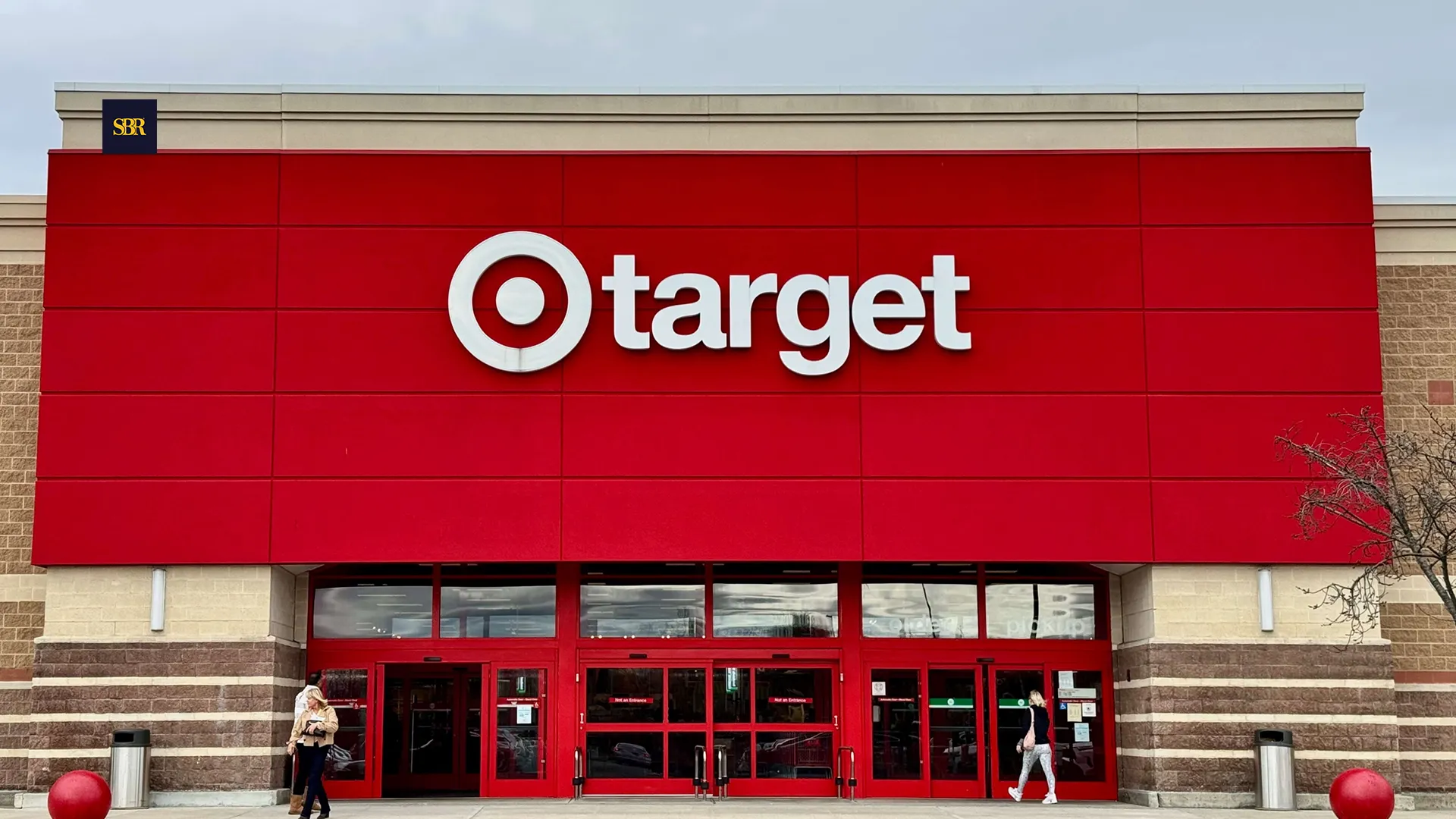
MINNEAPOLIS, March 14, 2026 — Target Corporation has lowered prices on more than 3,000 products as the retailer works to attract shoppers who have grown cautious about spending. The move marks one of the first major initiatives under the new CEO, Michael Fiddelke, as the retailer faces several quarters of uneven sales.
The reductions cover merchandise across apparel, home goods, baby products and food items. Most cuts range from about five percent to 20 percent, with the adjustments rolling out in stores and online during the spring season.
Company executives say the reductions are intended to present stronger value to shoppers who have limited purchases after several years of higher prices across many everyday categories. Retailers across the United States have taken similar steps as customers place greater focus on price and essential goods.
The effort comes at a time when many households are monitoring spending more closely. Inflation and economic uncertainty have pushed shoppers to search for lower prices, which has altered buying patterns across the retail sector.
New Leadership Seeks to Restore Growth
Michael assumed the role of chief executive earlier this year and has placed strong emphasis on pricing and merchandising as part of a wider plan to restore sales growth. The strategy follows several years of weaker performance for the Minneapolis based retailer.
Target has reported multiple quarters of declining revenue and operating income while losing ground to competitors that moved faster to attract price-conscious shoppers. The company has also relied heavily on discretionary merchandise such as apparel and home décor, categories that have experienced slower demand.
Investment Plans Under the New CEO: Under the new leadership, the retailer plans a broad program of investment that includes store upgrades, improved supply chain systems and new merchandise lines. Management has outlined plans to spend billions of dollars across the business to strengthen operations and attract customers back into stores.
Some stores are expected to receive remodels designed to improve the shopping experience, while technology upgrades are intended to help manage inventory and improve product availability. These steps form part of a wider effort to stabilize sales performance.
Price Strategy as an Early Step: The current round of price reductions represents an early step within that wider program. Executives believe visible savings on frequently purchased items could encourage shoppers to return more often and spend across multiple categories.
Lower prices on widely used products may also help draw attention to Target’s stores during a period when consumers are actively comparing prices across retailers.

Competition Intensifies Across the Retail Sector
Target’s decision also reflects stronger competition across the retail industry. Rivals such as Walmart and other discount chains have relied heavily on lower prices to attract shoppers seeking better value.
These companies benefit from a larger share of grocery and everyday essentials, categories that often perform better when consumers reduce spending on discretionary purchases. Target, by contrast, derives a significant portion of revenue from categories such as apparel and home goods.
When demand for those products slows, retailers must work harder to encourage customers to spend. Price reductions can narrow the gap with competitors and draw attention to value driven promotions.
The challenge remains significant. Analysts note that consumers who changed shopping habits during recent years may not return immediately. Retailers must show consistent value and appealing merchandise over time before customer traffic strengthens.
Analysts Remain Cautious About Results
Industry observers say the price cuts represent a logical step, yet they warn that reductions alone may not restore long term growth. Target implemented similar initiatives in earlier periods, and those efforts produced only temporary increases in sales.
The company now faces the task of maintaining competitive prices while protecting profitability. Retailers that rely heavily on discounts risk lower margins if price reductions are not matched by stronger customer demand.
Investors have responded with cautious optimism. Shares moved higher after the company outlined elements of its broader plan, though analysts continue to monitor how quickly sales trends improve.
The coming months will show whether the strategy can restore stronger shopper engagement. If the effort succeeds, the company could regain ground against major competitors and strengthen its standing in American retail. For now, the price cuts represent a significant attempt to reconnect with shoppers who have become far more selective about where and how they spend.
Under the new leadership, the retailer plans a broad program of investment that includes store upgrades, improved supply chain systems and new merchandise lines. Management has outlined plans to spend billions of dollars across the business to strengthen operations and attract customers back into stores.

















.webp)