WASHINGTON, Sept. 4, 2026 — The U.S. Department of Defense has disabled advertising tracking on government-issued phones and computers used by military personnel following reports that commercially available location data was used to target American forces in the Middle East. Letters released by Sen. Ron Wyden show that the Army, Air Force, Navy, Marine Corps and U.S. Special Operations Command have all disabled unique mobile advertising identifiers on government-issued devices.
The measures cover iPhones, Android devices and Windows computers managed across the military network, although the timing has varied by service. The Army said advertising identifiers on mobile devices were disabled earlier this year, while Windows advertising IDs have been blocked since before 2021. The Air Force disabled the identifiers on computers and mobile phones in July, while Special Operations Command recently disabled them on Windows devices.
Military Devices Lose Advertising Identifiers
Mobile advertising IDs, commonly known as MAIDs, are unique identifiers assigned to devices that can allow activity across mobile applications to be linked to a particular device. Location information generated through apps can then be collected, analyzed, and sold by companies operating in the commercial data trade.
Disabling those identifiers makes it harder for advertising and data companies to connect location records from government devices with a specific device identity. The Army said Android and Apple mobile devices had the advertising ID disabled by default since at least February 2026, while its Windows computers had the identifiers blocked for several years.

Commercial Location Data Raises Security Risks
The disabling of advertising identifiers follows reports that commercially obtained location information was used to track U.S. service members in the Middle East. Wyden and Rep. Pat Harrigan said in May that foreign adversaries had obtained commercial location data associated with American personnel. The lawmakers released information from several military branches showing that the services had adopted the advertising-ID restriction on government-issued smartphones.
A non-public report from a U.S. defense contractor also showed that commercial data could be used to trace movements from sensitive Defense Department facilities. Data brokers collect information from numerous sources and resell it, creating a channel through which information generated for advertising purposes can become relevant to military security.
Personal Devices Remain a Concern
Disabling advertising identifiers on government equipment does not remove every source of location information. Wyden and Harrigan said personal phones carried by service members and government contractors could still generate data that reaches commercial brokers. That leaves a separate issue for military officials because personnel may carry privately owned devices onto military facilities.
Privacy and advertising specialist Zach Edwards said disabling MAIDs on military-operated devices was a positive measure but cautioned that other forms of tracking could remain possible. Technical device information, network data and location information from applications can potentially be used together to identify or follow a device even without an advertising identifier.

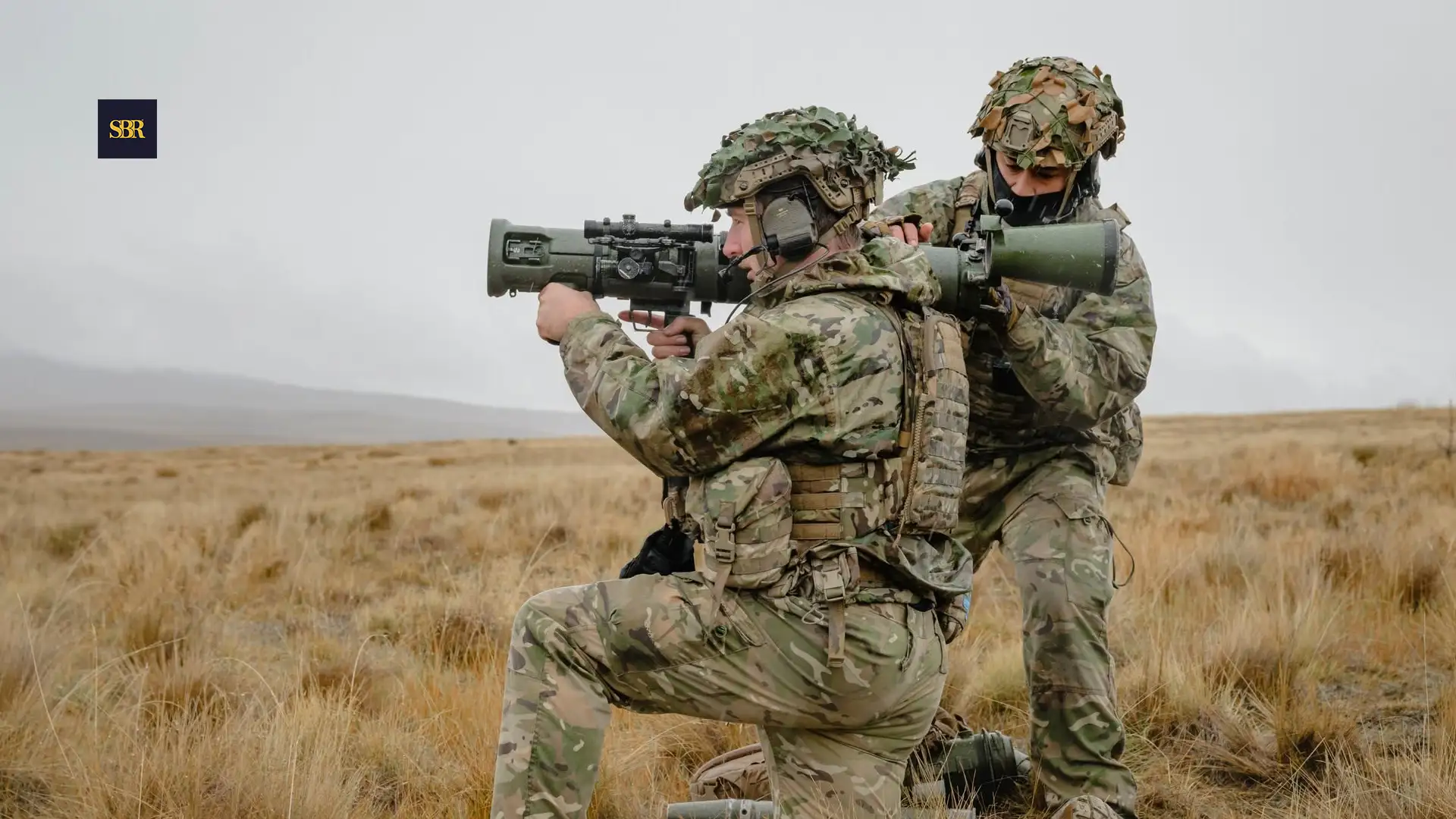
Photo credit: DoW
Data Brokers Face Scrutiny
Wyden and Harrigan have asked the Defense Department’s inspector general to investigate how location information connected to military personnel remains available for sale despite restrictions placed on government devices. They also want the review to examine commercial location data already purchased by the Defense Department and other government agencies.
The issue also raises questions about the wider use of commercially collected location information by government agencies. The U.S. intelligence community and FBI have acknowledged purchasing such data for surveillance and intelligence collection without a warrant, according to reporting by TechCrunch. For the Pentagon, the latest device restrictions add another layer to an ongoing debate over smartphones, commercial data brokers, and the security of military personnel.
The disabling of advertising identifiers follows reports that commercially obtained location information was used to track U.S. service members in the Middle East.











.webp)