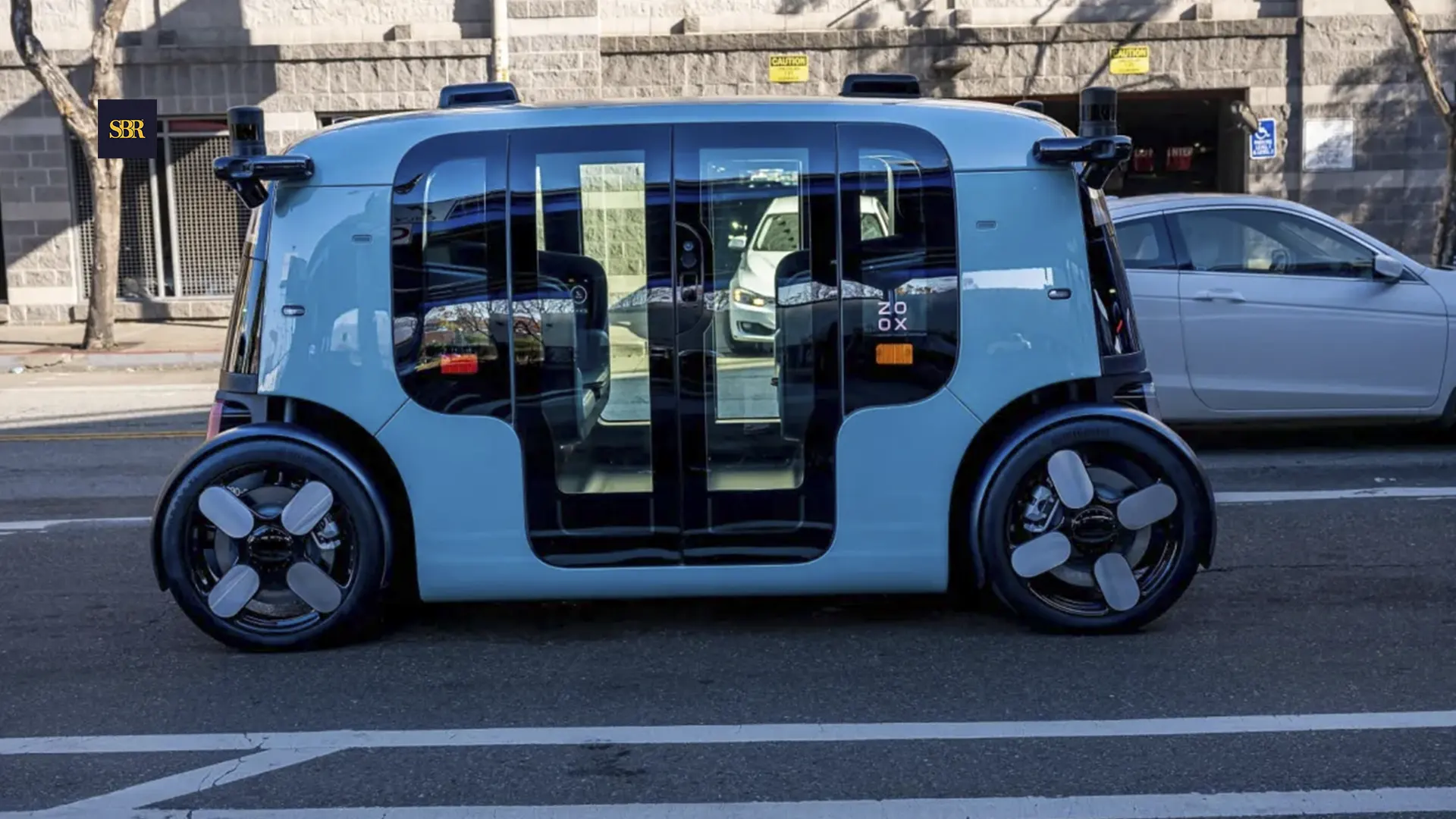
FOSTER CITY, Calif., June 24, 2026 — Zoox has unveiled a refreshed version of its robotaxi, introducing passenger-focused upgrades as it moves closer to commercial service. Unlike many rivals that retrofit existing vehicles, Zoox developed a purpose-built robotaxi with no steering wheel, pedals, or traditional driver’s seat. Passengers sit on opposing benches, creating a carriage-style cabin designed for shared travel.
The latest updates focus on rider comfort, usability, and interior functionality. Seat cushioning has been revised following passenger feedback, while the cabin now features brighter materials and a new aloe-green color palette paired with stone-grey trim. The design makes personal belongings easier to spot during and after rides.
Touchscreen displays have also been upgraded for improved visibility. Wireless charging pads now feature textured surfaces that help keep devices in place during travel. Cupholders have been enlarged to address one of the small but recurring concerns raised by riders during testing programs.
These changes may appear modest when viewed individually, yet they reflect a growing focus on passenger satisfaction as autonomous vehicle operators move from demonstration programs toward commercial services.
Vehicle Exterior Receives Functional Updates
Beyond cabin refinements, Zoox has introduced several exterior modifications designed to support day-to-day operations.
Among the most notable additions are rotating bidirectional reflectors that improve vehicle visibility. Sliding doors have also been upgraded with new microphones, speakers, and two-way audio systems, enabling passengers to communicate more effectively with remote support personnel when needed.
Communication systems have become an important component of autonomous ride services. Since no human driver is present inside the vehicle, passengers occasionally require assistance regarding pickup locations, route questions, or unexpected situations. Improved audio capability addresses that requirement while preserving the fully autonomous nature of the service.
The refreshed design demonstrates how robotaxi development extends beyond self-driving software. Passenger interaction, accessibility, vehicle visibility, and operational support all contribute to the viability of a commercial autonomous ride-hailing service.

Commercial Service Plans Gather Momentum
The vehicle refresh comes as Zoox moves nearer to revenue-generating operations. The company currently offers free rides in San Francisco and Las Vegas while seeking federal approval for commercial deployment.
Regulatory approval remains an important milestone because Zoox vehicles differ substantially from conventional automobiles. Since the robotaxis lack steering wheels and pedals, the company requires exemptions from several federal vehicle standards before charging passengers for rides. Federal regulators have already begun reviewing related exemption requests.
Zoox has repeatedly indicated that commercial operations will begin through its own platform before expansion to additional ride-hailing networks. Earlier this year, the company announced a partnership with Uber that would eventually place Zoox robotaxis on the ride-hailing platform in Las Vegas, with further deployment planned in Los Angeles.
The company has also expanded testing activity beyond its original deployment zones. Austin and Miami have joined San Francisco and Las Vegas as locations where Zoox is building operational capabilities and gathering additional real-world data.
As commercial service nears, passenger-facing refinements become more important. Riders paying for autonomous transportation may judge the service not only by vehicle performance but also by comfort, convenience, and overall ride quality.
Production Capacity Supports Expansion Plans
Commercial deployment requires more than software and regulatory approval. It also demands manufacturing capacity capable of supporting fleet growth.
Zoox recently opened a dedicated production facility in Hayward, California, marking a significant step in the company's expansion strategy. The 220,000-square-foot site is designed for serial production of purpose-built robotaxis and can eventually manufacture more than 10,000 vehicles annually at full capacity.
The facility handles vehicle assembly, hardware integration, software installation, calibration procedures, and testing activities before robotaxis enter service. This infrastructure gives Zoox greater control over vehicle development than competitors that rely primarily on modified consumer vehicles.
Fleet expansion has already begun. Zoox has reported substantial growth in service coverage across San Francisco and Las Vegas while preparing additional deployments in other metropolitan areas. The company has logged nearly two million autonomous miles and carried hundreds of thousands of riders during testing and pilot programs.
Competition remains intense. Alphabet-owned Waymo currently operates one of the largest robotaxi networks in the United States, while Tesla is pursuing autonomous ride-hailing ambitions. Against that backdrop, Zoox continues to differentiate itself through a vehicle designed specifically for autonomous transportation rather than adapting a conventional passenger car.
The refreshed robotaxi illustrates how the company is refining every aspect of the passenger experience before paid service begins. Improved seating, upgraded communications, revised cabin materials, and operational refinements all point toward a future in which autonomous vehicles are evaluated not only by their driving systems but also by the quality of the ride they deliver. As regulatory decisions draw nearer and production ramps up, Zoox appears focused on ensuring that passengers encounter a polished service from the moment commercial operations begin.
Beyond cabin refinements, Zoox has introduced several exterior modifications designed to support day-to-day operations.