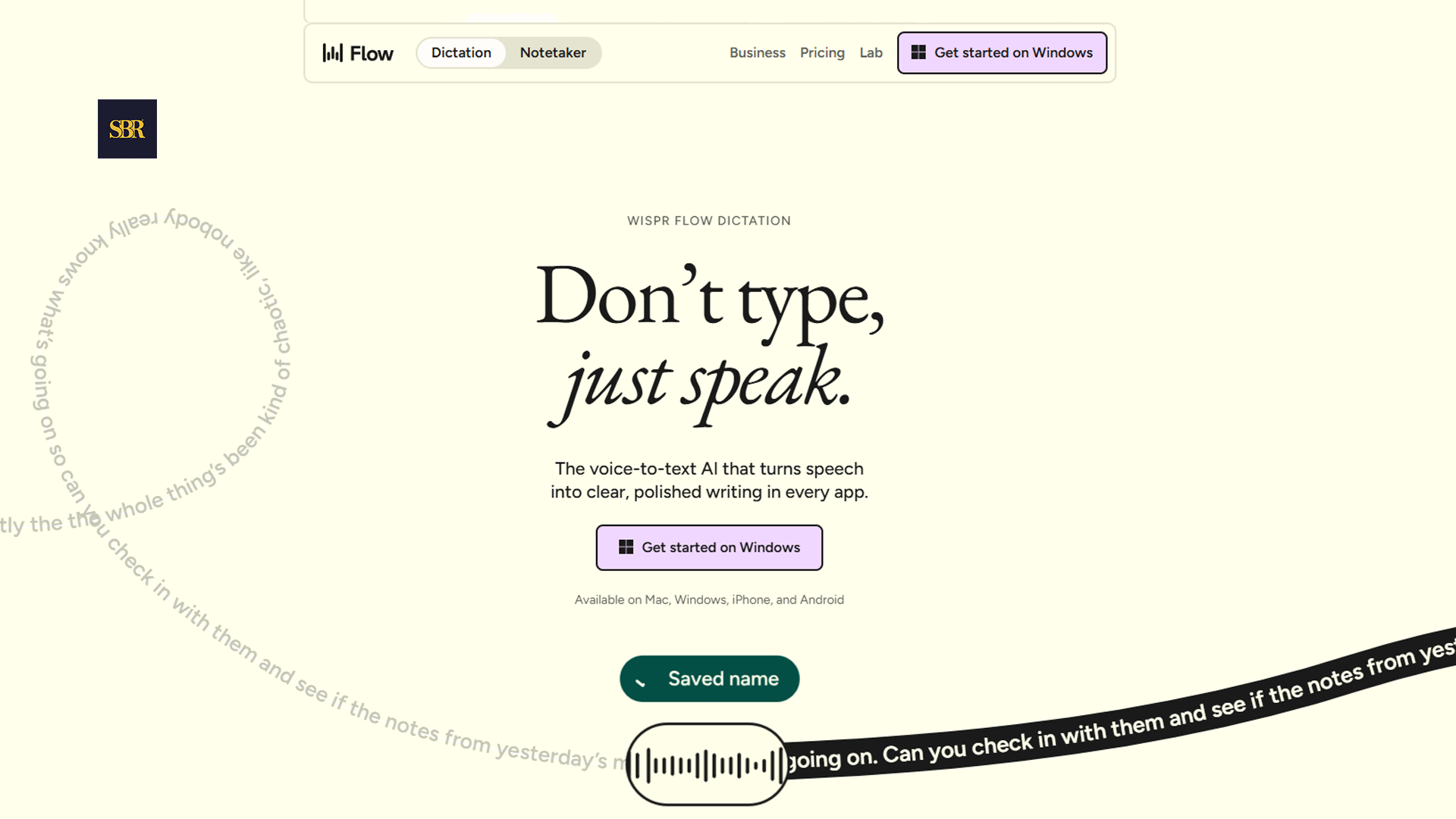
SAN FRANCISCO, August 18, 2026 — Wispr, the startup behind the AI dictation software Wispr Flow, has raised $280 million in Series B funding at a $2 billion valuation. Menlo Ventures led the round, bringing Wispr’s total capital raised to $361 million. Existing investors Notable Capital, NEA, Neo Ventures, 8VC and MVP Ventures participated, while Acrew, Forerunner, Goodwater, Peak XV, Together Fund and PLUS Capital joined as new investors. The financing comes less than 10 months after Wispr’s previous funding round and comes as competition grows across AI dictation and voice software.
Wispr plans to use the new capital to expand beyond dictation, with its recently released meeting note-taker among its new offerings. The company has also expanded its presence in India and the U.K. and partnered with hardware makers, including Oasis. Wispr Flow is now available on Android, while the company is developing products that use voice for tasks beyond converting speech into text. The expansion puts Wispr in competition with AI dictation products such as Willow, Monologue, Aqua and Superwhisper, as well as meeting software from companies such as Granola, Fireflies and Read AI.
Canto Targets Better Speech Recognition
Alongside the funding announcement, Wispr introduced Canto, a new speech model designed to improve recognition quality in Wispr Flow. The company said Canto will reduce error rates from 30% to less than 10%. The announcement follows complaints from some users about a decline in Wispr Flow’s dictation quality in recent weeks. Improving recognition accuracy will matter as Wispr expands voice input into meetings, workplace tasks and other forms of computer interaction.
Canto also gives Wispr greater control over the technology behind its main product. The company said the model is part of its work to improve speech understanding as it expands into new uses for voice. The focus on recognition quality comes as Wispr faces competition from other AI dictation products, including free and lower-priced tools aimed at prosumers.

Wispr Moves into Meetings
The meeting note-taker marks an expansion of Wispr’s product range. The software can produce meeting summaries and action items, putting Wispr into a category that includes Granola, Fireflies and Read AI. The company has room to connect the tool with other software so users can turn meeting information into updates, documents or email drafts rather than simply receiving a summary.
The move into meetings gives Wispr another way to use its speech technology beyond dictation. Voice input can begin with a spoken instruction and lead to other workplace tasks. For Wispr, the challenge will be to make these functions useful enough for customers to rely on them as part of their regular work.

Image credit: Wispr
New Markets and Interfaces
Wispr has also expanded its reach through new platforms and hardware partnerships. Since November, the company has released Wispr Flow for Android and expanded its go-to-market operations in India and the U.K. It has also partnered with hardware makers such as Oasis to let users dictate through their devices without speaking loudly. These efforts give Wispr additional ways to bring its speech technology to users outside its main desktop application.
Last month, Wispr launched Wispr Interface Labs under Ariya Rastrow, who worked on Amazon Alexa in its early years. The lab is exploring new interfaces for human-computer interaction. This work points to Wispr’s interest in applications beyond speech-to-text as it examines how voice can support different forms of computer interaction. The $280 million Series B gives the company substantial capital to develop these products as competition intensifies across the AI software sector.
Alongside the funding announcement, Wispr introduced Canto, a new speech model designed to improve recognition quality in Wispr Flow. The company said Canto will reduce error rates from 30% to less than 10%.