Artificial intelligence is changing how software is written, tested, and deployed across businesses worldwide. Developers now use AI coding assistants, automation tools, plugins, and agentic systems that can generate large amounts of code within minutes. While those tools improve speed and productivity, they also create new cybersecurity risks connected with vulnerable code, hidden dependencies, unauthorized plugins, and poorly governed AI systems. Backslash Security was created to help organizations manage those challenges through application security technology designed specifically for the AI coding era.
Founded in Israel, Backslash Security develops software that gives organizations better visibility into AI-powered software development systems and application security risks. The company focuses heavily on protecting businesses using AI coding assistants, open-source components, and automated development workflows. Rather than relying only on older security tools built for traditional software development, Backslash develops systems intended for modern AI-assisted coding practices where software changes happen rapidly, and security visibility becomes more difficult to maintain.
The company describes modern AI development systems as a new attack surface because businesses now rely on coding agents, plugins, AI assistants, Model Context Protocol servers, and connected development tools operating across several workflows at the same time. Backslash develops security software designed to monitor, assess, and protect those systems while helping organizations detect vulnerabilities connected with AI-generated code and software dependencies.
AI Coding Creates New Security Risks
Software development has changed significantly during the past few years as AI coding tools have become more common across engineering departments. Developers can now generate large amounts of code through AI assistants that write functions, suggest fixes, generate APIs, and automate repetitive programming tasks. Those systems allow businesses to build products faster, though they also create cybersecurity concerns because AI-generated code may contain vulnerabilities, insecure dependencies, or hidden flaws that developers fail to detect immediately.
Backslash Security focuses heavily on those risks through application security technology designed for AI-native software development. The company states that traditional security systems often struggle to handle the speed and scale created by AI-generated software because older tools were built for slower development cycles and smaller code volumes. AI coding systems can generate huge amounts of software within short periods, making security analysis more difficult for organizations relying on manual reviews or older scanning systems.
The company also highlights risks connected with open-source software dependencies. Modern applications often contain large amounts of third-party code pulled from external libraries and software packages. Backslash states that many software codebases now involve open-source components, creating additional security exposure when vulnerable or undeclared packages enter applications unnoticed.
Backslash developed technology called App Graph, described as a digital twin of an application that maps software components, dependencies, workflows, and relationships inside applications. Instead of scanning software line by line, the system creates a larger view of how application components interact with one another. That structure allows security professionals to identify vulnerabilities considered reachable and exploitable within real operating conditions rather than producing large lists of theoretical risks.
The company also focuses on “triggerable” vulnerabilities, referring to security flaws that attackers could realistically exploit during application execution. By filtering unnecessary alerts and prioritizing exploitable issues, Backslash attempts to reduce alert overload for security professionals managing large software systems.
Application Security Moves Beyond Older Systems
Traditional application security tools often generate large numbers of alerts that security professionals struggle to prioritize efficiently. Many older systems rely heavily on static analysis methods that identify vulnerabilities without considering how applications actually function during execution. That process can create excessive noise and slow remediation efforts because developers spend time reviewing alerts that may never become exploitable risks.
Backslash addresses those problems through application-centric analysis designed around contextual visibility and dependency mapping. The company states that App Graph technology helps organizations identify more meaningful risks by understanding how software components connect within real business applications.
The platform also supports reachability analysis, which helps determine whether vulnerable packages or dependencies can actually be accessed during application execution. That distinction matters because not every vulnerable package creates immediate operational risk. Security professionals often need to determine which vulnerabilities require urgent remediation and which pose limited exposure within real application behavior.
Another major focus for the company involves AI coding governance. Businesses adopting AI coding assistants often struggle to track which tools employees are using, which plugins are installed, and how AI systems interact with internal infrastructure. Backslash develops systems designed to provide visibility into those workflows while helping organizations apply governance policies across AI development tools and coding environments.
The company also supports security controls connected with prompt injection risks, data exposure concerns, unauthorized access permissions, and privilege escalation inside AI-assisted coding systems. Those threats have become more important as businesses adopt agentic AI systems capable of interacting with files, repositories, databases, and external services through automated instructions.
Founder Experience Shapes Product Direction
Backslash Security was founded by cybersecurity professionals Shahar Man and Yossi Pik. Company leadership frequently discusses how software development changed after the arrival of generative AI and automated coding systems. Rather than viewing AI coding as a temporary trend, the company describes it as a long-term change in software engineering workflows.
The company’s branding often references “vibe coding,” a phrase connected with developers relying heavily on AI systems during software creation. Backslash uses that terminology to describe modern coding workflows where developers guide and supervise AI-generated software rather than writing every line manually.
Backslash also places strong attention on operational simplicity. The platform operates without requiring heavy agent installations or intrusive deployment systems that can slow developer workflows. Company messaging frequently focuses on helping security professionals gain visibility without disrupting software development speed.
Research published by the company also explores how large language models generate insecure code unless developers provide additional security instructions during prompting. According to company research, several widely used AI coding systems may create insecure software patterns by default, especially when developers fail to specify secure coding requirements. That concern reflects larger discussions taking place across cybersecurity and software engineering sectors regarding the reliability of AI-generated software.
The company also works heavily with enterprise customers seeking application security systems capable of handling large software ecosystems and AI-assisted development practices. Backslash states that many businesses now require security platforms designed specifically for AI-native software development rather than relying entirely on older application security tools built before generative AI became widely adopted.
Cybersecurity Demand Grows in the AI Era
Artificial intelligence continues to change software development across industries, and cybersecurity concerns connected with AI-generated code are growing rapidly. Businesses now use AI systems for coding, automation, customer support, analytics, and infrastructure management, creating larger digital attack surfaces and additional operational risks.
Backslash Security operates within the cybersecurity sector, now placing greater attention on AI governance, software visibility, dependency management, and application security automation. Many organizations adopting AI coding tools now require systems capable of monitoring developer activity, identifying risky software dependencies, and preventing insecure code from entering production systems.
Investor interest in AI cybersecurity companies has also grown as enterprises search for security tools designed specifically for modern AI infrastructure. Backslash has attracted backing from venture capital firms and cybersecurity investors connected with application security and enterprise software sectors. Several well-known cybersecurity executives and technology founders have also supported the company as investors and advisors.
The company continues developing technology connected with AI application security, developer visibility, reachability analysis, and software governance as businesses adopt larger AI-assisted coding systems. From dependency mapping to AI workflow monitoring, Backslash reflects how cybersecurity priorities are changing alongside modern software development practices.
As AI-generated software becomes more common across enterprises, security systems designed for older development workflows may struggle to keep pace with the speed and scale of automated coding. Backslash Security addresses those challenges through application security technology built specifically for organizations managing AI-powered software development and modern developer ecosystems.
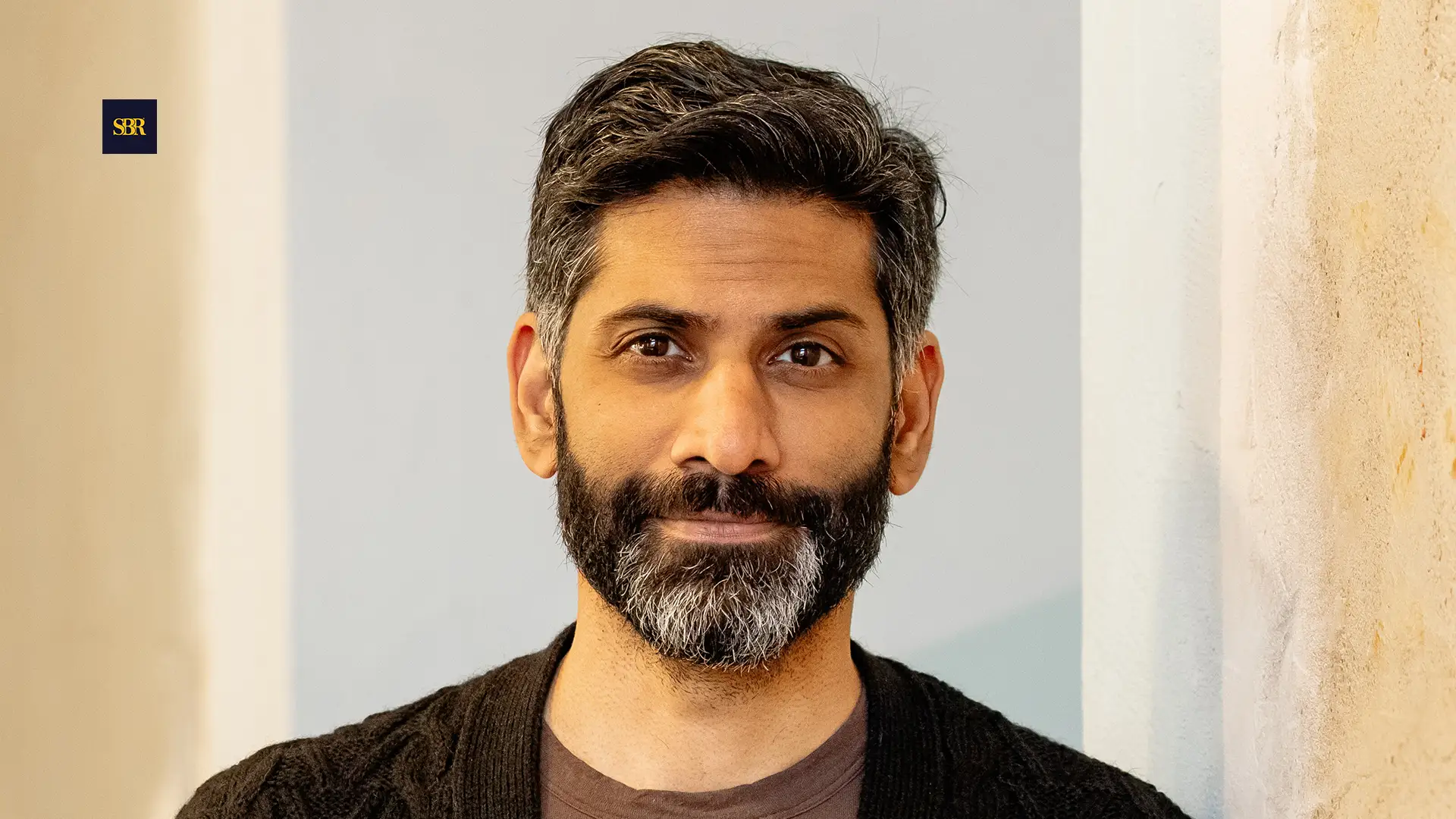
Shahar Man, Co-Founder & CEO, Backslash Security