Astroscale Holdings Inc is a Japanese company working to keep Earth’s orbit safe and sustainable. It develops spacecraft that inspect satellites, monitor debris, and remove hazardous objects for civil, defense, and commercial customers. As orbit becomes crowded with satellites, rocket stages, and fragments, the company designs missions that rely on advanced navigation and capture systems. These spacecraft demonstrate that orbital operations can be conducted safely and responsibly, protecting valuable resources while enabling continued use of low Earth orbit.
The company began with the recognition that orbital debris is a growing challenge for satellite operators worldwide. Collisions between satellites or with fragments can generate more debris, creating hazards that threaten communication, navigation, and observation satellites. By focusing on debris removal, Astroscale addresses a critical need for sustainable access to space.
The first major demonstration, ELSA-d, tested a servicer spacecraft performing autonomous rendezvous and docking with a simulated debris object. The mission showed that spacecraft can approach, inspect, and conduct capture operations using magnetic docking, giving engineers practical experience operating in orbit. ELSA-d also provided valuable data for future missions, helping refine guidance, navigation, and control for debris removal. This demonstration proved that controlled interactions with objects in orbit are possible and safe.
ADRAS-J and Debris Characterization
The Active Debris Removal by Astroscale-Japan mission, ADRAS-J, targeted a large rocket body left in orbit from a previous launch. The mission captured detailed information about the object, including its size, condition, and motion. By approaching real debris, ADRAS-J showed that commercial spacecraft can safely interact with objects not designed for servicing. The mission collected data that informs the development of systems to remove derelict satellites, reduce collision risks, and improve long-term orbital safety.
Repeated maneuvers during the mission demonstrated that precise operations in orbit are possible. Engineers observed the behavior of the debris and validated guidance and docking procedures, establishing benchmarks for future operational spacecraft designed to remove hazardous objects. The data gathered by ADRAS-J can support models that predict how objects move in orbit and how they respond to retrieval operations. This helps reduce uncertainty for operational satellites that share the same orbital regions.
ELSAM and Multi-Object Removal
The ELSA-M mission concept targets multiple inactive satellites in a single operation. The objects selected are equipped with docking interfaces to allow secure capture and removal. This mission tests the ability to manage multiple objects in succession, demonstrating techniques for safely reducing clutter in heavily used orbital regions.
ELSAM relies on autonomous navigation, proximity operations, and mechanical capture systems to secure each target before guiding it out of orbit. By handling several objects in one mission, the company refines operational procedures, evaluates fuel usage, and explores methods to remove multiple derelict satellites efficiently and safely. The mission also demonstrates that scalable debris remediation is achievable, showing how operators can address more than one object in a single launch and return valuable orbital space for active satellites.
COSMIC and Removing Unprepared Debris
The COSMIC mission concept addresses objects not designed for servicing. Using robotic arms and advanced navigation, the spacecraft can capture unprepared debris that lacks docking interfaces. COSMIC tests demonstrate that robotic systems can grapple and remove unplanned targets, widening the range of objects that can be safely de-orbited. This capability could allow operators to remove defunct satellites and rocket stages that were not designed for capture, reducing long-term collision risk in orbit.
These missions show that responsible orbital operations are possible through careful design, rigorous testing, and precise execution. By inspecting, capturing, and removing debris, Astroscale reduces collision risks for active satellites, safeguards critical infrastructure, and protects future access to low Earth orbit. Partnerships with agencies such as the Japan Aerospace Exploration Agency and commercial operators support deployments across multiple orbital regions.
Astroscale’s mission portfolio demonstrates a step-by-step approach to orbital safety. Technology demonstrations, operational validation, and multi-object retrieval illustrate how commercial spacecraft can handle debris with high precision. Each mission expands knowledge about debris behavior, spacecraft handling, and the feasibility of removal operations, providing benchmarks for future missions that could serve the global satellite community.
By pursuing these missions, Astroscale shows that commercial and government actors can operate responsibly in orbit and ensure that space remains safe and accessible for future generations. The company’s efforts highlight the importance of planning, engineering, and international collaboration in addressing the growing challenge of orbital debris. These operations contribute to long-term sustainability in low Earth orbit and support continued use of satellites for communication, navigation, and observation worldwide.
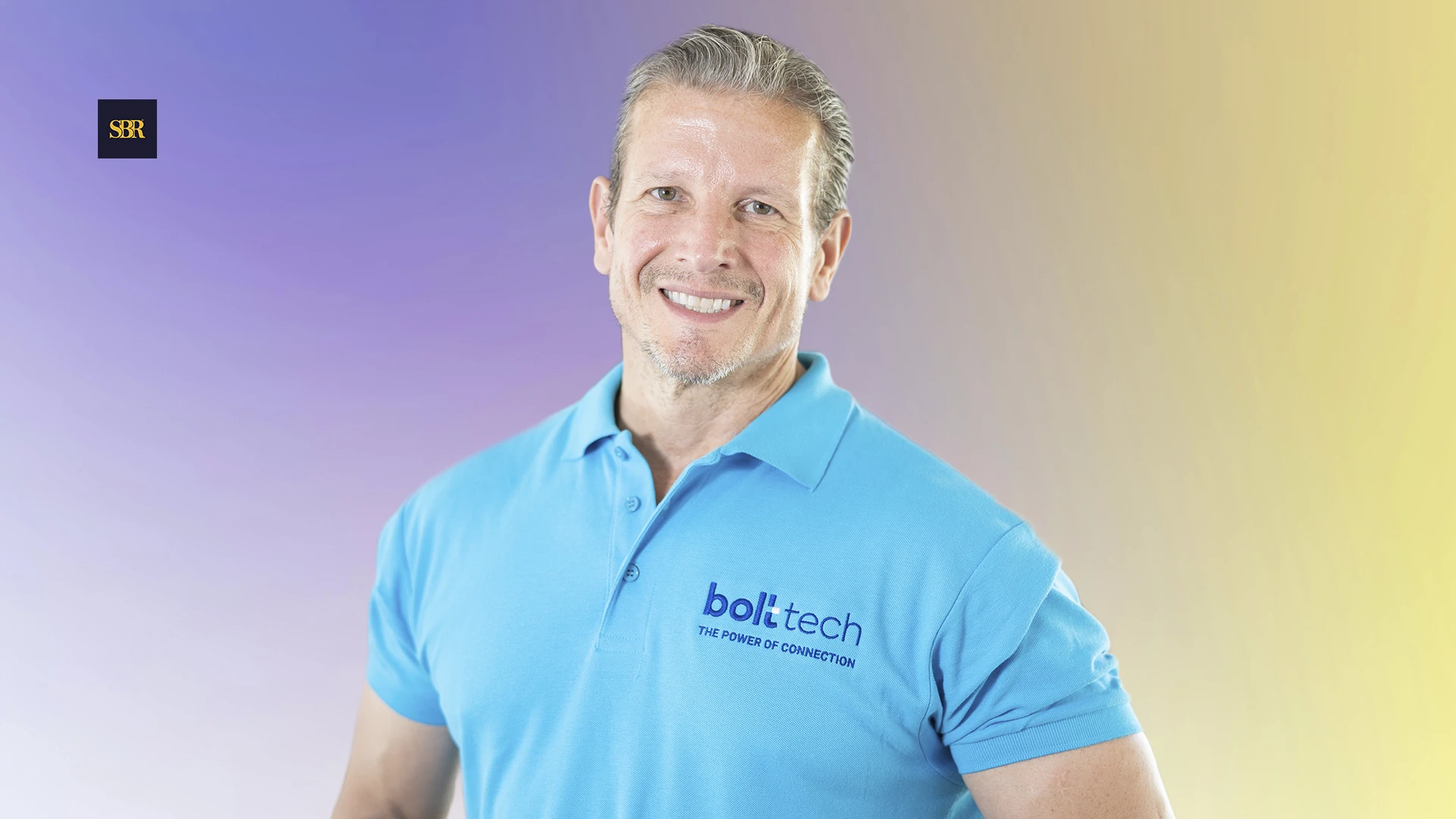
Nobu Okada, Representative Director, President & CEO, Astroscale