Tiki began in 2010 as an online bookstore in Vietnam. The company initially focused on selling books directly to customers, building early trust through product quality and consistent service. During the early development of online shopping in Vietnam, Tiki focused on selling books directly to customers and built its reputation through consistent service and product quality. Over time, the platform expanded beyond books into additional categories, gradually evolving into a full-scale e-commerce marketplace serving consumers across Vietnam.
As demand for online shopping increased nationwide, Tiki transitioned into a broader retail platform that allows third-party sellers and brand partners to list products. This shift marked an important stage in the company’s growth, as it moved from a single-seller model to a marketplace structure that supports multiple merchants. The expanded model significantly increased product availability while giving customers access to a wide range of goods in one location. The company is headquartered in Ho Chi Minh City and operates across the country, supporting customers in both urban and regional markets.
Product Range and Marketplace Model
Tiki now offers millions of products across major categories, including electronics, fashion, home goods, books, groceries, and personal care items. The platform enables customers to browse items from multiple sellers, compare available options, and complete purchases within a single transaction process. This structure allows users to search efficiently while reviewing product details and seller information within the same interface.
The marketplace model allows merchants to reach a broad consumer base while using Tiki’s infrastructure for order processing and fulfillment coordination. Sellers benefit from access to a large audience, while customers gain exposure to diverse product selections. The system supports variety in listings and helps organize transactions in a centralized digital environment. Customers can access the platform through its website or mobile application, making shopping available on both desktop computers and smartphones. This accessibility allows users to shop at their convenience without limitations related to location or time.
Delivery and Customer Experience
Delivery services play a central role in Tiki’s operations and overall customer experience. The company introduced fast delivery options in major cities, including same-day and next-day services in select areas. These logistics capabilities are designed to support timely order fulfillment, particularly for electronics and essential household products that customers often need quickly.
Tiki’s system integrates inventory management with partner sellers and warehouses, allowing orders to move through the supply chain in an organized manner. This coordination helps ensure that purchases are processed, packed, and delivered through structured workflows. Customers can track their orders within the platform and receive updates on shipping progress, which keeps them informed throughout the delivery process. The focus on dependable fulfillment has contributed to Tiki’s standing as one of Vietnam’s established e-commerce brands.
Services and Platform Features
Beyond product sales, Tiki provides additional digital services within its ecosystem. Customers can access promotions, vouchers, and loyalty benefits through the platform, which supports engagement and repeat usage. The app allows users to manage orders, review purchase history, and complete transactions securely within a unified system.
The company’s continued development reflects the broader growth of online retail in Vietnam, where consumers increasingly rely on digital platforms for everyday shopping needs. As internet access and smartphone usage expand, online marketplaces have become a routine part of consumer behavior. By combining a wide product selection with delivery infrastructure and user-focused features, Tiki maintains its role as a significant participant in Vietnam’s e-commerce sector, serving customers and merchants through a centralized digital marketplace.
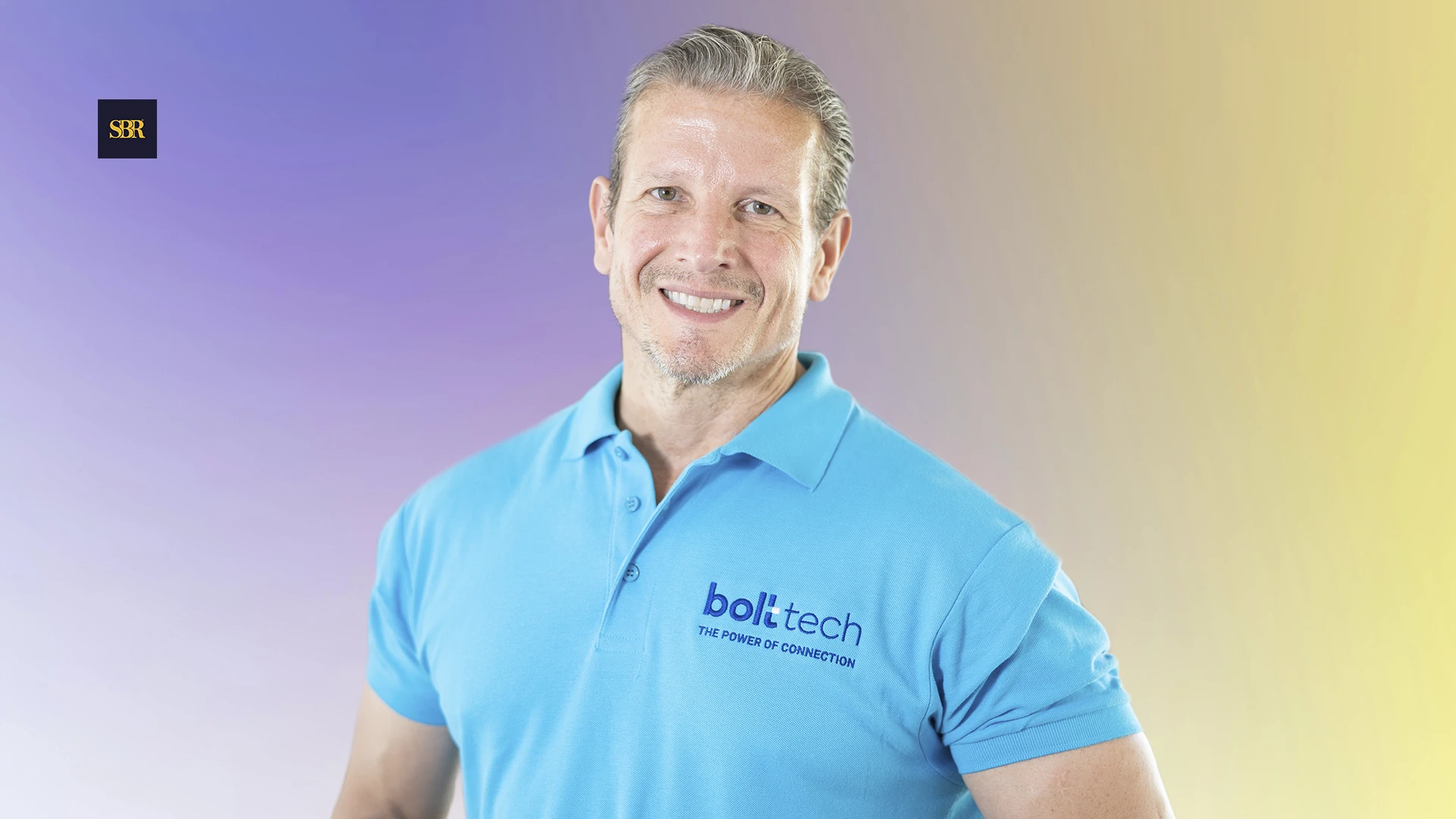
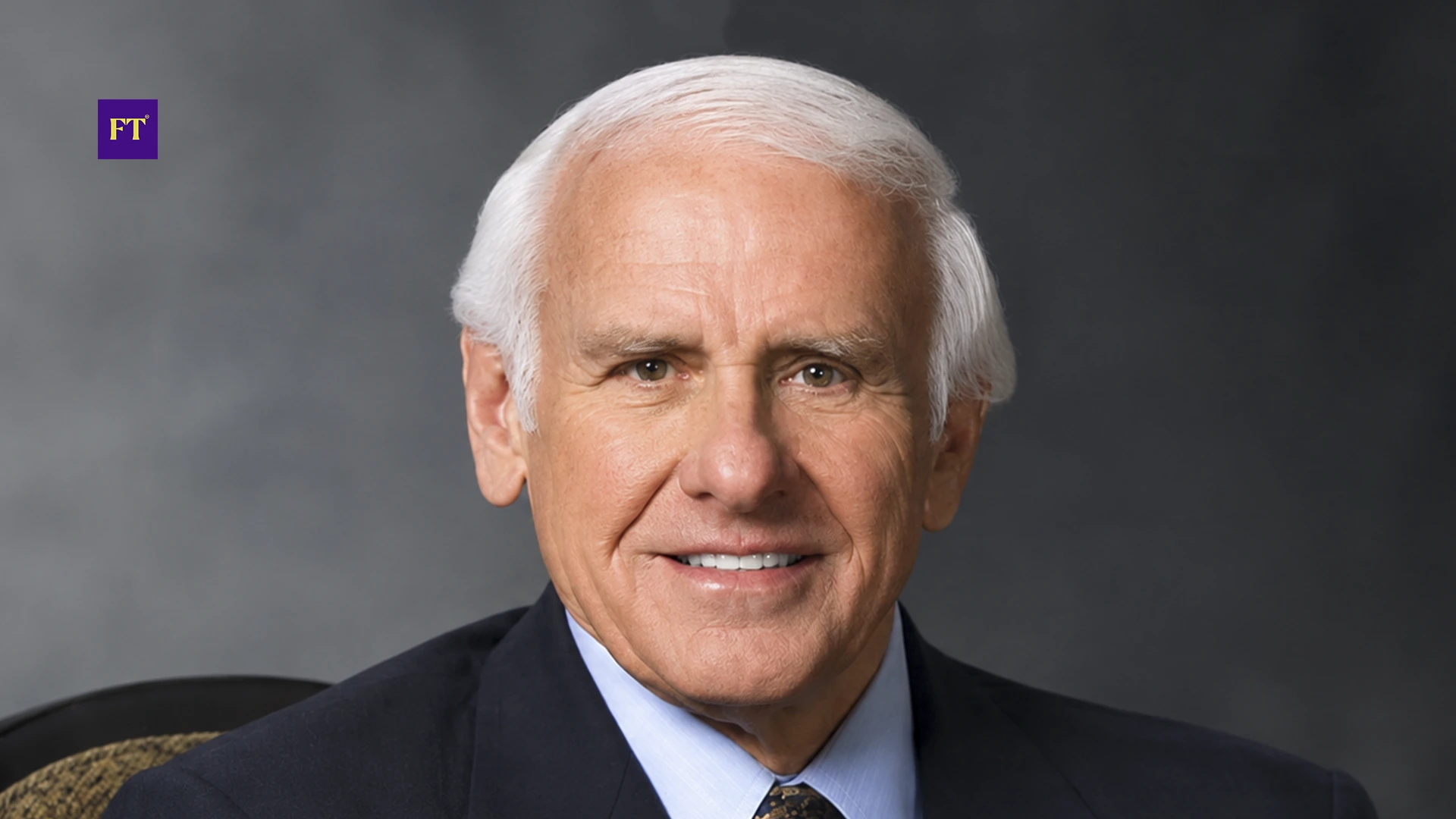
Richard Trieu Pham, CEO, Tiki