Synthesia is an artificial intelligence software company developing video generation systems for businesses, educators, media producers, and enterprise customers. The company was founded in 2017 by Victor Riparbelli, Steffen Tjerrild, Lourdes Agapito, Matthias Niessner, and Prof. Maja Pantic. The company develops software that allows users to create videos with AI-generated presenters, synthetic voices, translated narration, and automated production systems without traditional filming equipment or video crews.
Synthesia operates offices in London, New York, Copenhagen, Amsterdam, Zurich, and Munich. The platform became widely known for AI avatars capable of speaking scripted dialogue in multiple languages through synchronized lip movement and facial animation. Businesses use the software for training videos, onboarding programs, product demonstrations, customer support content, internal communication, compliance lessons, and marketing campaigns. Instead of recording presenters through cameras and studio equipment, users type scripts directly into the platform before selecting avatars, voice styles, languages, backgrounds, and visual layouts.
The company states that thousands of businesses now use the platform across technology, education, healthcare, finance, consulting, and retail sectors. Enterprise customers include global corporations searching for faster video production systems capable of producing multilingual content for workers and customers across different regions. Synthesia software also supports collaborative editing, template libraries, screen recording, subtitles, media uploads, and branded video layouts.
AI-generated video production gained major attention after businesses began searching for alternatives to expensive filming operations and lengthy editing workflows. Synthesia became one of the most recognizable companies connected to AI avatar videos and synthetic media production. Public discussion surrounding the company often focuses on how artificial intelligence may change corporate communication, employee training, online education, and digital content creation.
Avatar Technology Expands Video Production
Synthesia mainly focuses on AI avatars capable of presenting spoken content in realistic video form. Users can choose from a large library of digital presenters with different accents, languages, appearances, and speaking styles. The software synchronizes speech with facial movement and lip animation while generating presenter-led videos from typed scripts. Businesses use these avatars for instructional content, sales presentations, onboarding lessons, and customer communication.
The platform supports more than 140 languages and voice variations. Users can translate scripts into multiple languages while keeping the same video structure and avatar presentation. This feature became especially useful for multinational companies producing employee training material and customer education videos across several regions. Video localization through traditional filming often requires multiple presenters, production crews, recording sessions, translators, and editors. Synthesia reduces much of that production workload through AI-generated narration and multilingual avatar systems.
Synthesia also introduced personal avatar systems that allow users to create AI-generated versions of themselves after recording approved training footage. These digital avatars can later present scripts without requiring additional filming sessions. Businesses often use personal avatars for executive communication, training lessons, educational material, and company announcements. The platform also includes screen recording tools, slide-based editing systems, media libraries, automated subtitles, music selection, and branded templates for corporate video production.
Video templates became another major product category inside the platform. Users can select layouts designed for onboarding lessons, HR communication, product tutorials, sales pitches, compliance videos, and customer support presentations. Editing systems allow businesses to modify scenes, adjust narration, change backgrounds, insert media, and update scripts directly inside the browser. Many organizations use the software to produce large volumes of instructional content without relying on traditional production agencies.
Enterprise Demand Drives Business Growth
Demand for AI-generated business video systems expanded rapidly as remote work, digital learning, and online communication grew across global companies. Businesses began producing larger amounts of training content, onboarding lessons, customer tutorials, and internal announcements while searching for lower production costs and faster publishing schedules. Synthesia benefited from this demand as companies searched for browser-based video creation systems requiring limited technical experience.
Investor interest surrounding generative AI and synthetic media also expanded sharply. Synthesia secured funding from venture capital firms and technology investors supporting artificial intelligence software companies. The business later reached unicorn status after achieving a valuation above $1 billion. Investor backing reflected growing attention surrounding AI-generated media, enterprise automation software, and synthetic communication systems.
Enterprise software partnerships also became important for the company’s expansion. Synthesia integrated with workplace software, learning management systems, knowledge platforms, and business communication tools used by enterprise customers. Companies often use the platform for employee onboarding, cybersecurity lessons, policy explanations, software tutorials, and multilingual customer support videos distributed across internal systems.
The company also expanded product development around enterprise governance and AI safety policies. Public concerns surrounding deepfakes, misinformation, synthetic identity misuse, and unauthorized avatar creation created stronger scrutiny around AI video technology. Synthesia introduced verification procedures and content moderation policies tied to avatar creation and synthetic media production. Discussions surrounding AI-generated presenters frequently focus on ethical use, disclosure requirements, identity protection, and safeguards against misuse.
Businesses Debate AI Video and Synthetic Media
Public reaction surrounding Synthesia often reflects excitement mixed with concern. Many businesses describe AI-generated video systems as useful for employee training, onboarding programs, educational material, and multilingual communication. Companies producing large amounts of instructional content often value the ability to update scripts quickly without reshooting entire videos. Digital agencies and online educators also use the platform for tutorial production, explainer videos, and customer support libraries.
Some users describe the software as useful for reducing filming costs, shortening production timelines, and simplifying multilingual video creation. AI avatar systems also allow businesses to publish updated videos faster when products, regulations, or internal policies change. Companies operating across multiple countries often rely on translated AI-generated narration instead of recording separate presenters for each language version.
Critics, however, question visual realism, emotional delivery, and natural conversation quality in AI-generated presenters. Some viewers still describe avatar movement and facial animation as artificial compared with human presenters recorded on camera. Others express concern about the misuse of synthetic media, deepfake technology, identity cloning, and the risks of misinformation associated with AI-generated video systems.
Industry debate surrounding Synthesia and competing AI avatar platforms also reflects a wider discussion about automation in media production, corporate communication, customer service, and online education. Artificial intelligence video systems now compete with traditional production studios, freelance video creators, editing software companies, and corporate training providers. Despite growing competition, Synthesia remains one of the most recognizable companies connected to AI avatar generation and enterprise video automation software.
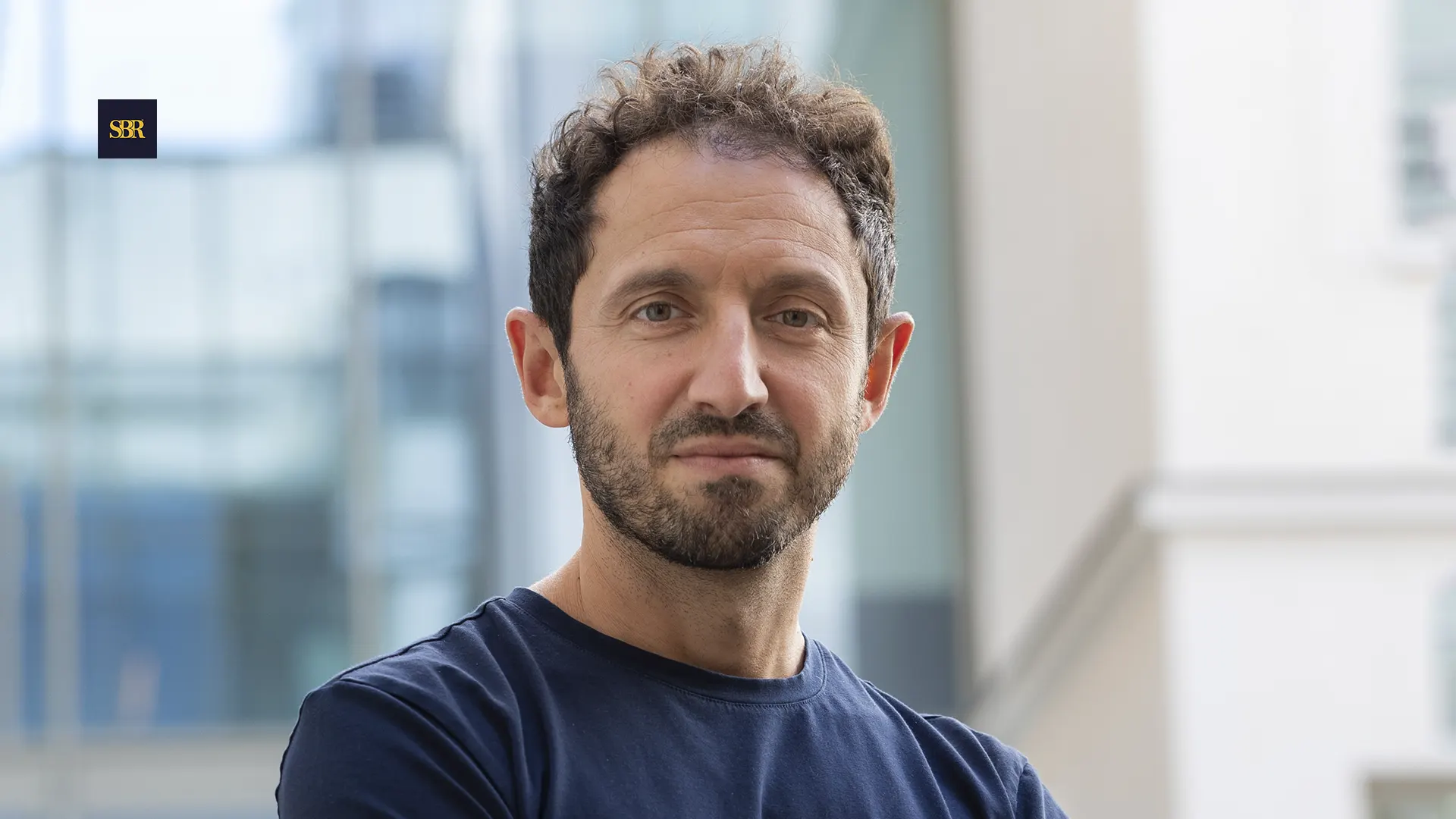
Victor Riparbelli, Co-Founder & CEO, Synthesia