The global arms industry, also known as the defense industry, involves the production, sale, and export of weapons, military technology, and defense-related services on a global scale.
The industry is considered lucrative for the following reasons:
Government Spending: Governments worldwide allocate significant budgets for defense and military purposes. The need to maintain national security, protect borders, and invest in defense technologies contributes to consistent and substantial spending on arms and military equipment.
Continuous Demand: The arms industry benefits from a constant and ongoing demand for military hardware, equipment, and technology. Geopolitical tensions, conflicts, and the need for military preparedness contribute to a consistent market for defense products.
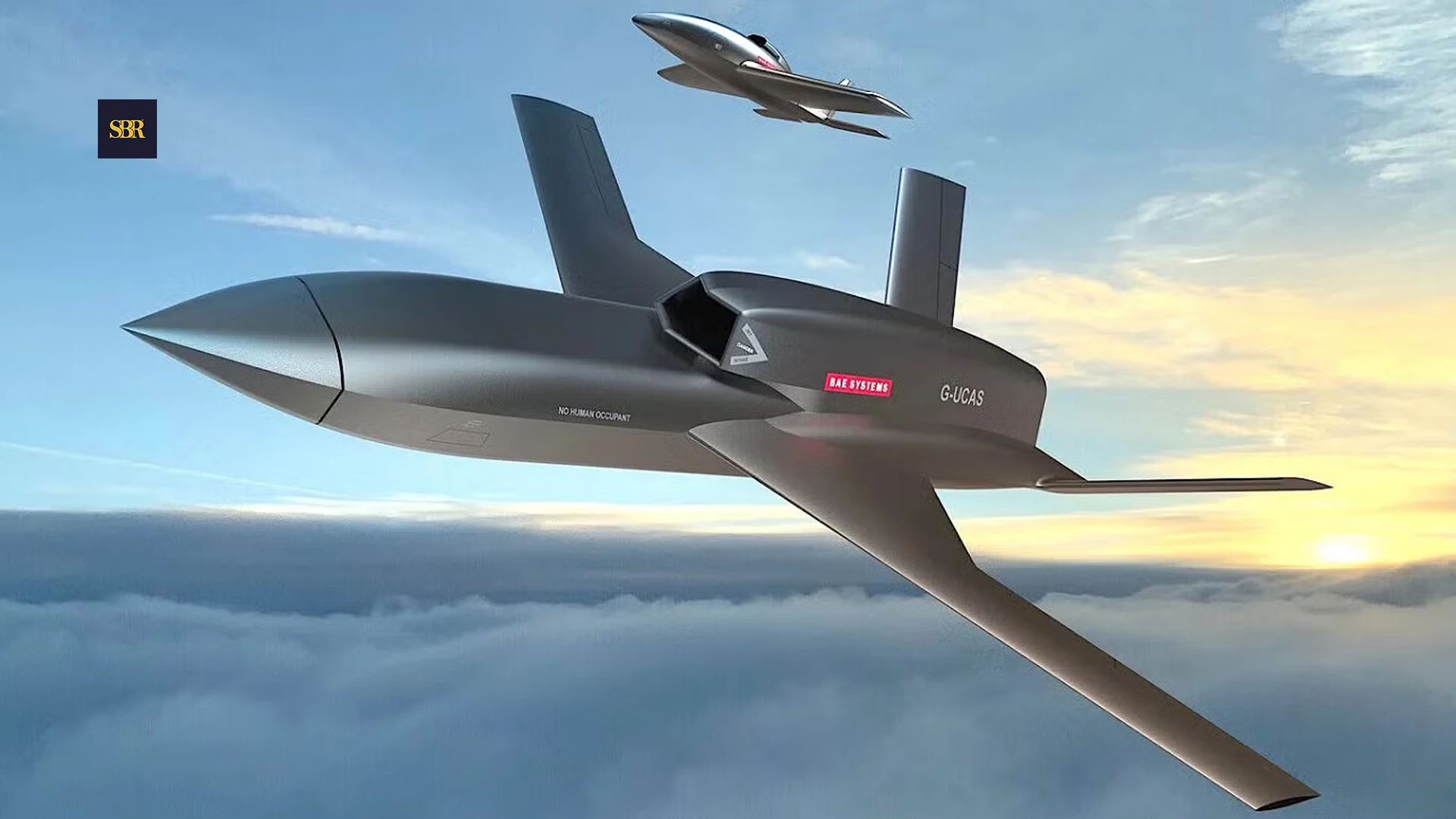
Technological Advancements: The arms industry often operates at the forefront of technological innovation. Governments and defense organizations seek cutting-edge technologies to maintain a strategic advantage, driving the development and acquisition of advanced military systems.
Research and Development Opportunities: Defense contracts often involve extensive research and development (R&D) activities. Companies in the arms industry can secure lucrative contracts for creating and improving military technologies, leading to advancements with both military and civilian applications.
Global Arms Trade: The arms industry engages in a global market, with countries buying and selling weapons and military equipment internationally. This global trade further expands the market and provides opportunities for companies to collaborate on cross-border defense projects.
Long-Term Contracts: Arms contracts are typically long-term commitments. Governments often enter into extended agreements with defense contractors, ensuring a stable revenue stream for the companies involved.
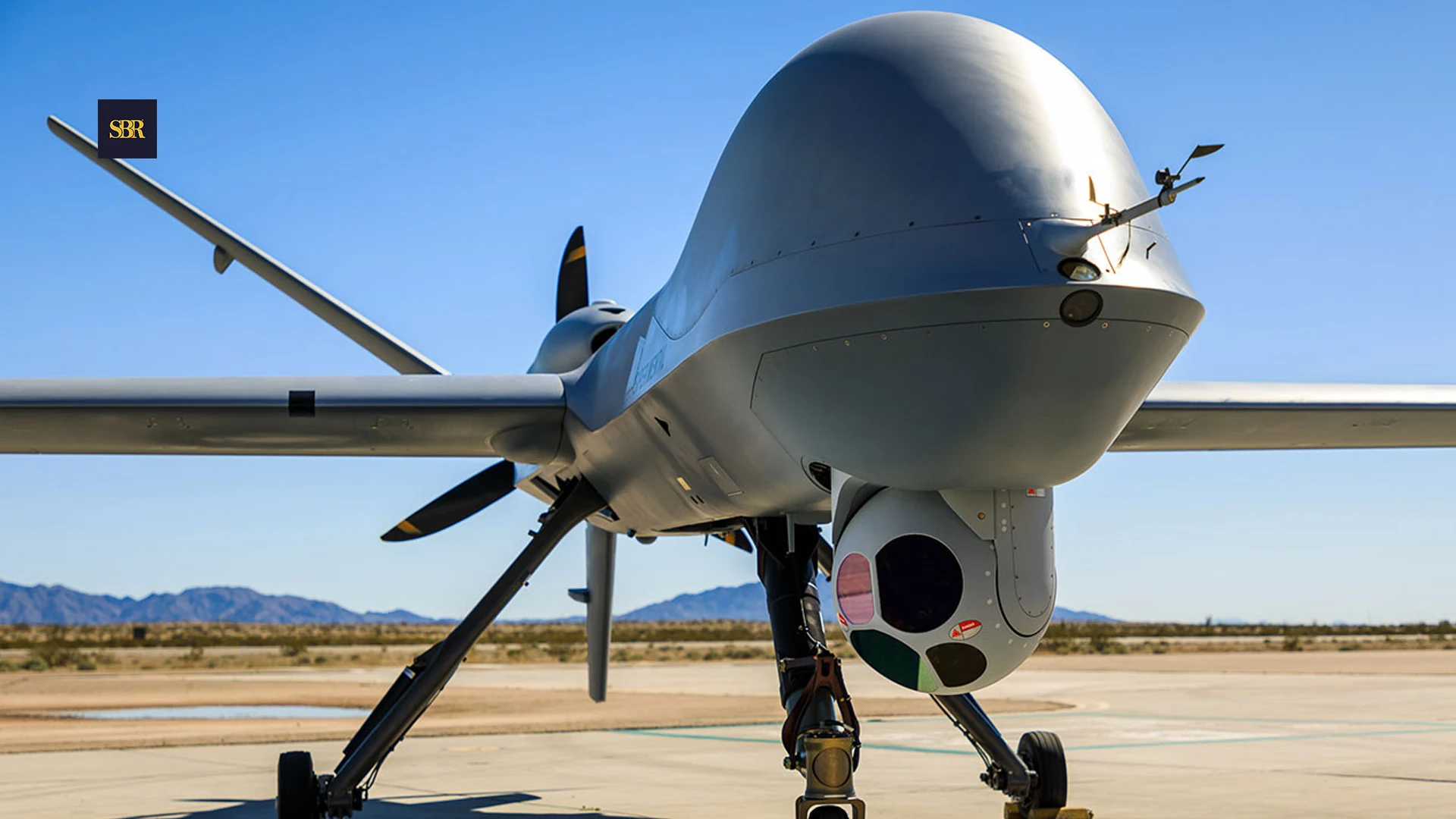
High-Value Transactions: Military equipment, especially high-tech systems such as aircraft, naval vessels, and advanced weaponry, involves high-value transactions. Each sale contributes significantly to the revenue of defense contractors.
Job Creation: The arms industry often plays a vital role in job creation, employing a large number of skilled workers, engineers, and researchers. This economic factor can make the industry attractive to governments, especially during times of economic downturns.
Political Influence: Defense contractors can have substantial political influence, particularly in countries where the arms industry is a major economic player. This influence can affect government policies, budgets, and procurement decisions.
While the arms industry has economic advantages, it is also a subject of ethical considerations and debates. Critics often raise concerns about the impact of the arms trade on global peace and stability, as well as the potential misuse of military technologies.












.webp)