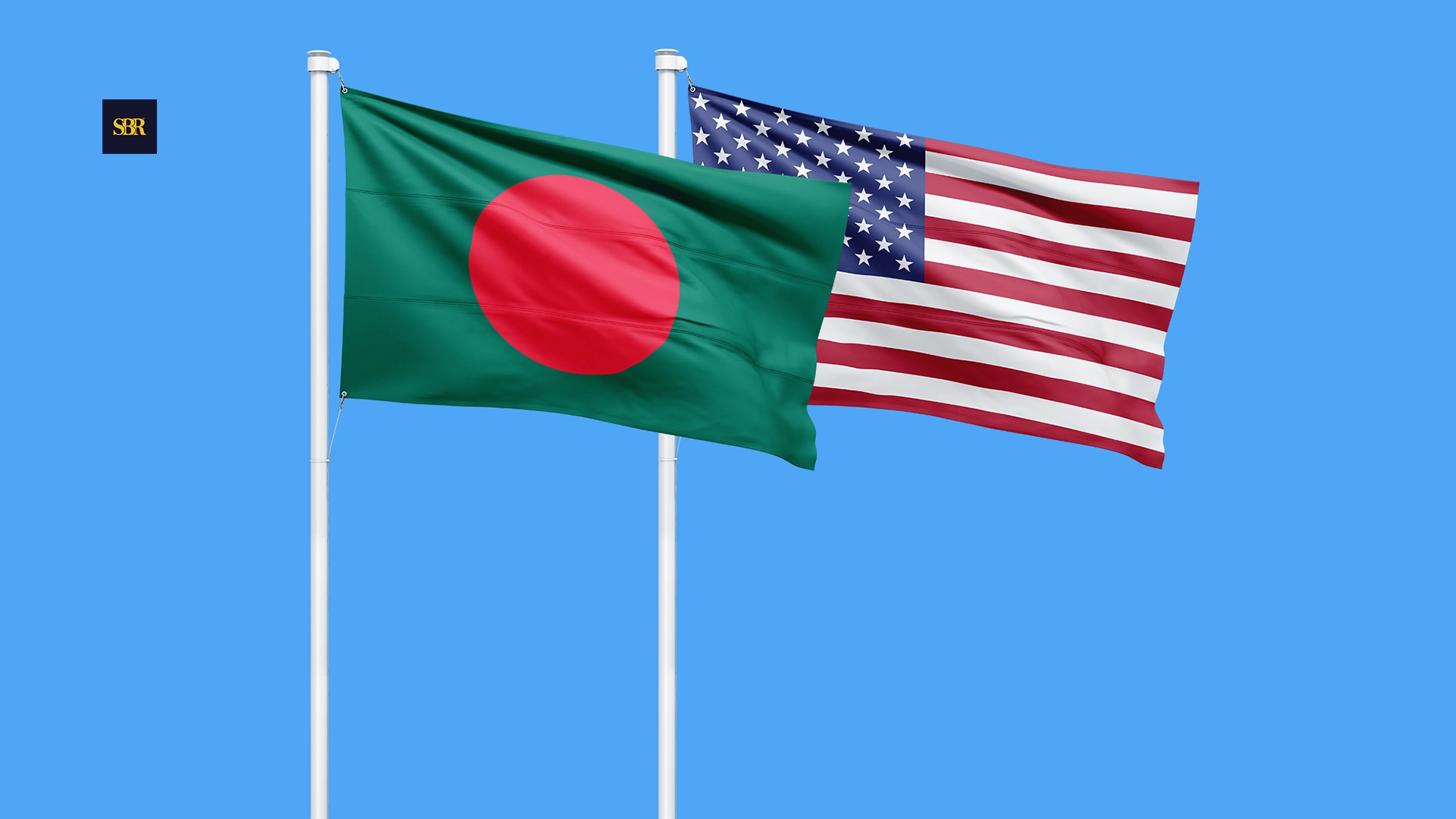
DHAKA/WASHINGTON, Feb. 11, 2026 — Bangladesh has reached an agreement with the United States that exempts certain apparel made in Bangladesh from U.S. tariffs. The exemption applies to products made with American cotton and man-made fiber. The deal, finalized after nine months of negotiations, allows these goods to enter the U.S. market without reciprocal tariffs and provides a boost to the country’s garment sector, which employs millions and accounts for a large share of export earnings.
The agreement also opens the U.S. market to a range of Bangladeshi industrial and agricultural goods. Chemicals, machinery, medical devices, motor vehicles and parts, soy products, dairy, beef, poultry, tree nuts and fruit will face fewer barriers. Bangladesh will follow U.S. vehicle safety and environmental standards, accept Food and Drug Administration certifications, and lift restrictions on certain imported goods, including remanufactured products.
Bangladesh to Buy U.S. Goods
Aircraft Procurement Plans: Biman Bangladesh Airlines is set to acquire at least 14 Boeing aircraft under the agreement, with options for additional planes in the future. Officials said these purchases will help modernize the airline’s fleet, improve connectivity, and support operational efficiency.
Energy and Military Purchases: Bangladesh has committed to buying an estimated $15 billion in U.S. energy products over 15 years. The agreement also covers certain U.S. military equipment while limiting purchases from specific other countries. Officials said these arrangements are intended to strengthen the country’s infrastructure and energy security.
Officials added that Bangladesh will maintain internationally recognized labor rights and strengthen environmental protections under the deal. Earlier tariff reductions in August 2025 had already lowered U.S. duties on Bangladeshi exports from 37 percent to 20 percent, providing vital relief to apparel exporters.
Regional Trade Context
Bangladesh’s tariff rate under the new deal is slightly higher than the 18 percent rate India secured for its exports, though India’s agreement still requires further negotiations. U.S. Trade Representative Jamieson Greer called Bangladesh the first South Asian country to complete a reciprocal trade deal with the United States. The pact is seen as a key step toward reducing trade barriers and creating new opportunities for American exporters.
The readymade garment sector drives Bangladesh’s economy, contributing roughly 10 percent of GDP, employing about four million workers, and accounting for more than 80 percent of total export earnings. Analysts said the trade agreement could help stabilize the sector while strengthening economic ties with the United States.
Tariff Reductions and Market Access
The agreement calls for gradual reductions in high tariffs on agricultural and food products. Duties on poultry, pork, seafood, rice, corn and cereal grains will fall to zero when the pact takes effect. Other tariffs will be halved initially and eliminated over five to ten years depending on the product, with almonds dropping from 53.6 percent to zero over a decade.
Observers noted that the interim government’s trade negotiations have created a framework that could encourage investment and maintain momentum in the export economy as the country heads toward elections.
Outlook for U.S.-Bangladesh Trade
The agreement is expected to expand bilateral trade and provide predictability for exporters in apparel, agriculture, and industrial goods. Both countries have agreed to reduce trade barriers and address regulatory differences, creating a foundation for expanded commercial engagement.
Analysts said the pact could serve as a model for other South Asian nations seeking preferential access to the U.S. market while supporting Bangladesh’s goal of strengthening economic ties with global partners. By linking tariff exemptions to labor and environmental standards, the deal reflects broader trade trends that balance economic and regulatory considerations.
The agreement marks a milestone in U.S.-Bangladesh relations, offering relief for apparel exporters and opening opportunities for U.S. manufacturers. As both countries implement the pact, stakeholders will monitor the flow of goods, compliance with standards, and the broader economic benefits of the arrangement.
U.S. Trade Representative Jamieson Greer called Bangladesh the first South Asian country to complete a reciprocal trade deal with the United States.






.webp)