BEIJING, Jan. 23, 2026 — China’s imports of liquefied natural gas fell 15 percent in 2025 to 66.6 million metric tons, marking the lowest annual total since 2022. The drop reflected a slowdown in industrial activity during a period of softer manufacturing growth. Despite lower imports, gas-fired electricity production rose 5 percent to a record level, though natural gas accounted for just 2.8 percent of the total electricity network. Imports of thermal coal also fell by 11 percent to around 308 million tons as the country reduced coal use in electricity generation and sought to balance domestic mining output. Metallurgical coal shipments declined 24 percent, largely due to weak construction sector demand, while coke used in blast furnaces increased 45 percent as domestic steel production fell to seven-year lows. Analysts expect that demand for construction-related materials will remain modest until activity in the property sector rebounds.
Clean Electricity Expands
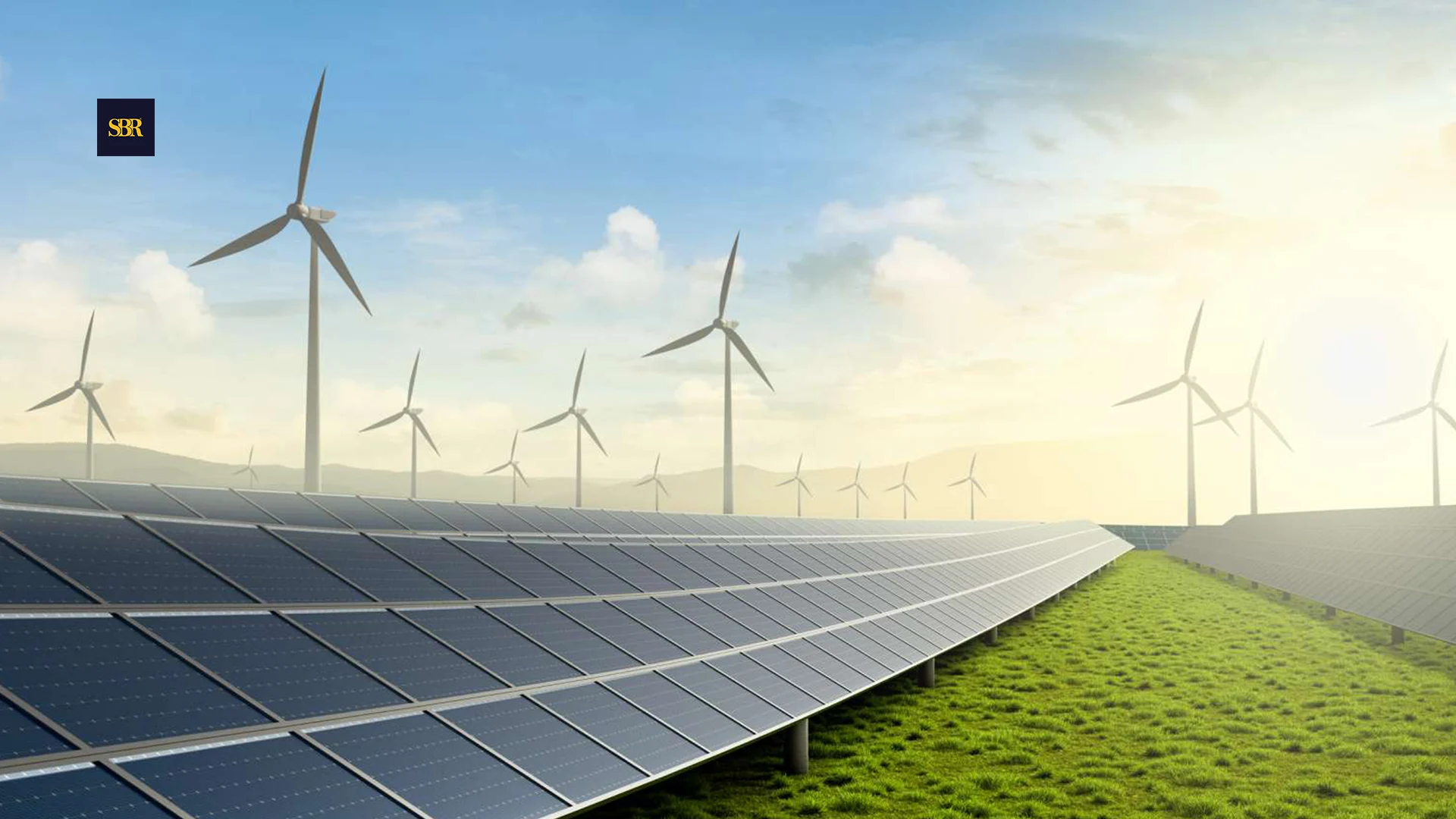
Domestic production of clean electricity climbed 15.4 percent in 2025 to 4,326 terawatt hours, supported by a 43 percent rise in solar generation and 14 percent growth in wind power. Total electricity output reached a record 10,421 terawatt hours, marking the seventh consecutive year with annual growth above 4 percent. Utilities were able to cut back on coal-fired generation while maintaining overall electricity supply. This outcome was supported by continued deployment of solar panels, wind turbines, and battery storage systems across the country. Together, these developments increased the share of renewable energy in China’s electricity mix and reflected the broader trend of integrating low-emission power sources into the grid.

Clean Energy Exports Hit Records
Strong Overseas Demand for Energy Equipment: China’s exports of clean energy technology reached record levels in 2025 as overseas demand remained firm across multiple regions. Shipments of solar panels, wind turbines, and energy storage systems stayed elevated throughout the year, even as domestic industrial activity showed signs of softness. Buyers in Europe, Southeast Asia, and the Middle East continued to expand renewable power capacity, supporting sustained orders for Chinese-made equipment. The export performance underscored China’s role as a major supplier of clean energy hardware to international markets during the year.
Technology Shipments Offset Slower Domestic Activity: High export volumes helped offset weaker conditions at home, where manufacturing and construction activity moderated. Clean energy equipment shipments provided support to factory output and trade flows as producers redirected capacity toward overseas markets. Solar panel exports remained significant despite price pressure and competition, while wind and energy storage products added to overall export value. The data showed that foreign demand for renewable energy infrastructure remained a key outlet for China’s clean technology sector in 2025.
Oil Imports and Energy Dynamics
While coal and LNG imports declined, crude oil shipments into China edged higher in 2025. This reflected both industrial consumption and strategic stockpiling aimed at strengthening reserves amid international market volatility. Domestic power and industrial companies adjusted electricity generation to account for variations in fuel availability while ensuring overall supply remained stable. The modest rise in crude oil imports provided a buffer against market fluctuations and helped maintain steady industrial and power operations.
Outlook For 2026
As China enters 2026, the country carries forward record electricity production and high clean energy technology exports, alongside lower reliance on imported coal and LNG. Analysts anticipate continued expansion of solar, wind, and battery storage deployment, which could further lift domestic electricity output in the coming year. Combined with sustained international demand for clean energy technologies, these developments are expected to shape China’s energy sector, reinforce its position in global energy supply chains, and influence markets worldwide.
Clean energy equipment shipments provided support to factory output and trade flows as producers redirected capacity toward overseas markets. Solar panel exports remained significant despite price pressure and competition, while wind and energy storage products added to overall export value.
















.webp)