ABU DHABI, UAE, March 10, 2026 — A drone strike caused a fire at an industrial site in Abu Dhabi that houses operations linked to the Abu Dhabi National Oil Company, or ADNOC. The site lies within the Ruwais Industrial Complex, one of the United Arab Emirates’ most important energy centers. Authorities said emergency crews moved quickly to contain the blaze while officials assessed conditions across the industrial zone.
Officials confirmed that a drone caused the fire inside the complex. They did not disclose which facility within the area was struck, though firefighters responded rapidly and prevented the flames from spreading further. Authorities also said no injuries were reported during the incident.
The Ruwais Industrial Complex lies along the coast west of Abu Dhabi and serves as a major hub for oil refining and petrochemical activity in the country. Several energy installations operate within the zone, alongside chemical plants, fertilizer facilities, and industrial gas operations tied to the UAE’s wider oil and gas network.
Precautionary Halt at Ruwais Refinery
ADNOC halted operations at the Ruwais refinery as a precaution following the fire at the industrial complex, Reuters reported, citing a source familiar with the matter. Temporary shutdowns often follow fires or security incidents at large energy facilities, allowing engineers to inspect pipelines, processing units, and storage infrastructure. These checks help ensure that equipment remains safe before production resumes.
The Ruwais refinery ranks among the largest refining facilities in the world, processing roughly 922,000 barrels of crude oil per day and producing fuels and petrochemical feedstocks for global markets. Because of its scale and importance within the UAE’s energy sector, even precautionary halts draw attention from oil traders and industry observers. Interruptions at major refining centers can affect fuel output while operators review infrastructure conditions after an incident.

Ruwais Complex Anchors UAE Energy Operations
The Ruwais industrial zone stands as one of the most important downstream energy locations in the United Arab Emirates. Located about 240 kilometers west of Abu Dhabi city, the complex links refining, petrochemical production, and industrial manufacturing within a single integrated area.
Facilities within the complex process crude oil produced across the country and convert it into gasoline, diesel, jet fuel, and other petroleum products. Petrochemical plants located nearby also manufacture materials used in sectors such as plastics production and fertilizer manufacturing.
During the past decade ADNOC expanded the Ruwais industrial area to support large petrochemical developments and greater refining capacity. These projects allow the country to process larger volumes of crude oil domestically while producing a broader range of petroleum-based products.
Because numerous installations operate within the same industrial zone, incidents affecting one section of the complex can lead operators to suspend nearby activities while authorities examine safety conditions. Industrial clusters of this scale often follow strict procedures whenever fires or security incidents occur.
Regional Tensions Raise Security Concerns
The drone strike occurred during a period of heightened tensions across the Middle East. Security incidents linked to regional conflict have drawn attention to the vulnerability of large energy installations, particularly those tied to oil and gas production.
Energy facilities in the Gulf remain closely monitored because of their importance to global oil markets. Refineries, export terminals, and processing hubs convert crude oil into fuels used worldwide and form essential links in international energy trade.
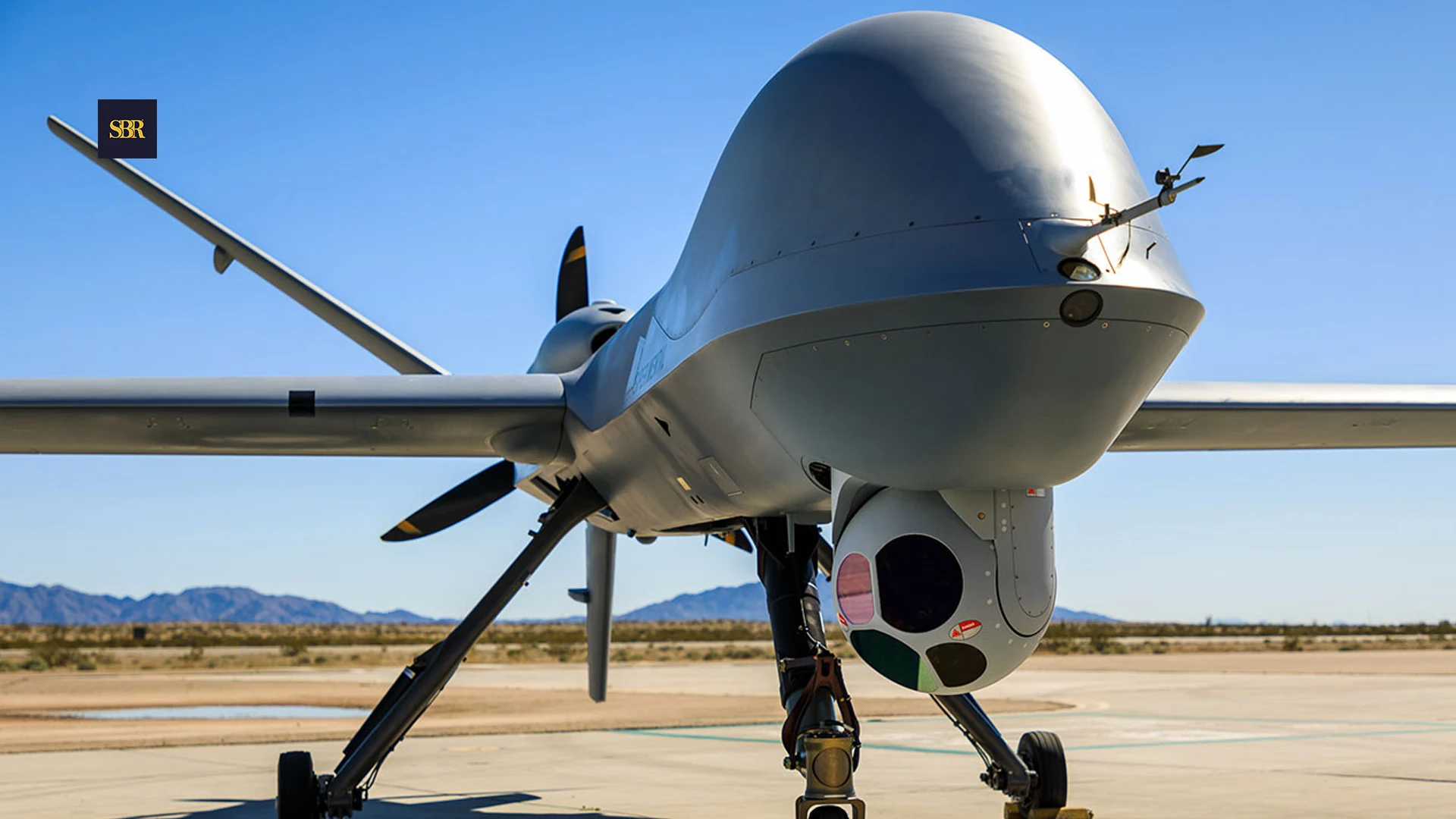
Unmanned aerial vehicles have appeared more frequently in attacks on infrastructure during recent conflicts. These devices can reach distant targets and trigger fires or operational interruptions even when structural damage remains limited. Energy companies often halt operations temporarily after such incidents while inspections take place.
Authorities in Abu Dhabi have not yet released detailed information about the extent of damage within the Ruwais industrial zone. Engineers and emergency crews continue assessing the site while security officials examine the circumstances surrounding the drone strike. As inspections continue, energy markets and industry observers will monitor developments while awaiting further updates from the region.
The Ruwais industrial zone stands as one of the most important downstream energy locations in the United Arab Emirates. Located about 240 kilometers west of Abu Dhabi city, the complex links refining, petrochemical production, and industrial manufacturing within a single integrated area.















.webp)