DETROIT, Sept. 19, 2025 — In a resilient economy, small and medium sized business enterprises are an important pillar for industrial growth. From the automotive hub in Detroit to the largest end-use market of luxury cars in New Jersey, there is a story of emergence of SMEs, which has traditionally withstood the test of time during economic uncertainties.
The Lehman Brothers meltdown in 2008-09 was a litmus test for the automotive SME sector, which, despite its shocks, survived to contribute majorly towards the US economy. From the trend of budget-friendly cars to the present revolution of Electric Vehicles, or EVs, SME auto and auto ancillary units have always found creative ways for self-sustenance. The aftermarket suppliers and automotive components segments have also scripted a self-reliant success story in the US.
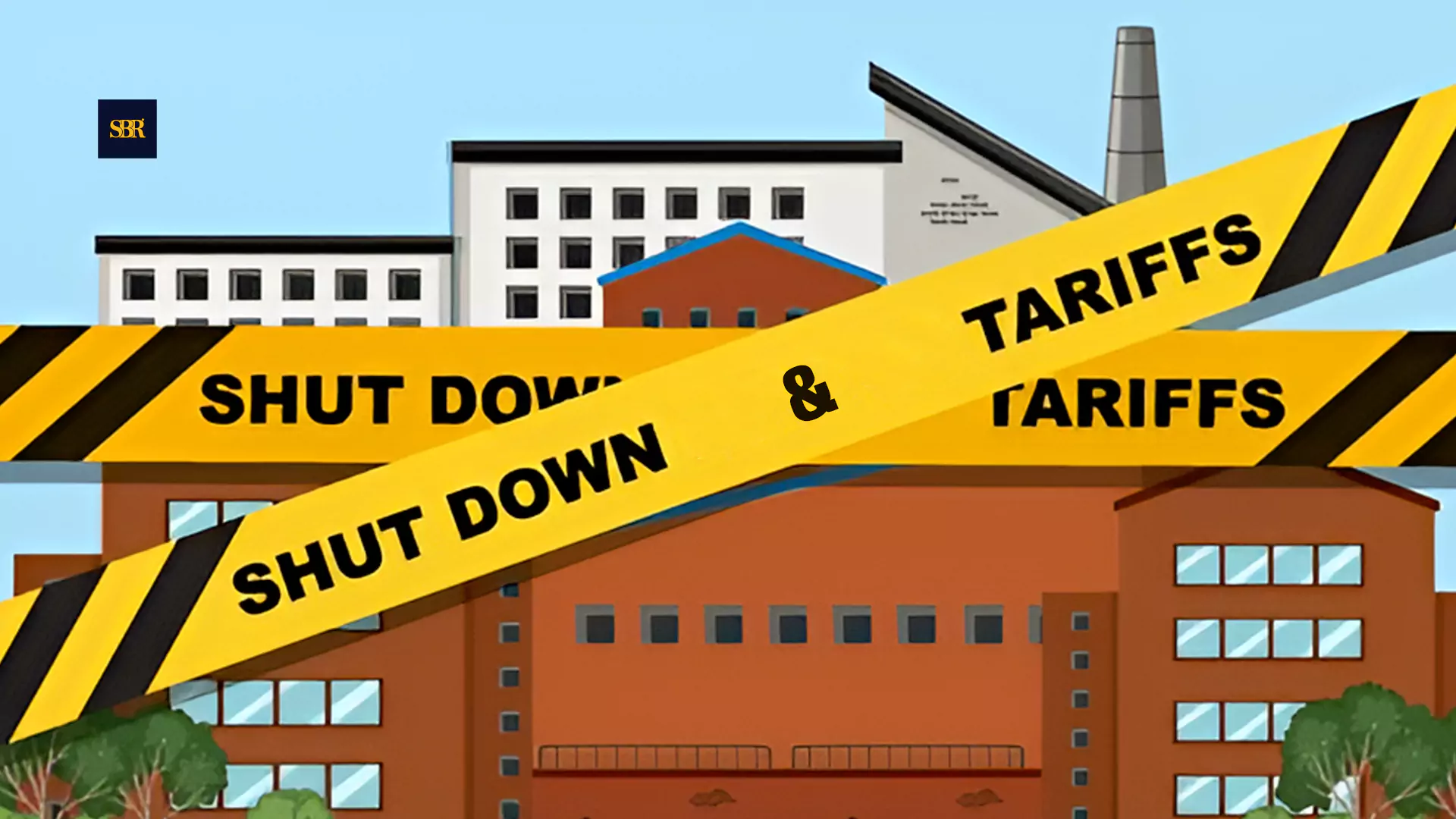
With the tariffs and trade wars looming on the US economy, these industry players need to be well incentivized, which could boost their competitiveness.
Notably, there is no full-fledged automobile manufacturing sector in Mexico and Canada, but the U.S. vehicle manufacturers have always relied on labor from their neighbors to the north and south since the early days of auto production in North America.
What Made the US Auto Industry Competitive?
The resilience of the automobile sector goes back to the 1970s, when the skyrocketing gas prices paved the way for America’s car users to embrace smaller and more fuel-efficient Japanese vehicles.
The switching over of vehicles led by consumer demand was not the only takeaway of this trend. An important watershed moment was when the Japanese auto manufacturers introduced lean manufacturing. This new approach to large-scale manufacturing of vehicles transformed the supply chain with ‘just-in-time’ production, which freed up working capital to be efficiently redeployed.
The automotive sector in the US was not prompt to respond to the Japanese foray.
However, they learned from this changing landscape, evolved, and came back even stronger.
Several decades later, the global supply chain has been reshaped again, and international competitors manufacture new car models within tight deadlines and in large numbers that dwarf that historical example.

How SMEs in Auto Sector Play a Key Role
Post-pandemic Recovery: In recent memory, SMEs bore the brunt during the Covid-19 pandemic, as the body blow saw average revenues fall by over 40 per cent in the first three months following the declaration of a national emergency on March 13, 2020, consistent with other studies reporting steep declines in small business employment.
As the restrictions imposed by the government saw some respite, output was ramped up in the second half of 2020, led by the automobile sector, according to U.S. labor data. The recovery gained momentum in the following years amid vaccine rollouts and rising economic demand.
Small but Giant Steps: In May this year, the Specialty Equipment Market Association, or SEMA, and MEMA Aftermarket Suppliers (MEMA) collaborated to host leaders from the private sector for a symposium to address the growing challenges associated with Advanced Driver Assistance Systems (ADAS) calibrations.
Heightened federal regulatory focus on mobility issues and vehicle safety, and fast-changing vehicle technology, are moving the aftermarket industry to enhance its ability to service vehicles.
The chorus for automotive aftermarket service, parts, tools, and equipment providers grew louder at the SEMA and MEMA event.
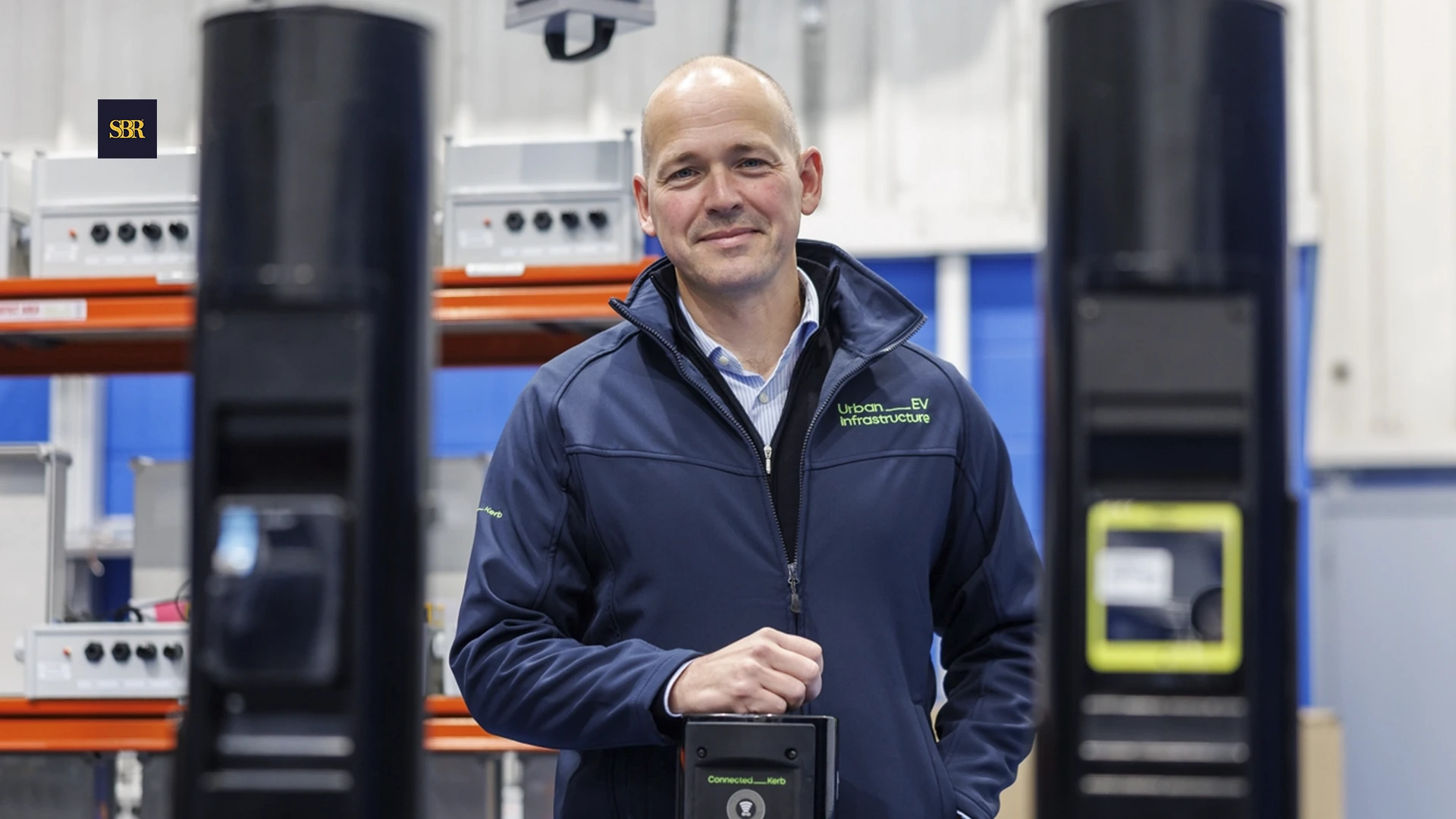
Future of EVs: Automotive companies are keen to manufacture EVs, as it takes fewer hours of labor to produce an EV than it does a gasoline-powered car, with its complicated engine and transmission, making them potentially more profitable for automakers than traditional gasoline-powered cars.
There could be a renewed demand for EVs in case the cost of producing EVs, especially the batteries that make up a large part of the cost of electric vehicles, continues to drop. There have been announcements from every automaker to launch new EVs with a less costly battery technology.
The regulations that had been in place under the Biden administration were “putting us in a box that would have ultimately resulted in a significantly smaller US auto industry, because we wouldn’t have been permitted to sell the internal combustion vehicles at anywhere near the volume we would have sold them,” GM CFO Jacobson said at GM’s investors presentation earlier this year.
Every automaker has announced plans to launch new EVs featuring more affordable battery technology.