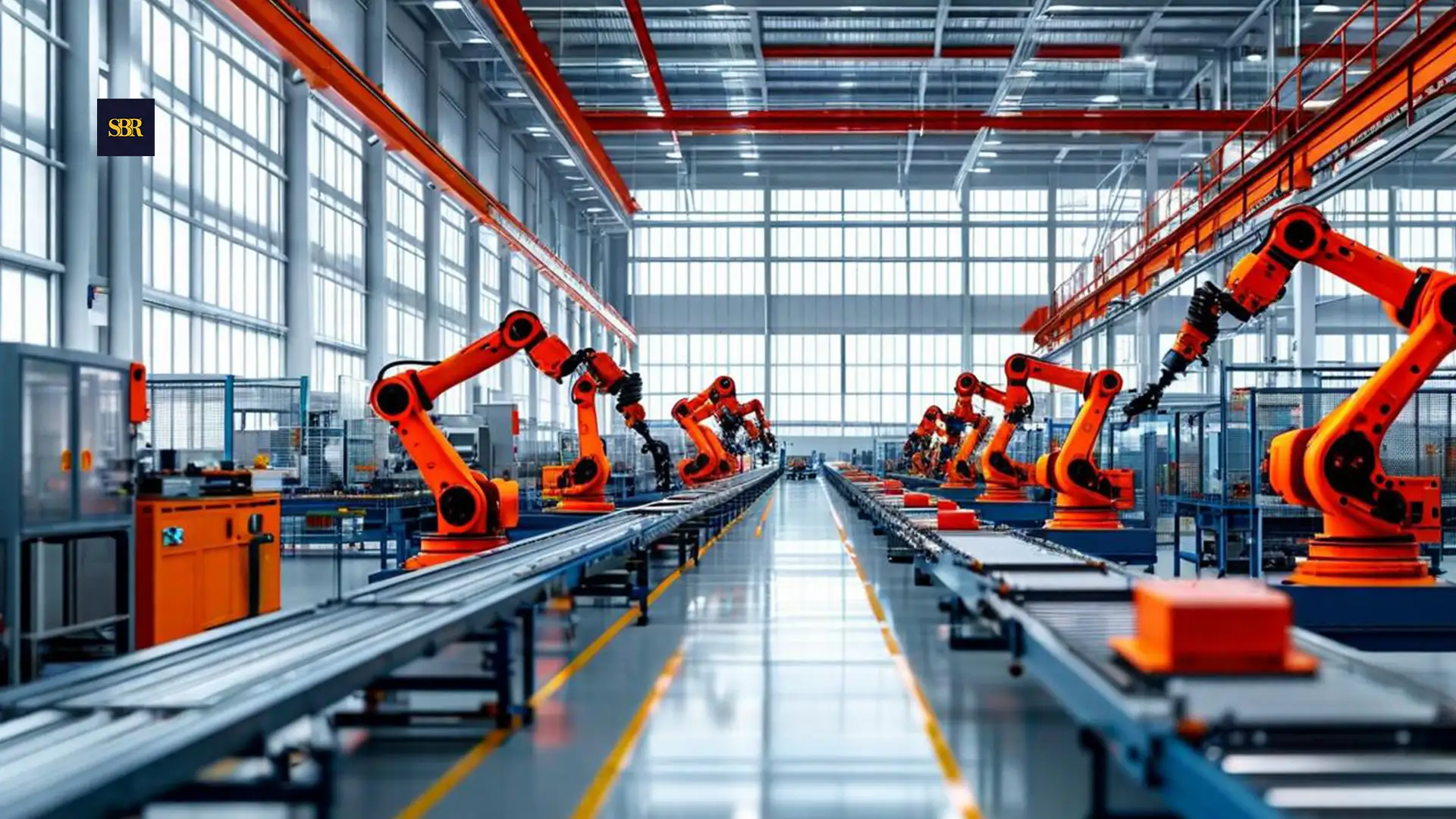
GQEBERHA, South Africa, Jan. 23, 2026 — Nissan Motor Co. will sell its vehicle assembly plant in South Africa to China’s Chery Automobile Co., marking a significant shift for one of Japan’s longest established automotive players on the African continent. The transaction, announced Thursday, is expected to close in 2026, subject to regulatory approvals and customary conditions, according to people familiar with the matter.
The plant is located in Gqeberha, formerly known as Port Elizabeth, and has served as Nissan’s main manufacturing base in South Africa for more than half a century. The site has produced passenger vehicles and light commercial models for both domestic sale and export across sub-Saharan Africa, linking the Japanese automaker to regional supply chains and government incentive programs.
Chery plans to take ownership of the facility and convert it into a production hub for its own vehicles, Reuters reported. The Chinese automaker has expanded rapidly beyond its home market over the past decade, using a mix of exports, local assembly, and partnerships to build a presence in Latin America, Southeast Asia, the Middle East, and Africa.
Nissan Pares Back Global Manufacturing
For Nissan, the sale reflects a broader effort to rationalize global manufacturing and align output with demand. The company has struggled with uneven sales performance across regions while facing higher costs tied to electrification, software development, and compliance with emissions standards.
Executives have said Nissan will retain a commercial presence in South Africa after the sale, continuing to sell and service vehicles through its dealer network. Vehicle imports will replace local assembly once the plant changes hands, allowing the company to maintain market access without carrying the fixed costs of operating a factory.
The Gqeberha plant has operated below capacity for several years, according to industry analysts, as regional demand failed to justify earlier production volumes. Export programs have narrowed, and competition from lower cost Asian manufacturers has reshaped pricing dynamics across African markets.
Nissan’s leadership has emphasized discipline in capital allocation as the company works through a multiyear recovery plan. Divesting underutilized assets has formed part of that process, alongside cuts to model lineups and consolidation of production in fewer locations worldwide.

Chery’s African Ambitions Deepen
Chery’s decision to acquire Nissan’s South Africa plant signals a shift from a sales led presence toward embedded manufacturing on the continent. The Chinese automaker has built visibility in South Africa through imported models, particularly in the sport utility segment, but ownership of a production facility marks a more durable commitment. Local assembly allows Chery to participate directly in the country’s automotive ecosystem while reducing reliance on long haul imports.
Local Production Replaces an Import Only Model: Control of an established plant gives Chery the ability to assemble vehicles closer to end markets, aligning output with regional demand patterns. South Africa’s supplier base, logistics links, and policy framework favor manufacturers that invest locally, creating a foundation for sustained operations. Assembly inside the country also allows greater flexibility around tariffs, shipping timelines, and model mix.
The move mirrors steps taken by other Chinese automakers that have shifted from pure distribution to localized production as volumes grow. For Chery, the transition shortens the distance between factory and customer while anchoring the brand more firmly in its largest African market.
South Africa Becomes a Gateway to the Region: Beyond domestic sales, the Gqeberha facility offers access to export routes across sub-Saharan Africa. South Africa’s port infrastructure and trade agreements position it as a regional manufacturing hub, allowing vehicles assembled locally to reach neighboring markets more efficiently. That structure supports scale without requiring multiple factories across the continent.
As established global automakers scale back some African operations, Chinese manufacturers have moved into available industrial capacity. Chery’s acquisition fits within that pattern, using existing infrastructure to establish a regional foothold while signaling long term intent in African manufacturing rather than short term market participation.
Implications for Workers and Policy
The future of the plant’s workforce remains a sensitive issue. Nissan has said it will work with unions, government authorities, and Chery to manage the transition. Employment outcomes will depend on production timelines, model selection, and the pace at which Chery ramps up operations.
South African officials have long viewed the auto sector as a pillar of industrial policy, supporting tens of thousands of jobs directly and indirectly. Any ownership change at a major facility draws scrutiny from labor groups and policymakers, particularly amid concerns about manufacturing employment.
Analysts note that a transfer to an active producer is generally viewed more favorably than outright closure. Continued use of the plant would preserve industrial capacity while aligning it with a manufacturer that sees room for growth in the region.
For Nissan, the transaction underscores how legacy automakers are rethinking where they build vehicles as global demand fragments and competition intensifies. For Chery, the deal signals intent to embed itself more deeply in African manufacturing rather than relying solely on imports.
As the handover moves toward completion, the Gqeberha plant stands as a symbol of shifting power within the global auto industry. Japanese manufacturers once dominated emerging markets through local factories and export hubs. Chinese brands now see those same assets as gateways to the next phase of international expansion.
For Nissan, the sale reflects a broader effort to rationalize global manufacturing and align output with demand. The company has struggled with uneven sales performance across regions while facing higher costs tied to electrification, software development, and compliance with emissions standards.






.webp)