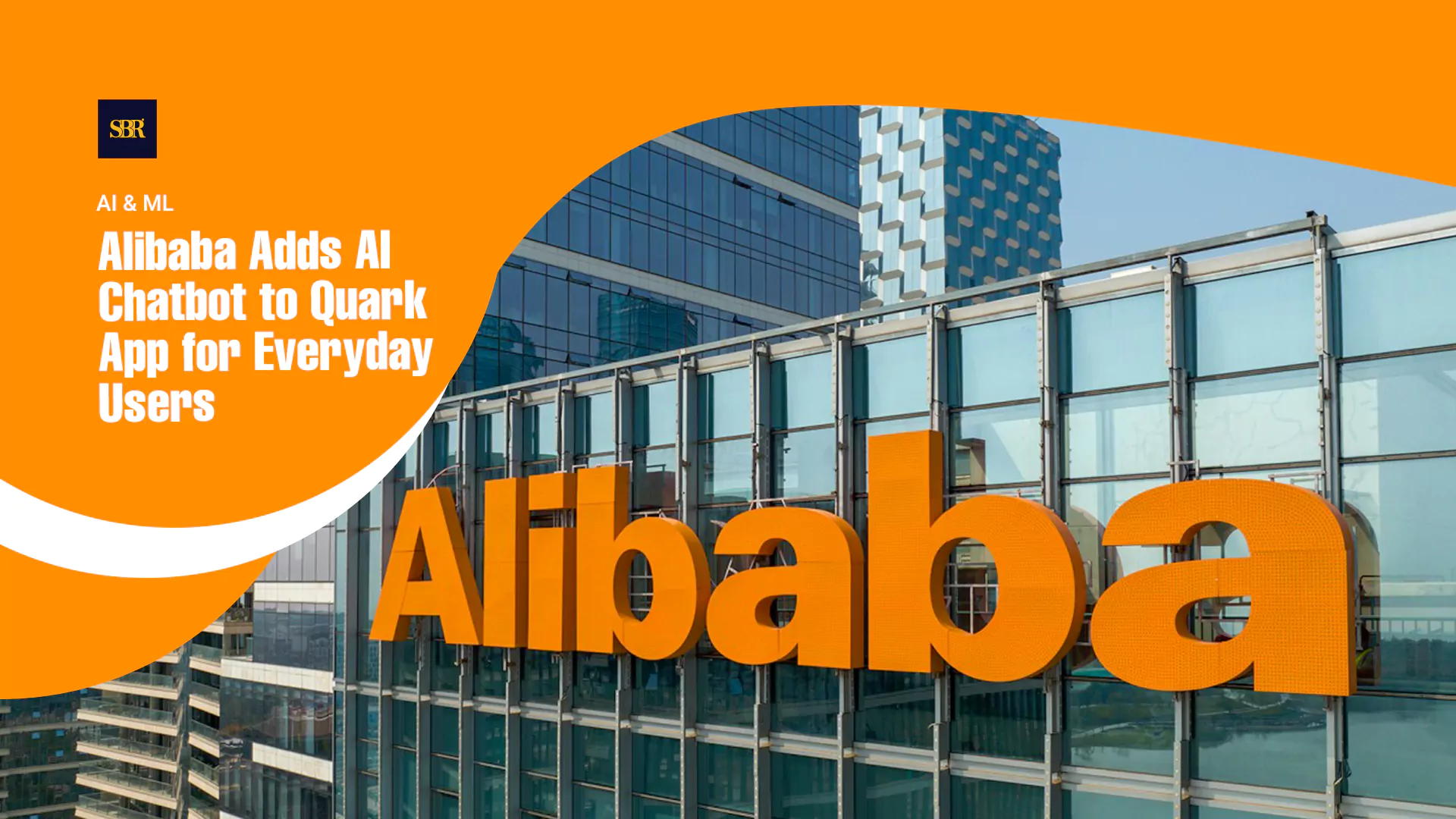
CAUSEWAY BAY, Hong Kong, Nov. 17, 2025 — Alibaba has introduced a new AI chatbot in its Quark app, turning the platform from a basic browser into a consumer-focused hub for intelligent interactions. Users can engage with the chatbot through text or voice, ask questions, explore content, or seek recommendations. Powered by Alibaba’s Qwen3 language models, the chatbot understands context, reasons through queries, and responds in a conversational manner. By embedding AI directly into Quark, Alibaba makes every day digital interactions simpler and more intuitive for users across China.
Learning From Past Efforts
This is not Alibaba’s first attempt at a consumer-facing AI assistant. Its previous effort, Tongyi, failed to gain significant traction, reaching just under seven million monthly users as of September 2025. By embedding the new chatbot into Quark, the company hopes to reach a wider audience and create a more seamless experience. Analysts see the move as an effort to close the gap with rivals like ByteDance and Tencent, whose AI chat products have already attracted millions of users. Unlike Tongyi, the Quark chatbot is free to use and designed to work across a broad set of everyday tasks, from answering questions to summarizing content.
What Consumers Can Expect n: The addition of AI to Quark changes the way users interact with the app. Instead of simply browsing or searching, they now have a conversational interface that combines intelligent search with interactive responses. The system is designed to understand user intent, provide contextual answers, and offer recommendations tailored to individual needs. Users can ask questions in natural language, request summaries, or even explore topics in depth, with the AI guiding the interaction. With both search and conversational features, Quark becomes more than a browser or an app; it acts as a personal digital assistant in real time.
Beyond the Chatbot
 Alibaba is not stopping with the chatbot. The company recently announced Quark AI Glasses, a wearable device that will go on pre-sale on Tmall in November, with shipments expected in December. Priced at 4,699 yuan, roughly $660, the glasses are designed to extend the AI experience beyond the app, offering users hands-free interaction and real-time information. The broader strategy is to integrate AI across Alibaba’s ecosystem, creating a connected environment where consumers can interact with products, services, and content through conversational AI. The company sees this as an opportunity to reestablish its presence in the consumer AI space and compete more effectively with established rivals.
With Quark’s new AI capabilities, Alibaba is attempting to provide users with a platform that combines convenience, intelligence, and accessibility. The move signals a more aggressive approach to consumer AI, leveraging advanced language models to create a more engaging, responsive experience. As competition intensifies, success will depend on how well the app balances usability, accuracy, and the breadth of tasks the AI can handle. For now, Quark’s upgraded chatbot represents a clear step in Alibaba’s ongoing efforts to embed artificial intelligence into everyday digital life.
Quark now offers conversational AI alongside intelligent search, giving users a seamless way to get answers, explore content, and view personalized recommendations.
Inputs from Diana Chou
Editing by David Ryder












.webp)