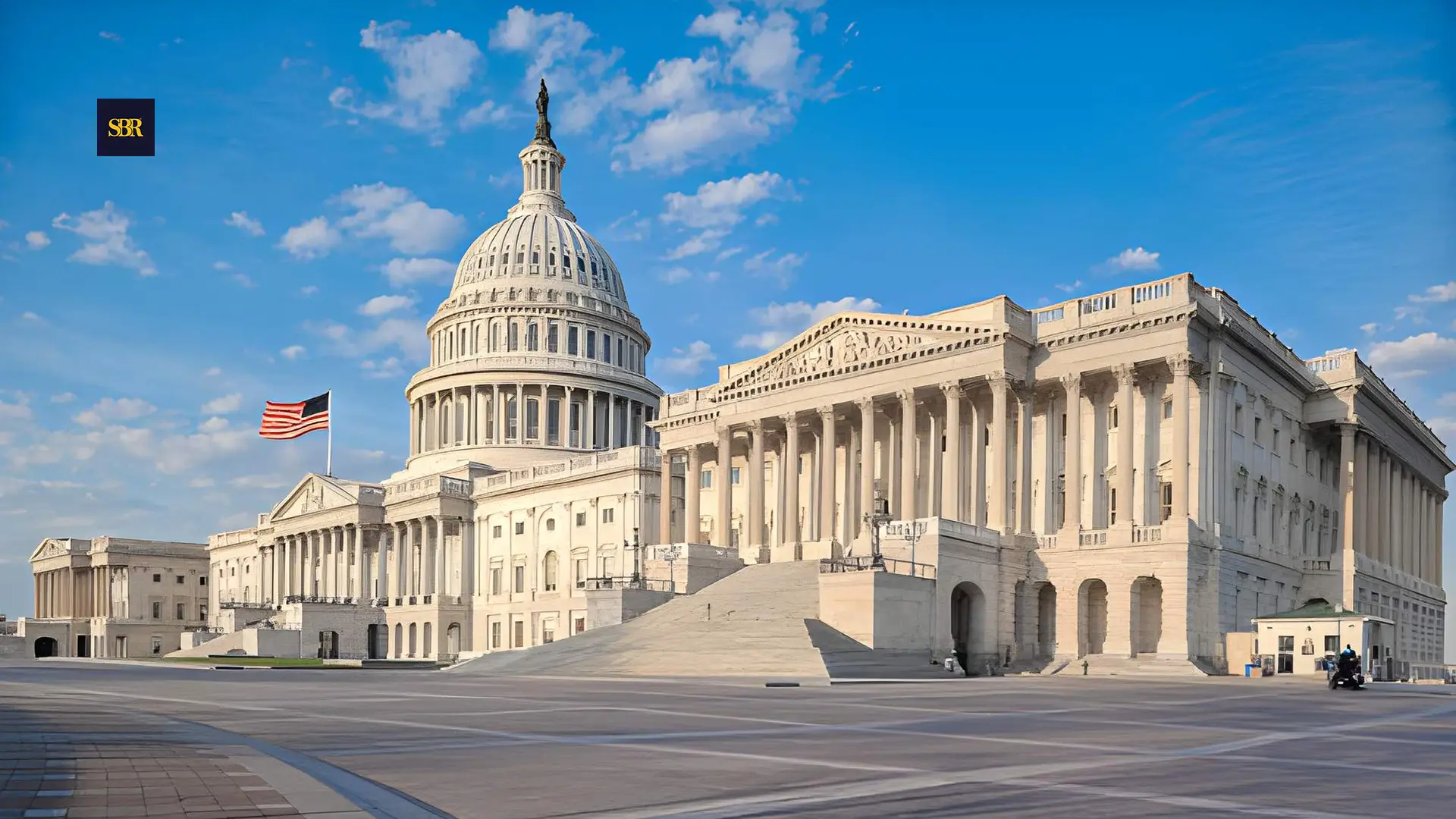
WASHINGTON, D.C., Jan. 30, 2026 — With another potential U.S. government shutdown approaching if Congress doesn’t reach a funding agreement by January 30, 2026, travelers should understand how that could affect their travel plans, especially if they are flying through U.S. airports during this period. A shutdown occurs when federal funding lapses, and many government functions slow down or stop. Essential agencies like the Transportation Security Administration (TSA) and the Federal Aviation Administration (FAA) are included in these funding debates, meaning air travel operations can be disrupted if funding lapses.
What Impacts Could Travelers Face
Because TSA and FAA personnel are part of the shutdown funding discussions, a lapse in funding can translate into real travel delays. Essential workers such as TSA officers and air traffic controllers may be required to work without pay during a shutdown, which can lead to higher rates of absenteeism, long security lines, and operational backlogs at major airports. Past shutdowns have shown that reduced staffing can result in delayed departures and arrivals, and travelers may need to allow extra time for security screening and boarding procedures. Flight delays, cancellations, and staffing shortages are all possible, as was seen during the 43-day shutdown that began last October.

Can Travel Insurance Offer Protection
Most standard travel insurance policies do not cover disruptions caused by a government shutdown. Even travelers who already have coverage are usually not protected unless they purchased optional benefits.
The only benefits that may offer protection in this context are Cancel For Any Reason (CFAR) or Interruption For Any Reason (IFAR). These benefits allow travelers to receive partial reimbursement for trip costs if they need to cancel or cut their trip short for reasons not otherwise covered by a standard policy. CFAR and IFAR typically reimburse a portion of prepaid, non-refundable trip expenses, and eligibility usually depends on purchasing the benefit within a set window after the initial trip deposit, often 14–21 days. If you are within that window, buying these benefits now will provide the broadest coverage possible.
If you choose not to purchase CFAR or IFAR, you are taking the risk that a shutdown could impact your travel plans. Some standard policies may still offer coverage for other forms of trip delay or interruption, but coverage varies by provider and policy, so reading the fine print is essential.
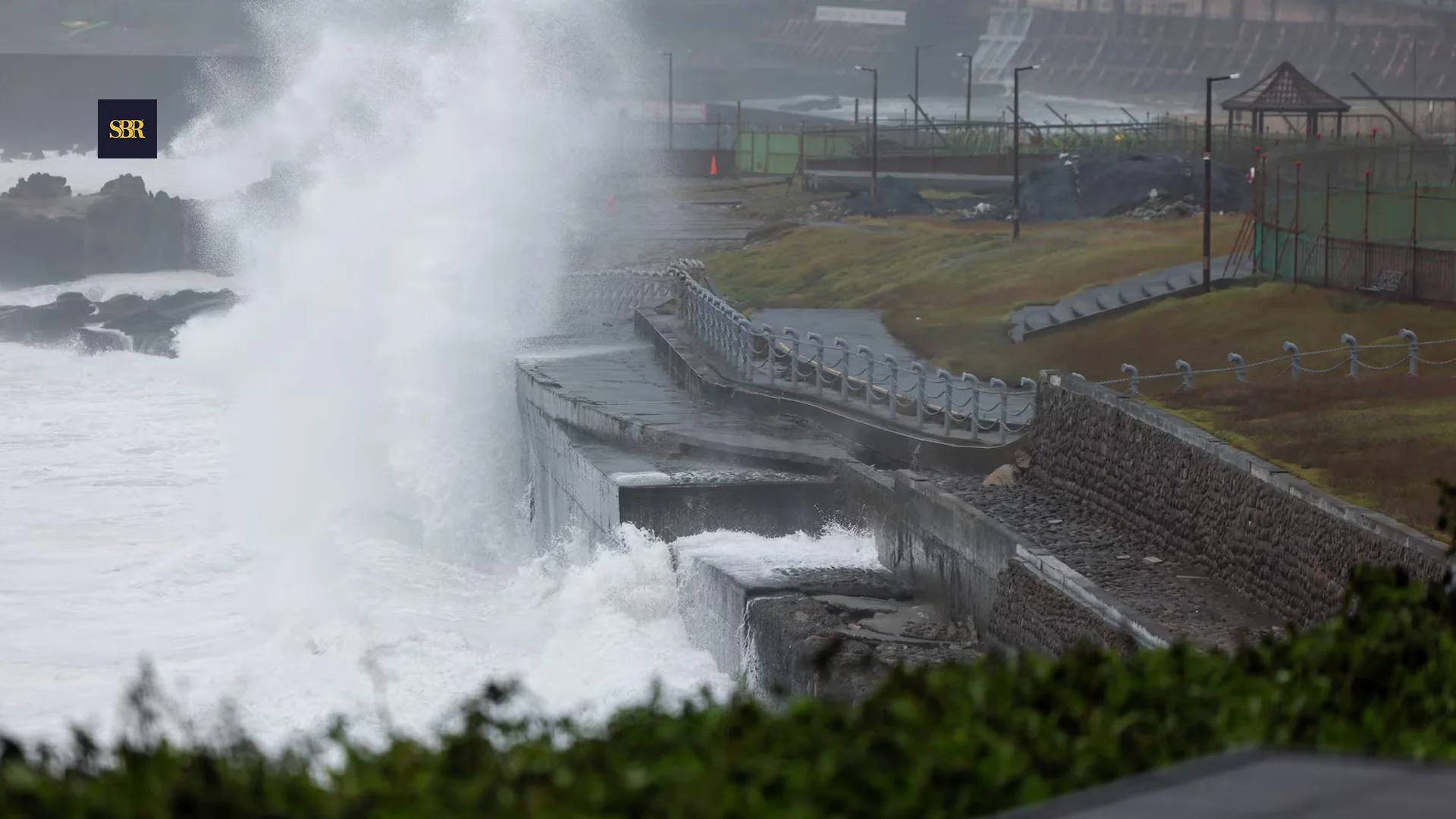
CFAR and IFAR benefits are not only useful for shutdown-related concerns; they also apply if plans change due to additional winter storms or other unexpected events, such as military actions or geopolitical disruptions affecting travel. Their flexibility is what makes them valuable for travelers facing uncertainty.
For an in-depth overview of travel insurance coverage during a government shutdown, travelers should consult a dedicated guide on the subject.
Most standard travel insurance policies do not cover disruptions caused by a government shutdown. Even travelers who already have coverage are usually not protected unless they purchased optional benefits.