WASHINGTON, Nov. 17, 2026 — A series of technology outages across the United States between November 12 and November 17 has disrupted air travel, banking, workplace software, hotel reservations, and government services. Microsoft, the Federal Aviation Administration (FAA), Workday, JPMorgan Chase, United Airlines, Apple, Charles Schwab, and the National Security Agency (NSA) are among the organizations affected. Customers have also reported problems with Gmail, Marriott’s online services, several other banks, and Cloudflare.
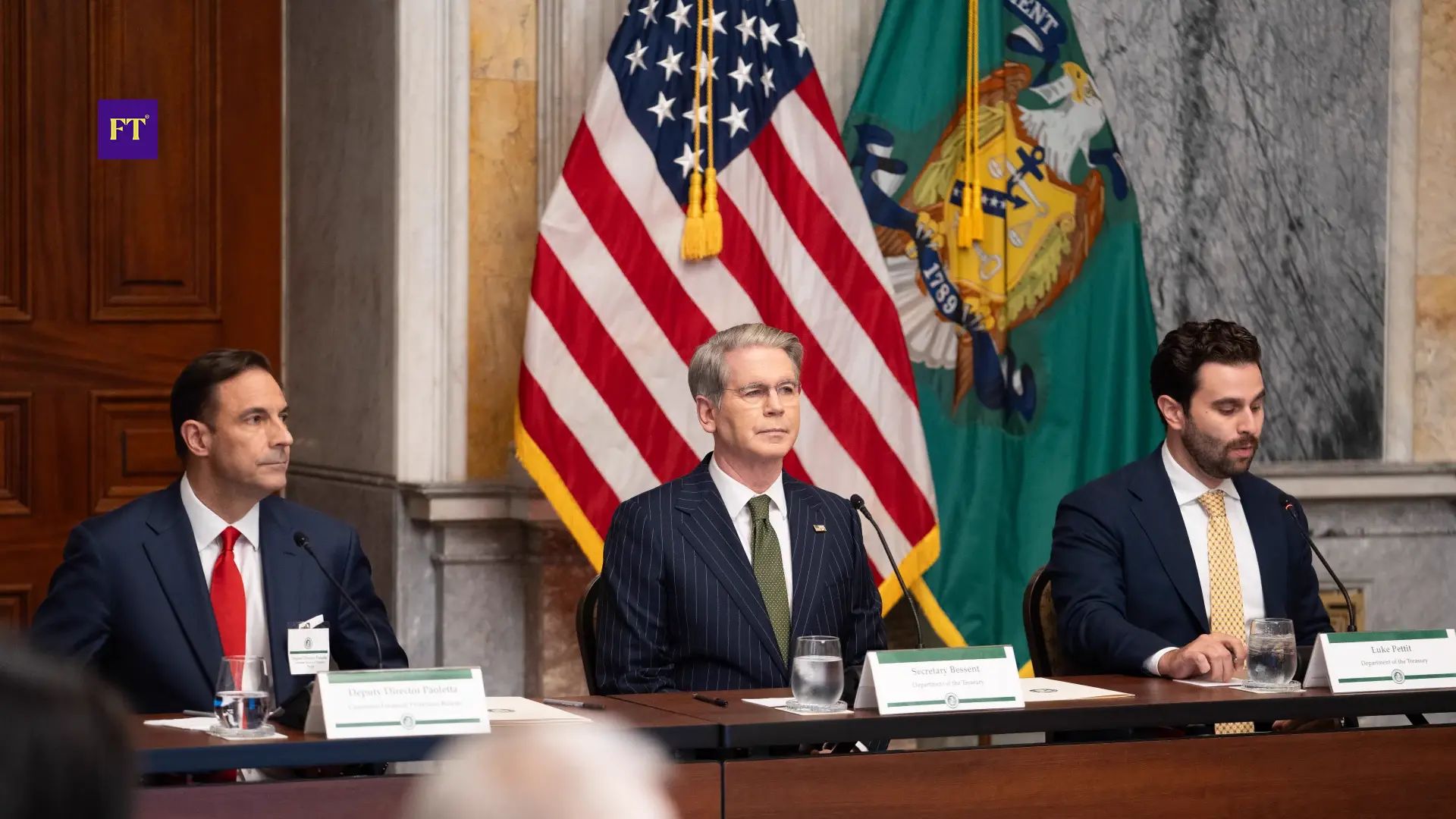
These incidents have affected different technology systems, with no evidence that the major US outages resulted from a coordinated cyberattack, foreign interference, or artificial intelligence. Sen. Mark Warner, the top Democrat on the Senate Intelligence Committee, said early evidence pointed to legitimate efforts to secure technology systems rather than malicious activity. He also warned that AI-assisted vulnerability detection was creating demands for software repairs at a pace that older systems were not designed to handle.
Confirmed Service Outages
Microsoft Outlook, Teams, and Copilot: Microsoft experienced a global Microsoft 365 outage beginning November 12 that lasted nearly 24 hours. Outlook users encountered difficulties accessing email, sending messages, and receiving communications. Microsoft Teams, Copilot, and other Microsoft 365 services were also affected. Microsoft's preliminary post-incident report identified a software defect introduced during an earlier network capacity upgrade, higher traffic following a Teams failover, and reduced server capacity as contributing factors. Microsoft restored the affected services on November 13 and found no evidence of malicious activity.
Workday: The cloud-based human resources and financial management platform experienced a widespread outage beginning November 13. Employees at affected organizations could not log in or complete workplace tasks. Workday identified a problem involving its disaster recovery environment that left inconsistent data in its production environment. As a precaution, the company placed affected production systems into maintenance while it worked on recovery. Service was restored for customers by 11 a.m. ET on November 14. Workday provides software for payroll, recruitment, benefits and time-off management to more than 11,500 organizations worldwide.
Federal Aviation Administration: The FAA issued a nationwide ground stop on November 13 at approximately 3:30 p.m. ET after a telecommunications problem disrupted its air traffic control network. The restriction was lifted at 8:15 p.m., following more than four hours of disruption. The FAA reported instability at 17 of its 22 air route traffic control centers. Its initial investigation identified excessive data traffic involving a radar site in Amarillo, Texas, and a radio communications site in El Dorado, Arkansas, where contractor L3Harris had installed a new router. The agency has not established the root cause and is examining the equipment involved. The FAA has also paused further installations of the implicated Juniper routers while the investigation continues. An FAA official reportedly supervised and approved the Arkansas installation work, making it premature to attribute the incident solely to the contractor. The agency said it had found no evidence of a cyberattack.
United Airlines: A system outage on November 16 delayed departing flights for approximately one hour and 40 minutes. Pilots reported difficulties obtaining final aircraft weight information needed before departure, although United did not confirm the specific system responsible. Flights already in the air and United Express services were unaffected. The airline restored service and reported no indication of a cybersecurity incident.
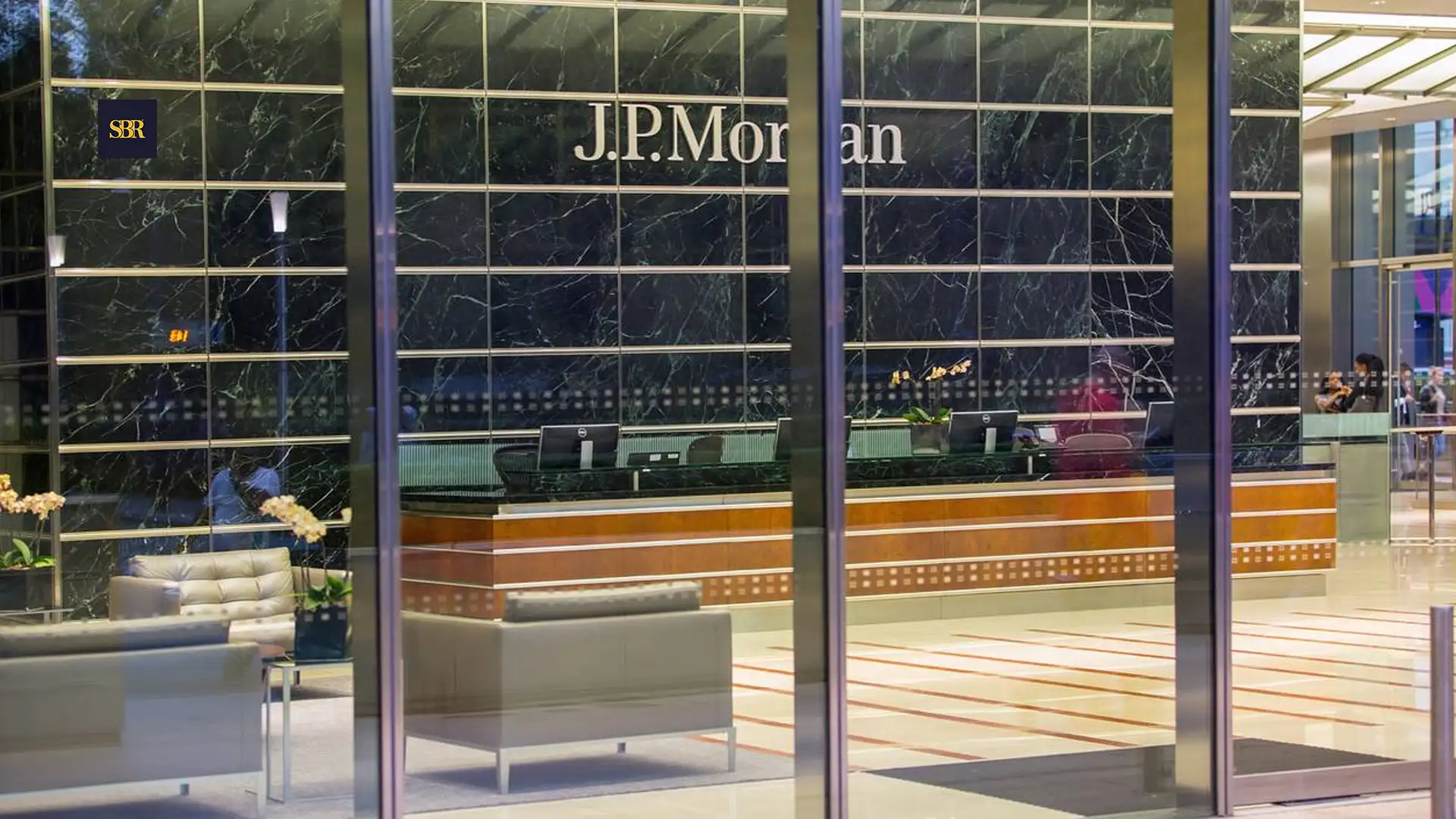
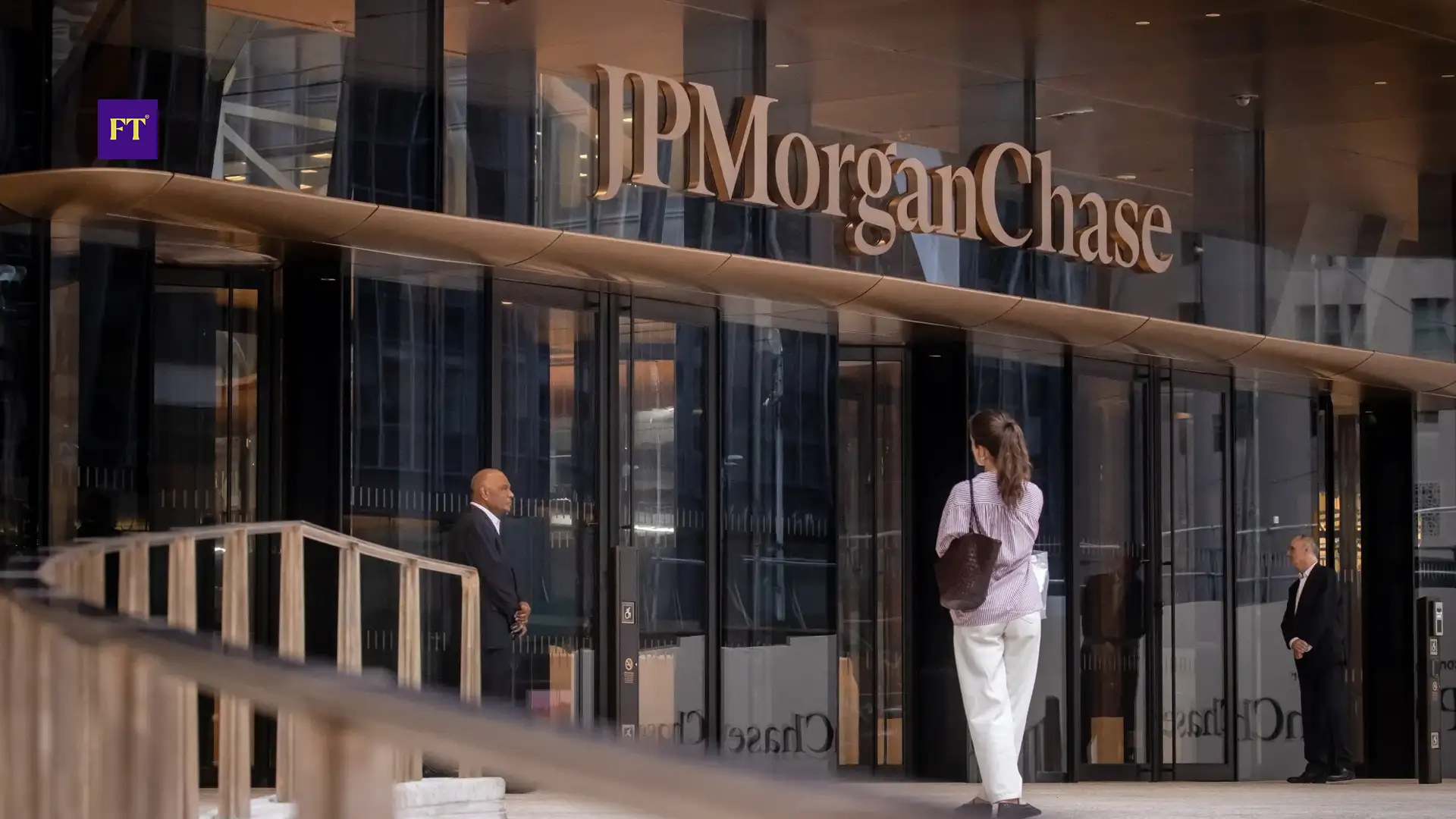
JPMorgan Chase: The bank experienced service disruptions on November 16 because of a software bug in an on-premises hardware system. Customers reported difficulties accessing account information and delays in transaction processing. Some Chase customers received messages indicating that certain services were temporarily unavailable. The bank restored normal operations by November 17 and ruled out a cyberattack.
Charles Schwab: The brokerage firm experienced a brief website-loading problem on November 17. Some users encountered an internal server error or misconfiguration message when attempting to access its website. The problem was resolved at approximately 10:38 a.m. ET. Trading remained available, and customers could access their accounts through the login page and mobile application.
Apple Music, App Store and AppleCare: Apple reported full outages affecting these three services on November 17 following an internal software update. The disruption also affected the iCloud sign-in interface. Apple began restoring services during the day and reported that several systems had returned to operation.
Other Services Reporting Problems
Bank of America: Customers reported difficulties accessing online banking services on November 16. However, the reports did not establish an independent system failure at the bank. Some transaction delays involved payments with JPMorgan Chase.
Wells Fargo: Customers reported problems accessing online accounts during the November 16 banking disruptions. The reports emerged alongside complaints involving Chase and other financial institutions, but did not establish a separate outage at Wells Fargo.
US Bank: Customers reported difficulties involving banking services and transactions on November 16. US Bank clarified that its systems were not directly affected, although customers sending or receiving Zelle payments through other financial institutions could experience delays.
Truist: Customers reported online banking problems on November 16, according to outage-monitoring reports. No independent system failure at Truist was established.
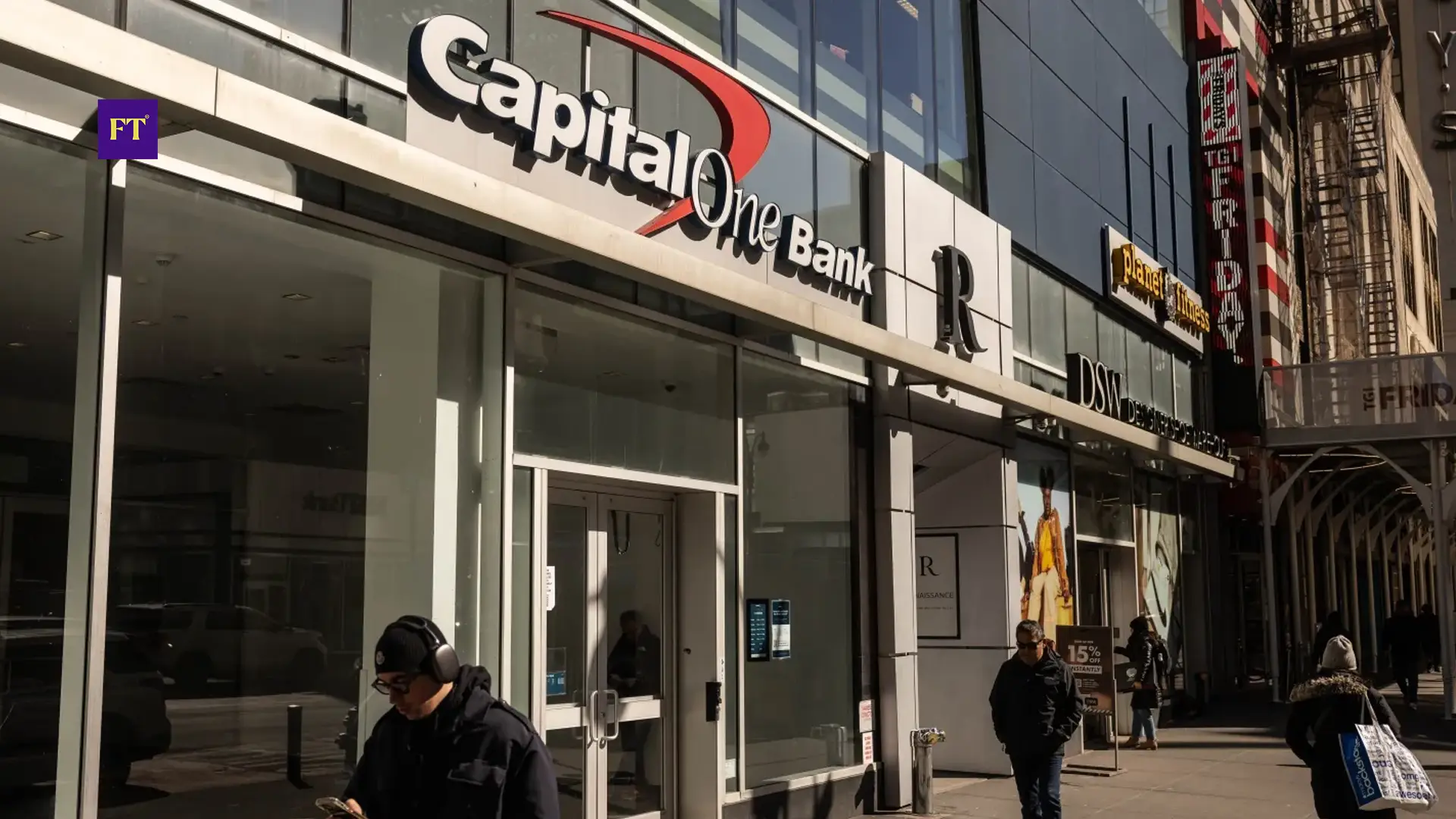
Capital One: Customers also reported difficulties accessing their accounts on November 16. The reports appeared on outage-monitoring platforms, but did not establish an independent outage at the bank.
PNC Bank and Citigroup: Both institutions appeared among the banks receiving increased customer complaints on November 16. The available reports did not establish that either bank experienced an independent system failure.
Zelle: Customers reported problems with transfers and payments on November 16. However, Early Warning Services, the network's operator, confirmed that Zelle itself was operating normally. Delays were associated with problems at participating financial institutions, including transactions involving Chase.
Marriott International: Customers reported problems with Marriott.com and the Marriott Bonvoy mobile application on November 17. Complaints involved account sign-ins, hotel reservations and check-ins. Downdetector also recorded an increase in reports. Marriott had not publicly confirmed the cause or scope of the disruption in the available reporting.
Gmail: More than 2,800 users reported problems accessing Google's email service on November 17, according to Downdetector. Most complaints involved difficulties receiving messages, while others concerned account access. Google reported no evidence of a widespread Gmail outage, and its Workspace Status Dashboard did not list an active incident.

Photo credit: Pexels
National Weather Service: Users reported difficulties accessing NWS websites and data services on November 17. NOAA attributed the problems to routine network maintenance between 11:05 a.m. and 11:45 a.m. ET. NOAA Weather Radio and NOAAPort remained operational throughout the incident. The reported disruption did not involve a nationwide radar outage.
Cloudflare: The internet infrastructure provider recorded several regional network incidents on November 16 and 17. These included network performance problems in Ashburn, Montreal, Los Angeles and Frankfurt, elevated server errors, Cloudflare One Gateway connectivity problems and failures involving its Turnstile verification service. Cloudflare's status records showed that several incidents had been resolved, while some other regional and service-specific problems remained under investigation on November 17.
National Security Agency: The NSA experienced a temporary disruption to its classified internal communications network on November 17 during scheduled maintenance. The agency said some internal systems were affected, but mission-critical capabilities remained operational and its ability to defend national security was not impaired. News reports identified the affected network as NSA Net, which employees use to exchange classified information. The precise duration and scope of the disruption have not been publicly established.
Separate Cybersecurity Incidents
Journal Technologies: The software provider identified suspicious automated activity targeting its public-facing court portal technology on November 13. The company initiated security measures and advised affected courts to suspend public portal access while it investigated. Several California courts experienced interruptions to online case searches and electronic filing. Journal Technologies reported no evidence that criminal justice information had been exposed as of its November 16 update. These suspensions followed a security investigation rather than a conventional equipment or software outage.
Optimizely: A separate security incident involving the digital experience software provider was identified on November 16. Malicious JavaScript was inserted into some website-experimentation scripts through a vulnerability in the Experimentation account signup process. Security researchers identified affected scripts across several Optimizely web properties. The provider addressed the vulnerability, removed the injected code, and secured affected accounts. Available evidence did not establish a service outage or quantify customer losses.
Equinor: Norway-based energy company Equinor detected a cyberattack against certain information technology systems on November 17 and notified authorities. The company began mobilizing resources to contain the intrusion and restore system integrity. It reported no evidence of data theft or disruption to its operations. The incident was separate from the US technology outages.
International Ice Hockey Federation: The IIHF’s website went offline on November 17 following an apparent cyberattack. Visitors initially encountered an image of Russian hockey players and messages criticizing the federation's decision to exclude Russia from the 2026-27 World Junior Championship. The website was subsequently taken offline and displayed a maintenance notice. The suspected motive was retaliation for the exclusion, although the attacker's identity was not established.
Tech Infrastructure Faces Scrutiny
The incidents involved different technical failures rather than a single breakdown across US technology networks. Microsoft's outage stemmed from software and server-capacity problems, the FAA disruption involved instability in telecommunications equipment, Workday's outage followed backup-system testing, and JPMorgan Chase encountered a software bug in its on-premises hardware. Apple's service interruptions followed an internal update. The banking reports, meanwhile, largely reflected delays involving transactions with Chase rather than independent failures at every bank named by customers.
Warner’s warning about AI raises a separate issue for businesses and government agencies responsible for cybersecurity. AI tools can identify software vulnerabilities faster, giving organizations more reason to address security weaknesses promptly. However, deploying patches and making changes to older systems requires testing and coordination to avoid disrupting existing services. Warner said the recent incidents demonstrated the difficulty of managing technology changes at the pace of AI development. There is no evidence that AI caused the outages covered in this report.
For businesses, the disruptions show the operational risks of relying on external technology providers for essential functions. The Microsoft outage affected workplace communications, Workday's failure restricted access to employee administration services, and the FAA ground stop disrupted airline schedules nationwide. The Chase incident also demonstrated how a technical fault at one financial institution can delay transactions involving other banks. These cases make system redundancy, backup procedures, software testing, and recovery planning important considerations for companies that depend on digital services for daily operations.
Sen. Mark Warner, the top Democrat on the Senate Intelligence Committee, said early evidence pointed to legitimate efforts to secure technology systems rather than malicious activity. He also warned that AI-assisted vulnerability detection was creating demands for software repairs at a pace that older systems were not designed to handle.