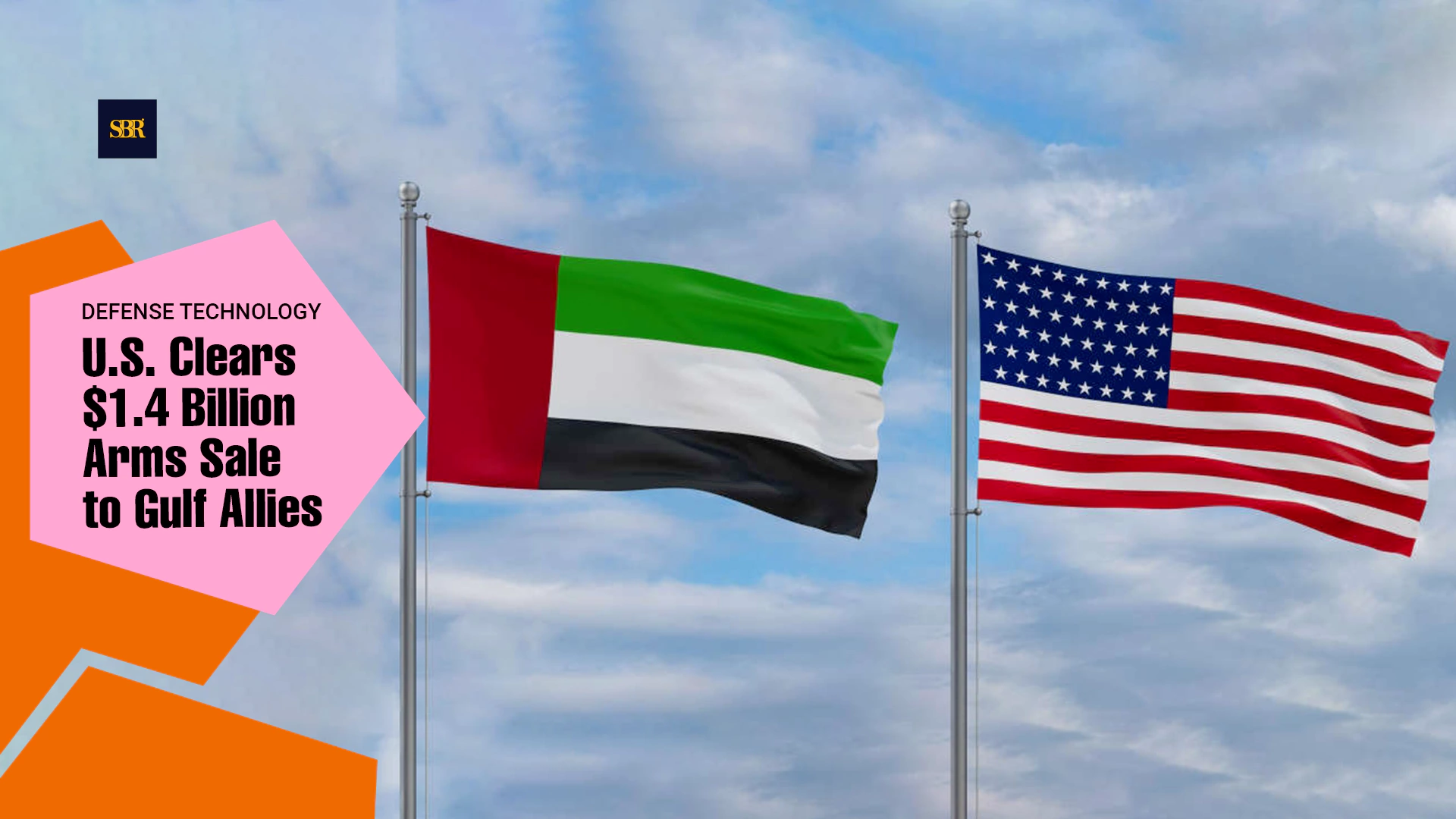
RIYADH / MANAMA / WASHINGTON, Dec. 2, 2025 — The United States has authorised a set of military transactions worth about 1.4 billion dollars for Saudi Arabia and Bahrain, marking one of the more substantial Gulf-focused announcements of recent months. The packages cover helicopter upkeep, aviation training and fighter jet support. Although these deals still await completion of a congressional review period, they already send a message about Washington’s intentions in a region where alliances carry heavy strategic weight.
The move reflects a familiar pattern in which the United States reinforces aviation readiness for partners that rely on American systems. Saudi Arabia operates a wide mix of helicopters and fixed wing aircraft that require constant servicing, while Bahrain continues to use the F-16 as the backbone of its combat fleet. Keeping these fleets fully functional has long been viewed as central to Gulf security planning.
What Each Country Receives
Saudi Arabia will receive two sizeable packages. One is tied to helicopter maintenance across a wide range of models including Apaches, Chinooks and several lighter platforms. This support ensures that aircraft essential for border patrols, troop movements and surveillance remain available when needed. The second package authorises training services for the aviation wing of the Saudi land forces. American trainers and contractors will be responsible for raising operational standards, improving flight readiness and sustaining technical proficiency across the corps.
Bahrain receives a package valued around 445 million dollars that focuses on F-16 sustainment. Replacement parts, radar components, missile containers and assorted ground support material form the core of this approval. Without such supplies many air forces face rapid degradation in capability, as ageing fighter jets demand constant oversight. Bahrain has relied on the F-16 for decades and expects to keep it in service for many years, which makes this set of provisions particularly important.
Officials have stated that the agreements do not require additional permanent deployment of US personnel. The transactions are structured in a way that allows deliveries and technical support without changing the current footprint in the region. That detail matters for Washington, which continues to balance the need for strong alliances with domestic concerns about overseas commitments.
Why the Announcement Matters Now
Tensions across the Middle East remain elevated, with conflicts and rivalries producing frequent uncertainty. Aviation strength plays a major role in how Gulf governments manage these conditions. The ability to monitor borders, deter threats and respond quickly to unexpected developments often depends on a reliable air fleet. That reliability can erode quickly without sustained investment.
The United States understands that partners equipped with modern systems can share more responsibilities in regional security. Washington also sees value in ensuring that its long-standing defence relationships remain relevant. These sales help preserve that relevance by keeping Gulf fleets tied to American manufacturers, training methods and logistical systems. Critics sometimes question whether such transactions give Washington too much influence, while supporters argue that they create predictable channels for cooperation.
The timing also follows leadership exchanges between the United States and Saudi Arabia, where defence and technology ties featured heavily. While the current announcement is not directly framed as an outcome of those talks, it fits a pattern in which both sides seek stable military collaboration despite occasional political disagreements.
How Congress Could Shape the Next Steps?
Review Period and Oversight: Under US law, the agreements will remain under examination for about thirty days. Lawmakers can object for a range of reasons that include human rights concerns, regional risks or questions about technology transfer. Objections do not always block a sale but they can delay or alter its structure. The review process often reflects broader debates about America’s role in the Middle East and how far Washington should go in supporting certain partners.
Possible Outcomes After Review: Congress may let the deals pass without modification, allowing deliveries to move ahead according to the usual schedule. That outcome is common, especially when a package focuses on maintenance rather than new offensive capability. There is also a chance that lawmakers request added assurances about usage and monitoring. If objections intensify the administration could be forced to adjust timelines or terms.
Regional governments will pay close attention to which scenario unfolds, since uncertainty affects planning cycles. Air forces often schedule training, inspections and upgrades based on when they expect new parts or support teams to arrive. Any delay can influence readiness.
What the Region Might Expect
 Gulf neighbours may view the authorisation as part of Washington’s ongoing effort to steady long running partnerships despite shifting global priorities. The Middle East has watched the United States redirect attention to Asia and Europe at various points, raising questions about future commitment. Transactions of this magnitude help counter those perceptions and reassure local governments that cooperation remains intact.
Rivals in the region may analyse the announcement with caution. Enhanced readiness for Saudi Arabia and Bahrain could shape how adversaries weigh their moves, particularly in contested areas where air power plays a pivotal role. While the sale does not introduce new advanced weapons, it strengthens maintenance and reliability, which in itself can have strategic weight.
The coming weeks will show whether Congress affirms the administration’s decision or insists on adjustments. Either way the authorised packages highlight a continuing pattern in Gulf defence ties where operational strength depends on consistent upgrades, dependable supply chains and deep partnerships that outlast political cycles.
Saudi Arabia will receive two sizeable packages. One is tied to helicopter maintenance across a wide range of models including Apaches, Chinooks and several lighter platforms. This support ensures that aircraft essential for border patrols, troop movements and surveillance remain available when needed.
Inputs from Diana Chou
Editing by David Ryder