Insurance has long been defined by what happens after a loss, and that framework has shaped how products are designed and delivered. Counterpart is working to change that premise by focusing on what happens before a loss occurs, and that shift sets the tone for its entire model. Founded in 2019, the company entered the market with a direct idea. Insurance should not stop at coverage, and it should help businesses reduce exposure as part of an ongoing process.
That idea took shape as small businesses faced growing legal and regulatory demands, while many lacked the internal resources to manage those risks effectively. Traditional insurance products often moved slowly and offered limited insight, which created a gap between what businesses needed and what insurers delivered. Counterpart identified that gap and built a system that connects risk assessment, underwriting, and claims into one structure.
The company operates as a managing general underwriter focused on management and professional liability, and it offers coverage designed for small and midsize businesses. At the same time, it integrates tools that help those businesses understand and manage exposure over time. This structure shifts insurance from a reactive transaction to a continuous service, where each interaction feeds data back into the system and informs future decisions.
Building a Data-Driven Insurance Model
Counterpart relies on artificial intelligence paired with underwriting expertise, and that pairing defines how the system functions. The company describes this framework as Agentic Insurance, which links underwriting, broker services, risk mitigation, and claims management into a single structure. Each function is connected, and each contributes to a system that evolves with use.
Underwriting is powered by a proprietary digital risk score that evaluates business exposure using multiple data inputs, and that allows policies to be priced and issued faster than traditional processes. Broker services are integrated through application programming interfaces, which connect the platform directly to distribution channels and reduce manual steps. As a result, brokers can access insights in real time, and transactions move more efficiently.
Risk mitigation tools extend the relationship beyond policy issuance, and they provide resources that help businesses address issues before they escalate. These tools support compliance and workplace management, which are often areas of exposure for smaller firms. Claims management then completes the cycle, and the data collected during claims feeds back into underwriting models. This feedback loop allows the system to refine how risk is evaluated over time.
The result is a model that adjusts as new information becomes available, and that creates a dynamic system rather than a static one. Risk profiles are not fixed, and they evolve as conditions change.
Focus on Small Business Exposure
Small businesses remain Counterpart’s primary focus, shaping both its products and platform. These businesses often operate without dedicated risk or compliance roles, leaving them exposed to legal and operational challenges. Most insurance products do little to address that gap or keep pace as they grow.
Counterpart’s management and professional liability offerings are designed to address these needs, and they provide protection against claims related to employment practices, governance, and professional services. Beyond coverage, the company also delivers tools that help businesses understand where their risks lie and how those risks can be addressed.
Adoption reflects demand for this model, as the company has written thousands of policies across a wide range of industries. Businesses are not only purchasing coverage, and they are also using the platform to manage ongoing exposure. That behavior points to a shift in expectations, where clients want more than financial protection and are seeking insight that supports day-to-day operations.
This shift is especially relevant for smaller firms, as access to better risk tools can influence decisions, reduce losses, and support long-term stability. Counterpart’s system is built to meet that need, and it connects protection with insight in a single framework.
Backing, Partnerships, and Scale
Counterpart’s underwriting capacity is supported by established insurance carriers, and those partnerships provide financial strength while allowing the company to focus on technology and service design. This structure creates a balance between stability and flexibility, where traditional insurance backing supports a modern delivery model.
The company has also secured venture funding, which has supported the development of its data infrastructure and the expansion of its distribution network. That investment has allowed Counterpart to scale its platform while continuing to refine its system.
Operating as a managing general underwriter gives Counterpart a specific role within the insurance ecosystem, and it allows the company to focus on underwriting and distribution without taking on full balance sheet risk. This structure has become more common in Insurtech, and it supports faster growth while maintaining discipline.
Recognition from industry groups reflects this progress, and it points to both operational traction and cultural development within the organization. As the company expands, it continues to build on a model that links technology with insurance expertise.
Leadership and Vision
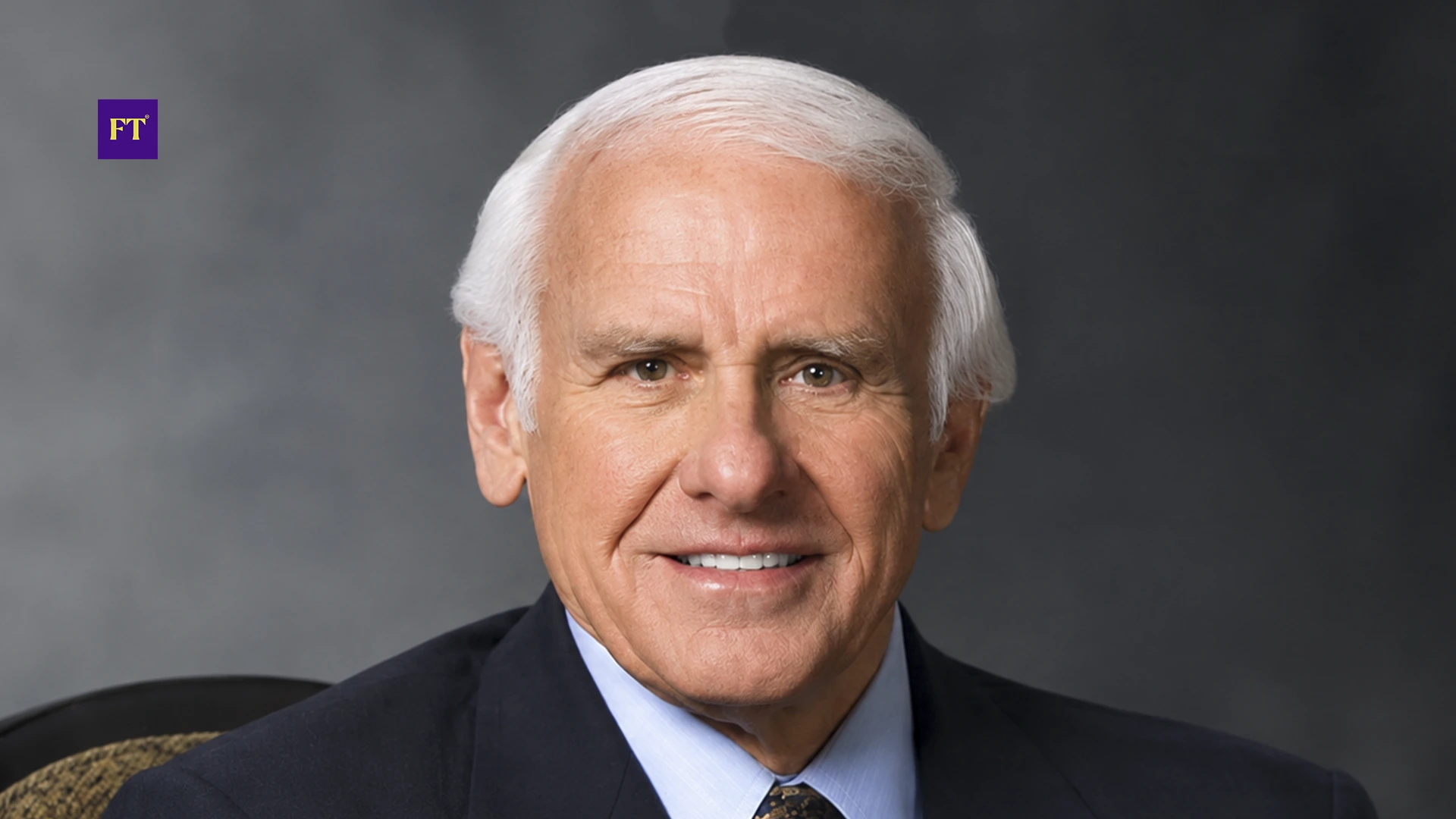
Tanner Hackett, founder and CEO, leads Counterpart with a background in building technology-driven businesses, and that experience shapes the company’s direction. His focus has been on integrating data and insurance into a unified system, where each function informs the others.
Under his leadership, the company has built a platform that uses artificial intelligence not only in underwriting but also in claims and risk mitigation. This integration allows the system to remain connected at every stage of the insurance process, and it supports a model where insight develops over time.
Hackett has pointed to the need for insurers to stay closer to their customers, as risk evolves quickly and requires systems that can adapt in real time. That perspective is reflected in Counterpart’s structure, which maintains continuous engagement with policyholders rather than periodic interaction.
This direction aligns with broader changes across the insurance sector, where technology is reshaping how services are delivered and how risk is understood.
Risk Assessment Shifts Beyond Claims
Counterpart’s model reflects a wider change in how insurance is defined, and that change is driven by access to data and advances in analytics. Insurers are moving toward systems that assess risk continuously rather than at fixed intervals, and that shift is changing expectations across the sector.
Insurance is no longer limited to financial protection after a loss, and it now includes insight, prevention, and ongoing support. Counterpart’s system is built around this idea, and each component contributes to a cycle where data informs decisions and decisions refine future outcomes.
For small businesses, this shift can be significant, as better risk tools can influence operations and reduce exposure over time. Counterpart’s message remains consistent, and it reflects a broader evolution in the industry. Insurance should do more than transfer risk, and it should help businesses reduce it while they grow.
Tanner Hackett, CEO, Counterpart