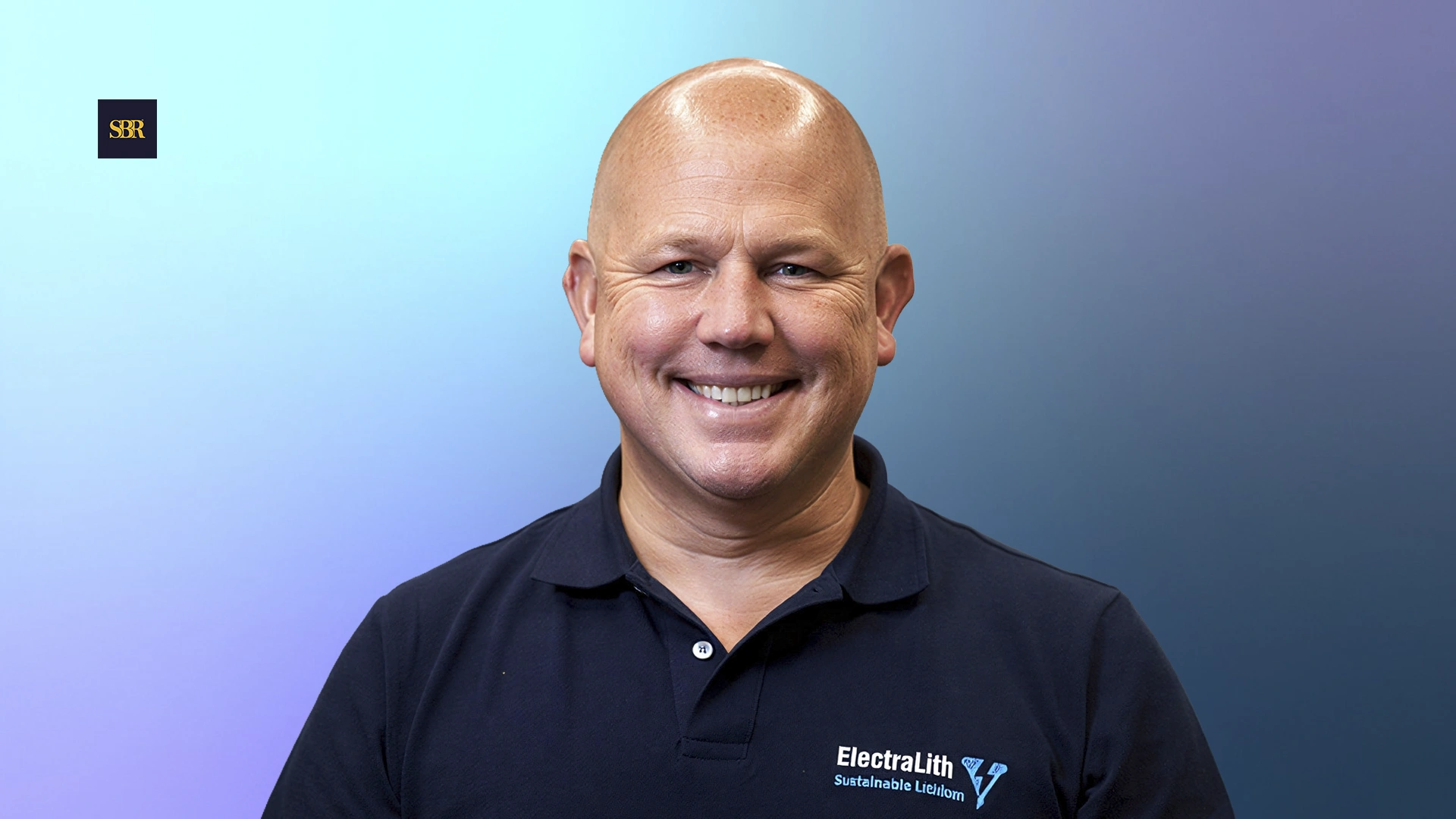
ElectraLith is a cleantech company developing next-generation methods to extract and produce lithium, an essential component in batteries for electric vehicles, renewable energy storage and portable electronics. The company’s patented direct lithium extraction and refining system, known as DLE-R, uses proprietary membrane separation technology to extract lithium from brine and refine it into battery-grade lithium hydroxide in a single step without using water or chemical reagents. Powered by renewable energy and designed as a modular system, the technology can be deployed near resource sites and adapted to different brine sources.
The company’s origins trace back to research conducted at Monash University, where early work focused on improving lithium recovery methods through advanced materials and electrochemical design. Since then, ElectraLith has secured support from industry and investment partners who are interested in lower-emission pathways for critical mineral production. As global demand for lithium increases, producers are exploring alternatives that reduce environmental strain while maintaining high output quality.
A Membrane-Based Extraction Process
Traditional lithium production often relies on evaporation ponds or hard rock mining, both of which can require significant water use, extended processing timelines and additional refining stages. ElectraLith’s DLE-R system replaces these methods with electrochemical membranes that separate lithium ions directly from brine and convert them into lithium hydroxide on site. This integrated process reduces the number of production steps and eliminates the need for transport to separate refining facilities.
The technology is capable of processing multiple brine types, including brines from salars, geothermal sources and oilfields. Early demonstrations have shown that the system can produce high-purity battery-grade lithium hydroxide from varied feedstocks. By removing water and chemical inputs from the extraction process, the company’s design reduces material requirements and may lower environmental burden, particularly in regions where water resources are limited.
Engineers continue refining membrane performance, system durability and energy efficiency as ElectraLith prepares for pilot-scale testing. These efforts focus on ensuring consistent output under operational conditions while maintaining scalability for larger installations.
Investment and Strategic Collaboration
ElectraLith has attracted funding from a consortium of investors that includes resource companies, venture capital firms and institutional backers. This capital supports technology development, pilot plant construction and expanded testing across diverse brine compositions. Industry participation also provides operational insight that informs system design and deployment planning.
Recognition from international innovation programs has further increased visibility for the company’s technology. Engagement with partners across mining, energy and research sectors supports evaluation of system performance in different geographic and geological contexts. These collaborations help align product development with practical requirements for eventual commercial use.
By working with academic institutions and industry stakeholders, ElectraLith continues refining its approach to ensure that pilot demonstrations reflect real-world conditions. Collaboration also supports discussions about integration with renewable energy sources and existing lithium production infrastructure.
Environmental and Supply Chain Considerations
Lithium demand is expected to remain strong as electric vehicle production and grid-scale energy storage expand worldwide. While this growth supports the transition to lower-emission energy systems, conventional extraction methods have raised concerns about water use, chemical inputs and land disturbance.
ElectraLith’s system addresses these concerns by eliminating water and chemical reagents from the extraction and refining process. Producing lithium hydroxide directly at the source may also reduce reliance on centralized refining facilities and shorten supply chains. This localized production model could allow resource developers to evaluate deposits that were previously difficult to develop due to infrastructure requirements.
The modular nature of the DLE-R system allows scaling based on resource size and site conditions. Producers can adjust capacity to match output goals, which supports flexible deployment across different regions. As global lithium supply chains evolve, technologies that reduce processing steps and environmental requirements may play an increasing role in meeting demand.
Path to Pilot Deployment
ElectraLith is transitioning from laboratory validation toward pilot installations designed to test performance under larger-scale conditions. These demonstrations will evaluate system operation with continuous brine flow and renewable energy integration, providing additional data on efficiency and reliability.
Engineering efforts remain focused on optimizing membrane materials, refining process control and preparing manufacturing methods for broader deployment. Ongoing collaboration with industry partners contributes to planning for future installations and potential commercial rollout.
As lithium demand grows alongside expansion of battery production, producers are evaluating technologies that can supply refined material while addressing environmental expectations. ElectraLith’s membrane-based DLE-R system represents one approach to achieving battery-grade lithium production without water use or chemical reagents. Continued development, pilot testing and collaboration will determine how the technology fits within the broader evolution of lithium extraction and refining.
Charlie McGill, CEO, ElectraLith

















.webp)