Email dominates modern work culture. Professionals spend hours every week sorting inboxes, replying to messages, scheduling meetings, and writing follow-ups. Many workers finish one video call only to face another flood of unread emails waiting inside Gmail or Outlook. Administrative work consumes large portions of the day before meaningful work even begins.
Fyxer entered that space with software designed to reduce communication overload. The company offers an AI assistant that works directly inside Gmail and Outlook, allowing users to stay inside tools they already use daily. The software sorts emails, drafts replies based on personal writing style, records meeting notes, creates summaries, and helps manage scheduling. According to company information, many users recover roughly one hour each day after adopting the software. Setup reportedly only takes a few minutes through direct integration with email and calendar accounts.
Artificial intelligence software focused on workplace productivity expanded rapidly during the past two years. Large technology companies launched tools for writing, scheduling, summarising, and workplace search. Yet email remains one of the biggest frustrations in office culture. Workers still spend huge amounts of time replying to repetitive messages, searching old threads, and writing follow-up emails after meetings. Fyxer attempts to reduce those repetitive tasks through automation connected directly to everyday communication habits. The software studies previous emails and adapts to individual writing patterns so drafts resemble the user’s own style. For professionals managing several inboxes or heavy volumes of correspondence, that feature became one of the company’s strongest selling points.
Email Sorting Without Endless Manual Work
Inbox overload affects professionals across many industries. Recruiters, consultants, founders, executives, sales staff, and estate agents often manage hundreds of emails every day. Important messages can disappear beneath newsletters, automated alerts, marketing campaigns, and long internal conversations. Many professionals spend valuable time organising communication before replying to urgent requests.
Fyxer attempts to reduce that workload through automatic inbox organisation. Emails receive categorisation according to urgency and relevance. Some messages remain inside the main inbox while others move into folders or labels based on user preferences. The software can also filter spam and low-priority communication that normally clutters inboxes throughout the day. Users still maintain access to every message because emails remain searchable after the organisation takes place. Another major feature involves AI-generated email drafts. Instead of writing every reply from the beginning, users receive suggested responses already prepared inside Gmail or Outlook. The software studies previous writing habits and attempts to mirror personal phrasing patterns and tone. Some users described the software eventually copying familiar sign-offs and language habits after several weeks of use, while others highlighted the convenience of receiving context-aware drafts connected directly to previous conversations and scheduling details.
The company’s decision to operate directly inside Gmail and Outlook also matters. Many productivity tools require professionals to leave familiar workflows and learn separate dashboards. Fyxer instead integrates with software already embedded inside daily work routines. That decision reduces friction for users who already spend most of the day inside email platforms. Users connect email and calendar accounts, approve permissions, and shortly afterward begin receiving automated sorting and draft suggestions. Fyxer also states that the software never sends emails or schedules meetings without user approval, which may reassure professionals hesitant about giving AI direct control over workplace communication.
Meeting Notes Without Manual Follow-Ups
Meetings create another major administrative burden across modern workplaces. Employees frequently spend more time documenting conversations than participating in them. Notes become scattered across notebooks, documents, and email threads. Follow-up tasks sometimes disappear after meetings end. Many professionals also struggle to remember decisions made during long video calls involving several participants.
Fyxer attempts to solve that problem through an AI meeting notetaker integrated with platforms such as Zoom, Microsoft Teams, and Google Meet. The software joins meetings as a participant, records conversations, generates transcripts, and creates structured summaries afterward. Meeting notes arrive directly inside the user’s inbox once the session finishes. The software also identifies discussion topics, decisions, and follow-up actions during conversations. Several Fyxer users attending the same meeting can reportedly receive personalised summaries and follow-up suggestions without duplicate notetakers appearing inside the call.
The software also stores transcripts, recordings, and summaries inside a searchable dashboard. Users can replay meetings, download transcripts, edit summaries, or export notes afterward. That feature appeals strongly to professionals handling large numbers of client calls, interviews, sales meetings, or project discussions. Rather than manually documenting every conversation, users can focus on participating while the software handles recordkeeping in the background. Suggested follow-up drafts generated after meetings create another layer of automation because users no longer need to write recap emails manually.
Interest in AI meeting assistants expanded rapidly alongside the remote and hybrid work culture. Workers now spend large portions of the week inside virtual meetings spread across several communication platforms. Administrative tasks connected to those meetings often continue long after calls finish. Scheduling, note-taking, follow-up writing, and information retrieval create additional workload after nearly every discussion. Fyxer attempts to reduce those repetitive tasks through automation tied directly to existing calendar systems and communication tools.
Expansion Beyond Traditional Productivity Software
Fyxer entered the productivity sector during a period of enormous investor interest surrounding artificial intelligence software. Reports published during the past year stated that the London-based company secured major funding while expanding into the United States. Real estate businesses reportedly became some of the company’s earliest large customers because those industries depend heavily on email communication and scheduling.
Real estate professionals represent one example of workers buried under administrative communication. Agents often manage several inboxes while coordinating buyers, sellers, solicitors, photographers, developers, and contractors. Missed emails or delayed replies can directly affect deals and client relationships. Some estate agents credited Fyxer with reducing time spent reviewing email threads and organising communication. Automated categorisation reportedly helped users identify urgent messages faster, while suggested replies reduced repetitive writing tasks.
The company also promotes business-focused features beyond individual productivity. Organisations can reportedly share writing styles across departments, control permissions, exclude sensitive inboxes, and manage scheduling collectively. Administrative controls, compliance standards, and enterprise security certifications also form part of the company’s offering. Those additions widen appeal among larger organisations concerned about governance and data protection connected to AI software.
Competition inside the AI productivity sector continues to grow rapidly. Products from Microsoft, Google, and several startup companies now target similar workplace frustrations. Many services offer email drafting, scheduling, search, and automation features. Fyxer differentiates itself largely through inbox organisation, meeting workflows, and communication-focused automation tied directly to Gmail and Outlook. The company also places heavy focus on learning personal tone and adapting replies according to user behaviour.
Modern workplace culture has created an enormous demand for software capable of reducing repetitive administrative tasks. Workers now juggle meetings, Slack messages, emails, calendars, documents, and follow-up requests throughout the day. Many professionals feel trapped inside communication loops that leave little time for focused work. AI assistants such as Fyxer attempt to reduce that burden through automation operating inside existing workflows rather than separate chat platforms.
Many professionals still prefer reviewing every draft manually and maintaining oversight across communication. Others welcome software capable of reducing inbox fatigue and repetitive writing tasks. Fyxer built the platform around that frustration, offering users automated sorting, AI-generated drafts, meeting summaries, and scheduling support inside software they already use every day.
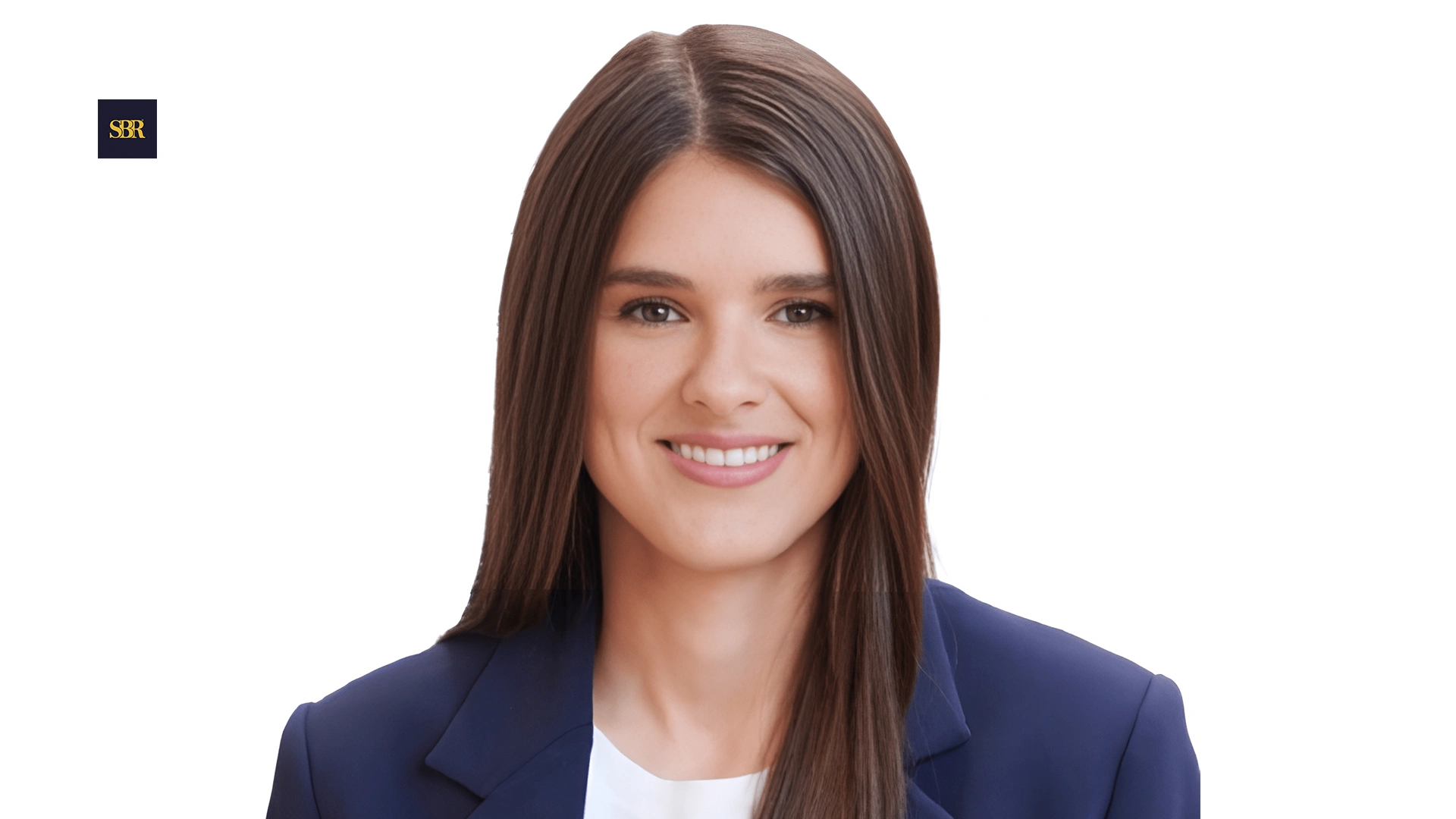
Richard Hollingsworth, Co-Founder & CEO, Fyxer