Dioxycle is a Paris-based CleanTech company developing electrochemical systems that convert carbon dioxide emissions into industrial chemicals used in plastics, textiles and construction materials. Founded in 2021, the company has built proprietary electrolyzer technology that redirects captured carbon dioxide into valuable feedstocks rather than allowing it to enter the atmosphere.
Dioxycle relies on a low temperature electrolyzer that uses water, carbon dioxide and renewable electricity to produce ethylene and related carbon-based molecules. Ethylene is the world’s most widely consumed organic chemical and serves as a building block for products ranging from packaging and polyester fabrics to PVC pipe and automotive components. By sourcing carbon from emissions instead of fossil fuels, Dioxycle introduces recycled carbon into supply chains that have long depended on crude oil and natural gas.
Rebuilding Carbon with Electricity
Traditional ethylene production depends on steam cracking of fossil hydrocarbons, a process that requires high heat and generates substantial greenhouse gas emissions. Dioxycle replaces that thermal route with electrochemical reactions powered by electricity, breaking apart carbon dioxide molecules and reconstructing them into useful industrial compounds. This shift changes both the origin of the carbon and the energy source that drives production.
Within the electrolyzer, carbon oxides pass across catalytic components where electrical energy triggers molecular rearrangement. The resulting ethylene mirrors the chemical properties of conventionally produced material, allowing it to move through existing manufacturing infrastructure without new equipment or altered specifications. Manufacturers can therefore integrate recycled carbon feedstocks into established operations while maintaining product standards.
From Laboratory Validation to Industrial Deployment
Since its founding, Dioxycle has moved from laboratory research to larger scale prototypes designed to validate performance under industrial conditions. Early systems demonstrated that carbon dioxide could be converted into ethylene with a pathway toward higher throughput and commercial relevance. That technical progress attracted investor backing, including support from Breakthrough Energy Ventures Europe and Lowercarbon Capital.
A $17 million Series A financing round supported further research and construction of industrial demonstrators. Alongside its Paris headquarters, the company maintains a presence in the San Francisco Bay Area, drawing on scientific and industrial networks across Europe and the United States as deployment plans take shape. Installing units downstream of manufacturing plants allows carbon dioxide to be captured and converted on site rather than transported elsewhere for processing.
Displacing Fossil-Based Feedstocks
Ethylene production accounts for a significant share of global petrochemical output because the molecule underpins a wide range of everyday goods. By producing ethylene from recycled carbon, Dioxycle targets one of the largest segments of the chemical sector. Carbon atoms embedded in the final product originate from captured emissions rather than newly extracted fossil reserves, reducing reliance on hydrocarbon feedstocks.
The emissions profile of the resulting chemicals depends on the electricity that powers the electrolyzer. When paired with low carbon or renewable power generation, the system can yield feedstocks with substantially lower associated emissions than traditional petrochemical routes. Alignment between carbon source and energy input determines overall sustainability performance.
Beyond ethylene, the process can generate carbon monoxide and other intermediates used in fuels and additional chemical synthesis pathways. Multiple output streams broaden industrial applications and offer flexibility for producers evaluating alternatives to fossil-based inputs.
Modular Systems for Industrial Integration
Engineering design centers on modular electrolyzer units that can be stacked to increase capacity. This configuration enables deployment at facilities with varying emission volumes and allows production to scale according to available carbon dioxide streams and required output levels rather than depending on a single centralized facility.
Locating conversion systems close to emission sources shortens supply chains and reduces the need for long distance carbon transport. Manufacturers can integrate carbon reuse directly into production cycles, reframing emissions as a resource instead of a byproduct.
Industrial producers face mounting expectations to lower greenhouse gas emissions and reduce fossil fuel dependence, and carbon utilization offers one pathway toward that objective. By redirecting emissions into commercially valuable outputs, companies link environmental priorities with industrial production requirements.
Recycled ethylene produced through the electrolyzer retains the same functional characteristics as conventional material, allowing downstream manufacturers to preserve performance standards while incorporating lower emission inputs. Compatibility with existing infrastructure reduces barriers to adoption and supports integration into established supply chains.
Carbon dioxide has long been treated primarily as an unwanted output of industrial activity. By converting it into a precursor for widely used chemicals, Dioxycle proposes an alternative industrial model in which emissions become feedstock for manufacturing. If deployed at scale, such systems could alter how industries source carbon and account for lifecycle emissions embedded in everyday products.
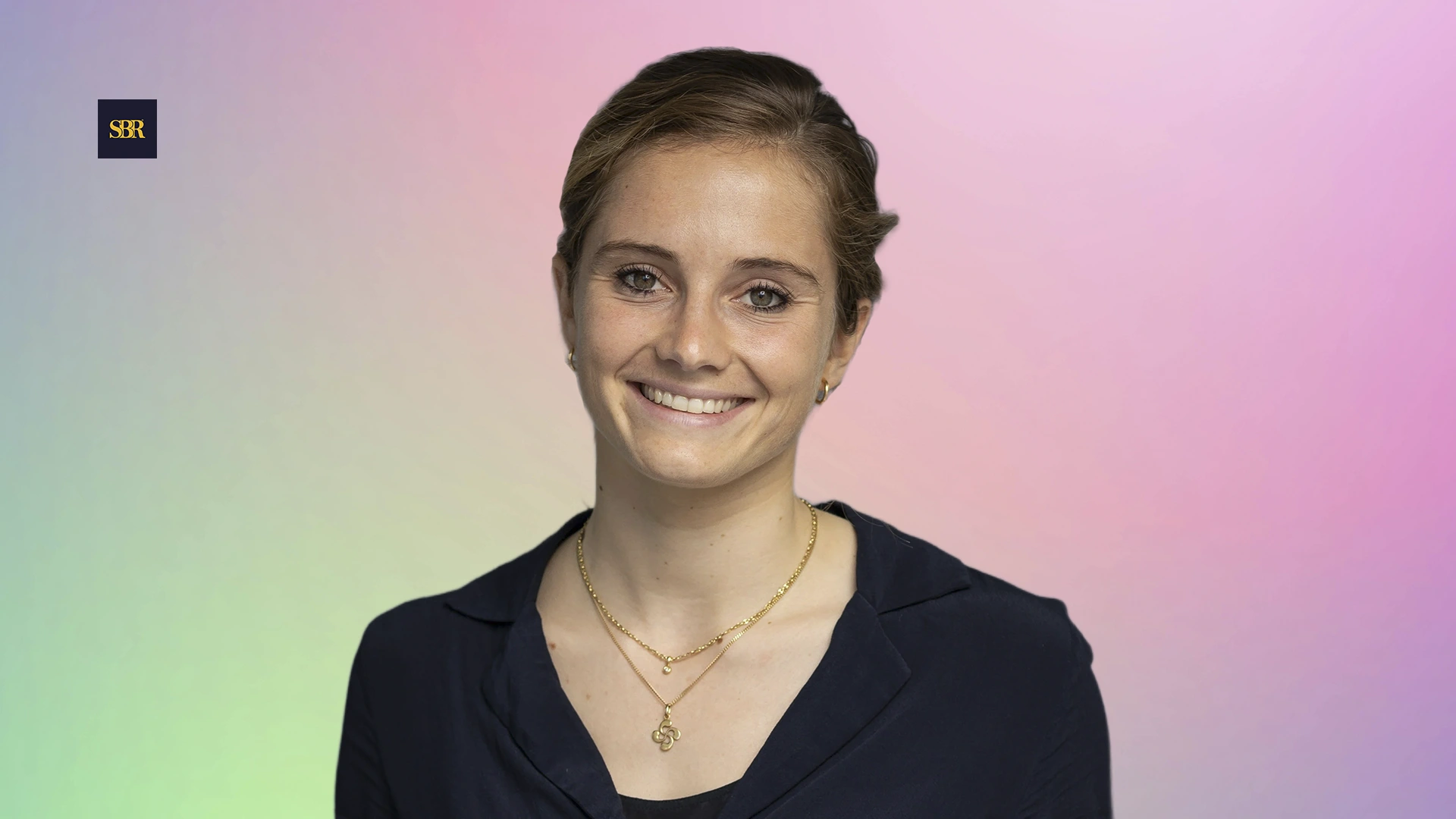
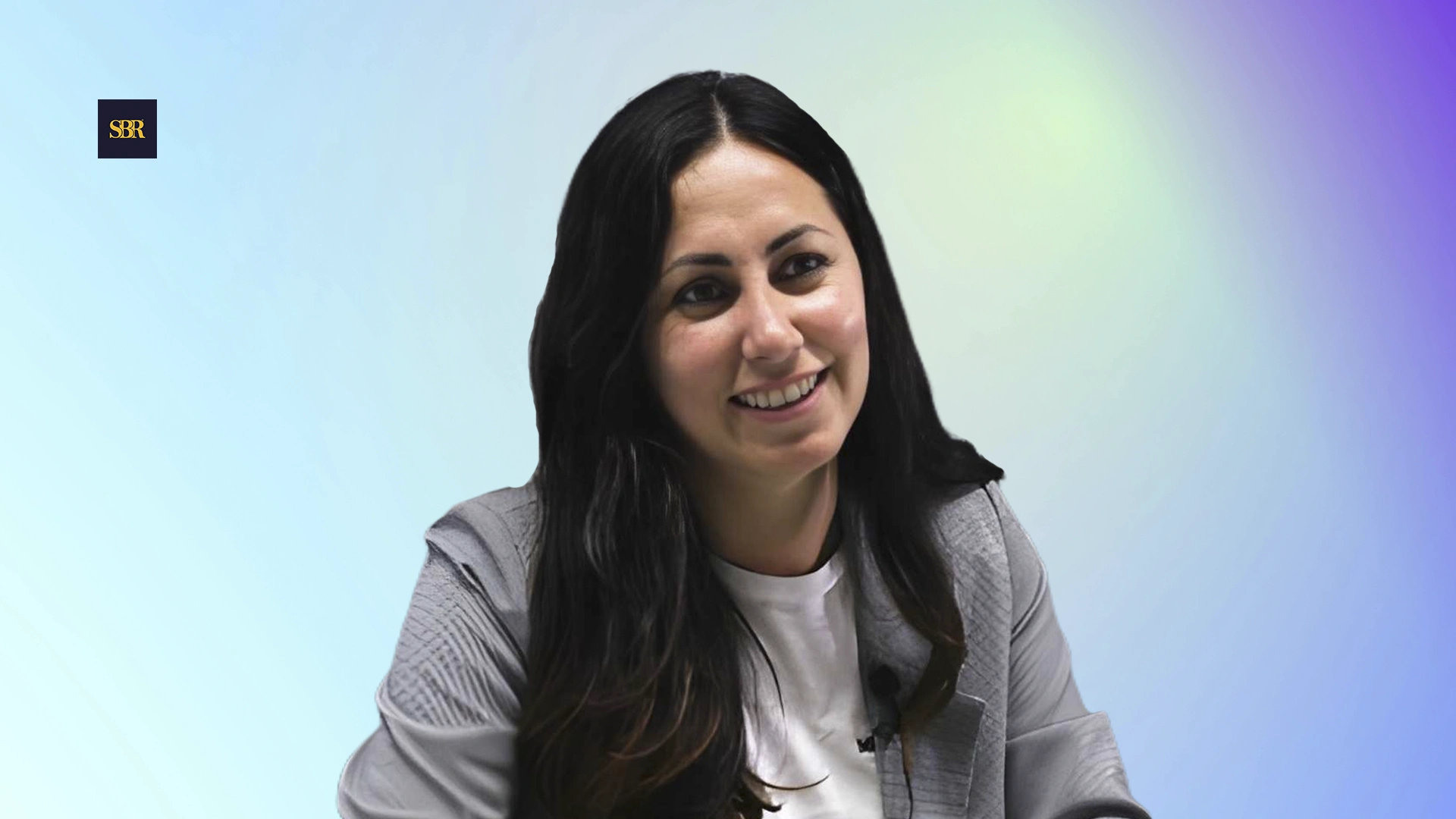
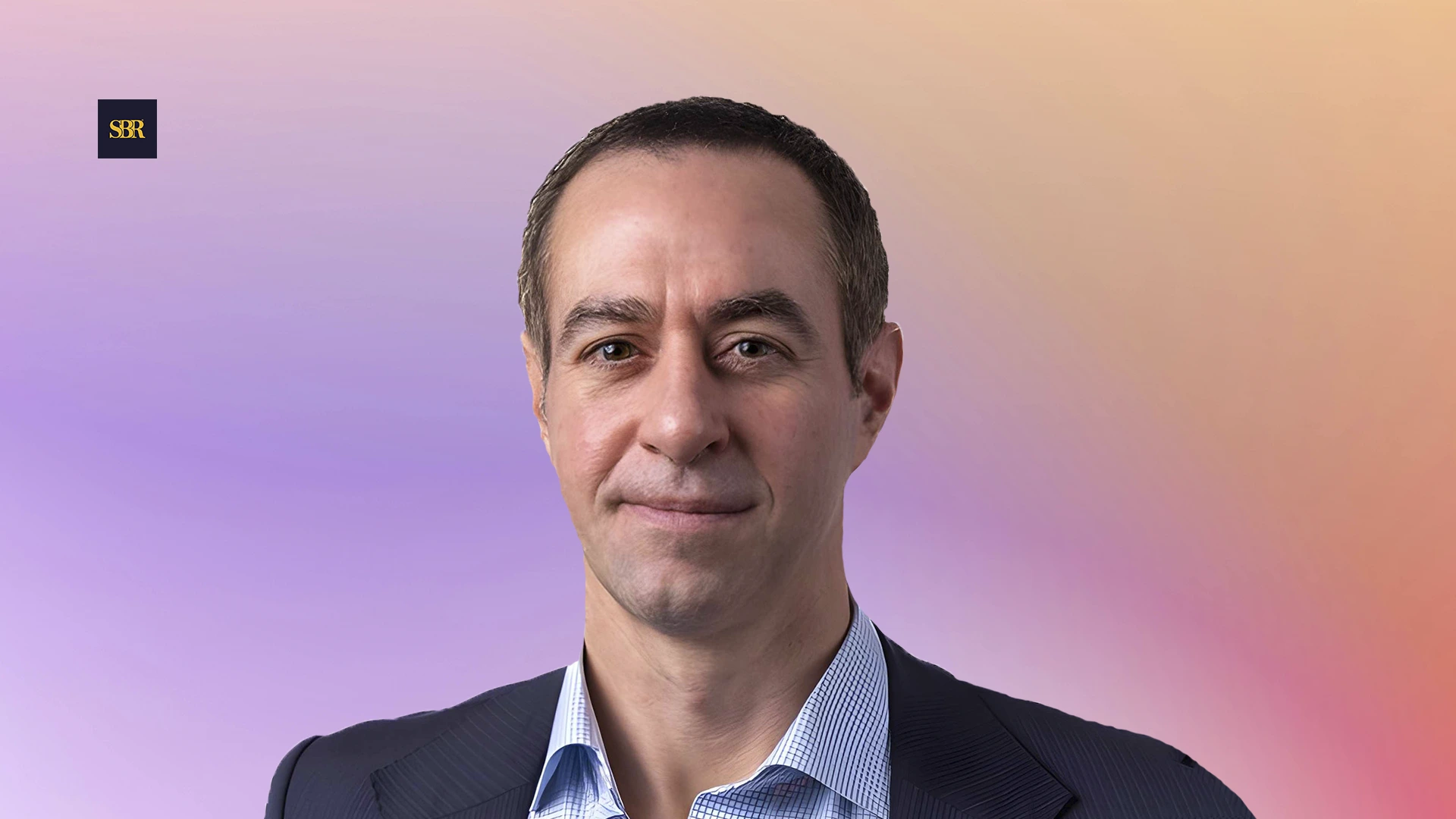
Dr Sarah Lamaison, Co-Founder & CEO, Dioxycle












.webp)