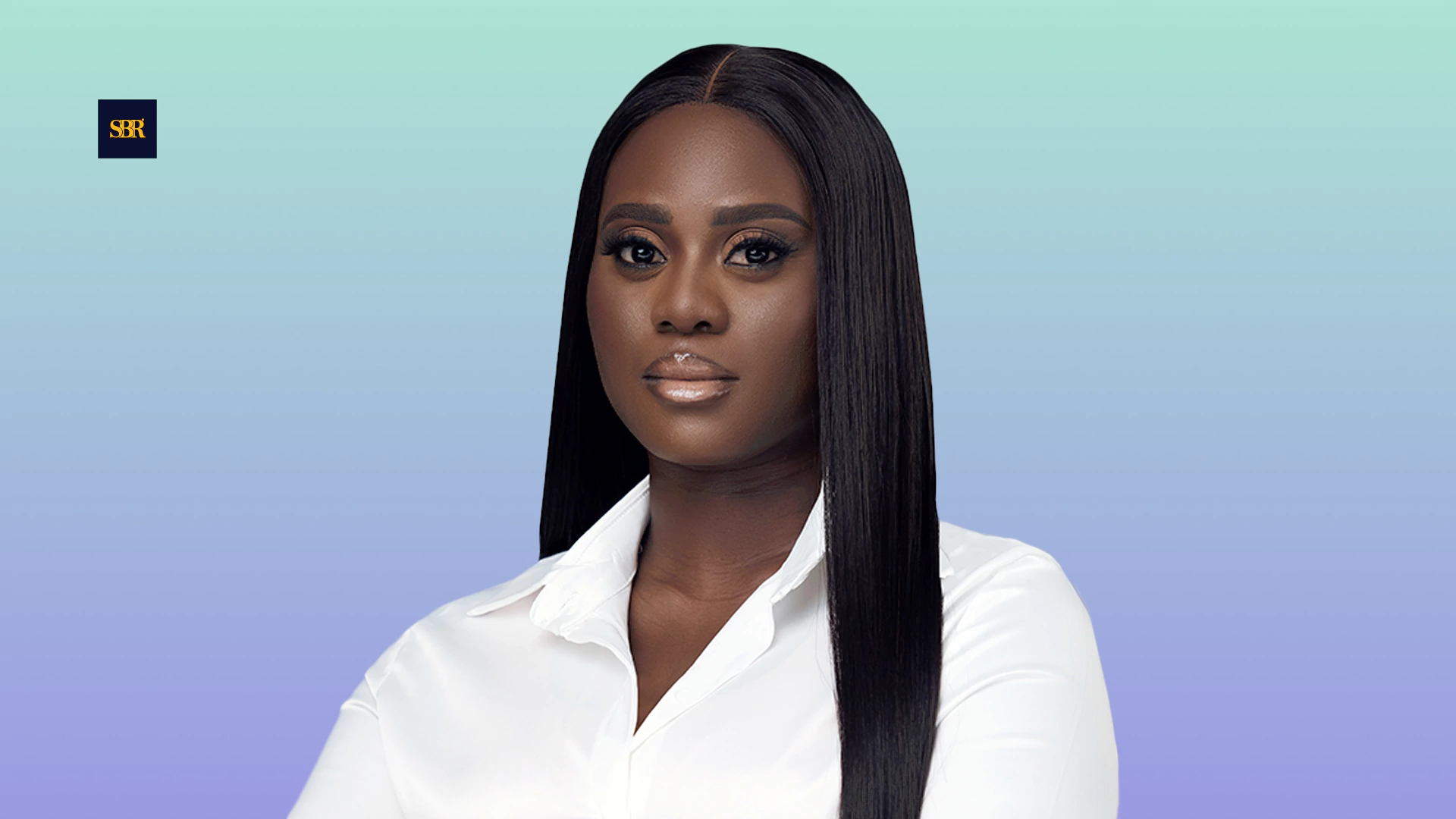
Julie Bornstein is a retail innovator who built her career around understanding how people express themselves through what they buy. She helped shape how consumers shop online, leading digital strategy at Sephora and Nordstrom when e-commerce was still taking form. Later, as Chief Operating Officer at Stitch Fix, she helped turn personalized shopping into a mainstream experience that changed the way people connect with fashion.
Those years gave her a rare view of how online shopping evolved and why it still frustrates so many. The internet made it easy to buy but not easy to find what people truly wanted. Pages of filters and product grids made shopping feel mechanical instead of meaningful. That gap between convenience and discovery stayed with her.
After Pinterest acquired her first startup, The Yes, she wanted to start fresh with everything she had learned. That next step became Daydream, a company built to make shopping feel more natural, more human, and more connected to personal taste.
What Problem is Daydream Solving
Online shopping today feels efficient but rarely personal. People spend hours searching, scrolling, and second-guessing, even though the technology behind retail has never been more advanced. Julie realized the problem was not access to choice but the experience of finding something that fits who you are.
Daydream rethinks that experience by replacing search bars and filters with conversation. A shopper can describe what they want in plain language, ask questions, or even upload an image for reference. The system understands context, occasion, and preference. Instead of overwhelming people with options, it listens, interprets, and curates.
This shift turns discovery into a dialogue. Julie believes technology should not dictate what to buy but should understand why someone wants it. Daydream blends AI with intuition, helping people find clothing that feels right rather than just looks right. It learns taste patterns, adapts with every interaction, and helps build confidence in choices.
How Daydream Works
Technology Meets Taste: Daydream uses advanced artificial intelligence to bring human sensibility to digital shopping. It combines computer vision, large language models, and years of fashion experience to understand how people talk about style. Over time, it builds what the team calls a “style passport,” a living profile that evolves with each conversation and purchase. The goal is to create an assistant that feels like a stylist who knows your preferences, remembers your choices, and keeps improving with every visit.
From Concept to Catalog: Instead of holding inventory, Daydream connects shoppers directly to thousands of brands and retailers. That model allows the platform to offer millions of products across fashion categories without becoming another marketplace. The focus stays on discovery, not logistics. The interface feels less like browsing a database and more like talking to someone who knows what you mean when you say you want “something relaxed but polished” or “a dress that works for a city summer.”
Each interaction refines how the system understands color, fabric, silhouette, and personal tone. The result is a curated experience that saves time while still leaving room for surprise.
Why Now Matters
Julie has always been early to the moments when technology changes retail. She helped bring beauty online when e-commerce was uncertain, made personalization mainstream at Stitch Fix, and now sees conversational AI as the next major step. She believes people are ready for technology that feels less mechanical and more intuitive, where discovery is as enjoyable as the purchase itself.
Artificial intelligence has matured at the right time. Consumers are overwhelmed by endless choice and expect smarter ways to find what they like. Daydream enters that space with a product that listens instead of instructs. The company’s seed funding of fifty million dollars signals how strongly investors believe in both the idea and the person behind it.
Julie approaches this new venture with a balance of creativity and discipline. She knows the excitement of innovation must be matched by operational clarity. Her background across large retailers and startups gives her both structure and speed, which helps Daydream scale thoughtfully.
For her, fashion has always been about self-expression. Daydream extends that belief into the digital space, where technology helps people express who they are rather than reduce them to data points.
What Comes Next
Daydream is still young but already building momentum. Julie is focused on deepening brand partnerships, improving the conversational interface, and expanding beyond fashion into lifestyle and wellness categories. She wants the platform to evolve naturally, guided by how people use it rather than by rigid roadmaps.
She also understands that growth is not only about numbers. For her, success means creating something that feels alive, where every interaction builds trust between technology and the person using it. The company’s culture reflects that mindset, blending the curiosity of a startup with the steadiness of seasoned leadership.
Julie’s own leadership style mirrors Daydream’s philosophy. She values clear communication, shared ownership, and thoughtful progress over quick wins. Her team describes her as someone who listens first and decides with purpose. That approach helps her attract talent that believes in the long game of changing how people shop.
Daydream is not just another AI experiment in retail. It represents everything Julie has learned through decades in the industry, shaped by both failures and breakthroughs and guided by her belief that shopping can feel human again. She has seen trends rise and fall but has stayed focused on what people truly want from technology, which is help that feels personal, tools that save time, and experiences that make sense.
Julie Bornstein has built her career by seeing what others overlook. With Daydream, she is turning that vision into a movement where technology understands personal style instead of just tracking it. That idea could redefine the future of fashion and shape the next era of how people connect desire with discovery.