
Talkpal is a language learning platform that uses conversational artificial intelligence to help users practice speaking, expand vocabulary and build real world communication skills. Rather than relying on static exercises or prerecorded dialogues, the app engages learners in interactive chat that mirrors natural conversation. Users can practice multiple languages by conversing with AI powered avatars that simulate realistic dialogue, respond to questions and offer corrections that support fluency development. The design reflects a shift in digital education toward more interactive, user centric tools that make language practice feel like talking with another person rather than completing rote tasks.
The platform supports several major languages and offers learning modules that address vocabulary, grammar and pronunciation. Users begin by choosing a language and setting skill objectives, which can range from basic survival phrases to advanced conversational competence. As the dialogue unfolds, the AI tracks user responses and offers suggestions that reflect more native like phrasing. Because conversation flows back and forth, learners encounter unexpected questions and replies that test comprehension and encourage improvisation, which can build confidence and comfort in speaking.
Unlike traditional language apps that present lists of vocabulary and fill in the blank tests, Talkpal focuses on conversation as its primary method of learning. The system prompts users to answer questions, describe experiences and respond to scenarios that are similar to real life interactions. This dialogue-oriented design gives users exposure to contextualized language use, rather than isolated sentences that may not reflect how people actually communicate.
How AI Powers Dialogue and Feedback
Talkpal uses large language models that have been trained on extensive multilingual datasets so that the system can generate responses, ask follow up questions and maintain coherent conversation threads. When a user speaks or types, the app interprets the input and produces a reply that fits the context of the exchange. This dynamic interaction gives learners a sense of conversation flow that is closer to speaking with another person than following a script. The system also tracks errors and suggests corrections that help users refine pronunciation and sentence structure over time.
To support listening comprehension, the app can deliver dialogues in spoken form as well as text. Users hear how words are pronounced and then respond verbally or in writing. The platform offers immediate feedback on pronunciation and usage, which allows learners to recognize patterns that they might not notice when learning on their own. Because the conversation is spontaneous rather than predetermined, users encounter language that is shaped by the exchange rather than by a fixed lesson.
Integrations into device microphones and text input methods allow users to interact in whatever way feels most comfortable. The app adapts to speech or typed responses and continues the dialogue without interrupting the flow of conversation. By making interaction feel fluid, Talkpal encourages frequent practice without the intimidation of live human partners, especially for learners who may feel self-conscious about mistakes.
Personalization and Progress Tracking
Talkpal tracks user progress over time, showing how often users engage with the app and how their vocabulary and fluency develop through repeated practice. After each session, the app offers summaries of new words encountered, errors corrected and conversational topics covered. These summaries give learners insight into patterns that have emerged during practice, which helps them focus on areas that require further attention.
Users can set personal milestones such as achieving a certain number of conversational hours or mastering specific categories of vocabulary. Because the system tailors feedback to individual performance, practice sessions evolve as users build familiarity with different structures. This personalized progression helps sustain motivation over the long term by showing users measurable gains rather than abstract lesson counts.
The app also offers topic-based modules that reflect common real-world situations. Examples include greetings, ordering food, travel related questions and storytelling about personal experiences. By engaging with these scenarios, learners practice phrases and sentence structures that are functional outside of memorization drills. These contextualized modules support real life readiness and help users connect language practice to situations they may encounter beyond the screen.
Global Reach and Accessibility
Talkpal’s user base spans multiple countries and age groups, reflecting broad interest in language learning without barriers of time zones or classroom schedules. The platform is available on mobile devices, making it easy for users to practice during commutes, breaks or any moment they can spare for conversation. This accessibility removes limitations that come with scheduled classes or geographic proximity to instructors.
Reviews from users highlight that conversational practice with AI feels more engaging than completing repetitive drills. Many learners note that the ability to simulate dialogue without embarrassment encourages them to practice more frequently, which can lead to steadier gains in confidence and familiarity with the language. Because the platform supports multiple entry points for responses, including spoken and written interaction, learners can choose the mode that best suits their comfort level.
Parents and educators also use Talkpal to supplement classroom instruction or home study, giving students extra opportunities to practice vocabulary and syntax in ways that mirror spoken language. This supplemental use can reinforce what learners study elsewhere, adding repetition and exposure without requiring additional instructors.
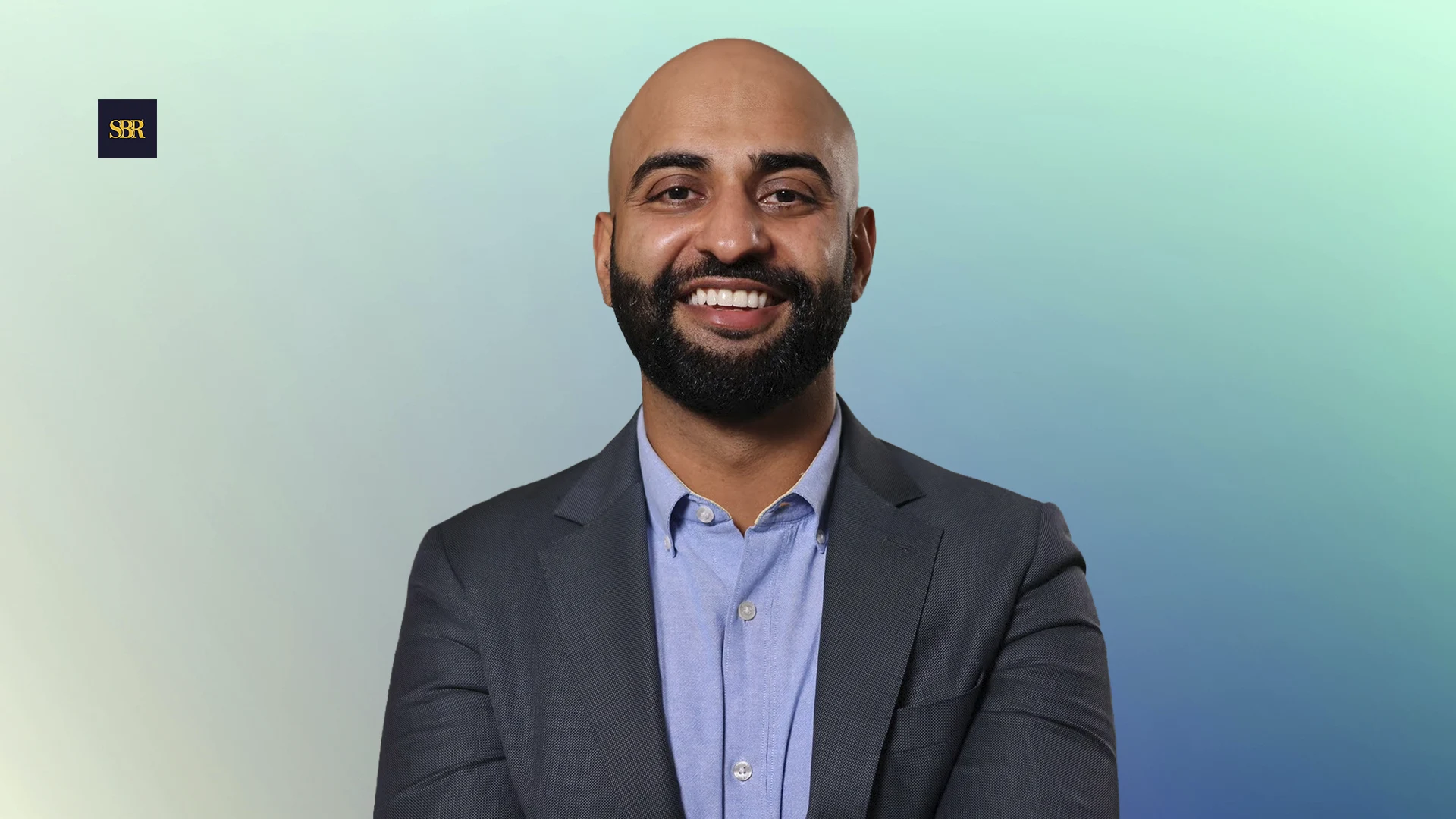
David Gegechkori, Co-Founder, Talkpal















.webp)