Residential solar has long been associated with high upfront costs and technical complexity. For many households, installation required significant investment, along with decisions about equipment, maintenance, and long-term performance. Enpal changes this dynamic by offering a model that removes these barriers and makes solar energy more accessible.
Founded in Germany, Enpal provides solar systems through a subscription-based model, allowing households to install solar panels without large initial payments. This structure lowers the entry threshold, enabling more homeowners to adopt solar energy without financial strain.
The offering extends beyond installation. Customers receive a complete system that includes solar panels, inverters, and optional battery storage. By packaging these elements into a single service, Enpal simplifies the process of switching to solar energy.
This model also aligns with changing energy needs. As electricity prices fluctuate and demand grows, households are seeking greater control over their energy consumption. Solar systems provide a way to generate power locally, reducing reliance on external sources.
Through its model, Enpal turns solar adoption into a service rather than a one-time purchase. This allows households to access renewable energy without navigating the complexities traditionally associated with installation and ownership.
A Fully Integrated Home Energy System
Enpal’s offering extends beyond solar panels. It delivers a complete home energy system designed to manage generation, storage, and consumption in a coordinated way.
Solar panels capture energy during the day, while battery storage allows households to use that energy later when sunlight is not available. This reduces dependence on the grid and increases the share of self-generated electricity used within the home.
The system also includes an energy management platform that monitors production and consumption in real time. This allows users to track how much energy they generate, store, and use, providing greater visibility into household energy patterns.
Electric vehicle charging is another element of the system. Enpal integrates charging solutions that allow homeowners to power vehicles using their own solar energy. This extends the benefits of renewable energy beyond the home, linking it to transportation.
By connecting these components, the company creates a unified system where energy flows are managed efficiently. Generation, storage, and usage are no longer separate processes but part of a coordinated structure that supports everyday energy needs.
Simplifying Installation and Ownership
One of the main challenges in adopting solar energy has been the complexity of installation and system management. Enpal addresses this by handling the entire process, from initial consultation to installation and maintenance.
The company manages site assessment, system design, and installation, ensuring that each setup is tailored to the specific requirements of the household. This reduces the need for customers to coordinate multiple providers or manage technical details.
Maintenance and monitoring are included within the service. Systems are continuously monitored to ensure they operate efficiently, and any issues are addressed as part of the subscription. This removes the burden of upkeep from the homeowner.
Ownership structures also differ from traditional models. Instead of purchasing equipment outright, customers access solar systems through a long-term contract. This shifts the financial model from capital expenditure to a predictable monthly cost.
This structure aligns with how many consumers prefer to access services. Rather than making large upfront investments, they can use a subscription model that spreads costs over time while providing ongoing support.
Expanding the Role of Distributed Energy
Enpal’s model reflects a broader movement toward distributed energy systems. Instead of relying solely on centralized power generation, households generate and manage their own electricity.
This change alters how energy flows through the system. Homes become active participants rather than passive consumers, contributing to a more decentralized energy structure.
Battery storage plays a key role in this development. By storing excess energy, households can reduce reliance on the grid during peak periods. This also supports grid stability by smoothing fluctuations in supply and demand.
The integration of electric vehicles adds another dimension. Vehicles become part of the energy system, drawing power from solar installations and potentially feeding energy back into the home or grid in the future.
These developments create a more interconnected energy environment. Homes, vehicles, and infrastructure operate as part of a broader system where energy is generated, stored, and used across multiple points.
A New Model for Household Energy
Enpal’s work illustrates how residential energy systems are evolving. By turning solar adoption into a service, it removes many of the barriers that have limited uptake in the past.
The integration of generation, storage, and management creates a system that aligns with modern energy needs. Households gain greater control over how they produce and use electricity, while reducing dependence on external providers.
This model also supports broader energy transitions. As more households adopt solar systems, the overall energy mix becomes more diversified. Distributed generation contributes to a more resilient and flexible system.
At the same time, the subscription structure changes how energy infrastructure is financed. It allows more people to access renewable energy without requiring significant upfront investment, expanding adoption across different segments of the population.
Enpal’s development reflects a shift in how energy is delivered and consumed. Instead of relying solely on centralized systems, households become part of a distributed network where energy is generated locally and used efficiently.
Through this, residential solar moves from a niche option to a widely accessible solution. It becomes part of everyday life, integrated into homes and connected to broader energy systems.
As this model expands, it reshapes expectations around energy use. Households gain greater visibility into their consumption, more control over their costs, and a direct connection to the energy they generate.
This progression introduces a different way of thinking about energy. It is no longer only something delivered from distant sources. It is something produced, managed, and used within the home, supported by systems that make this process accessible and efficient.
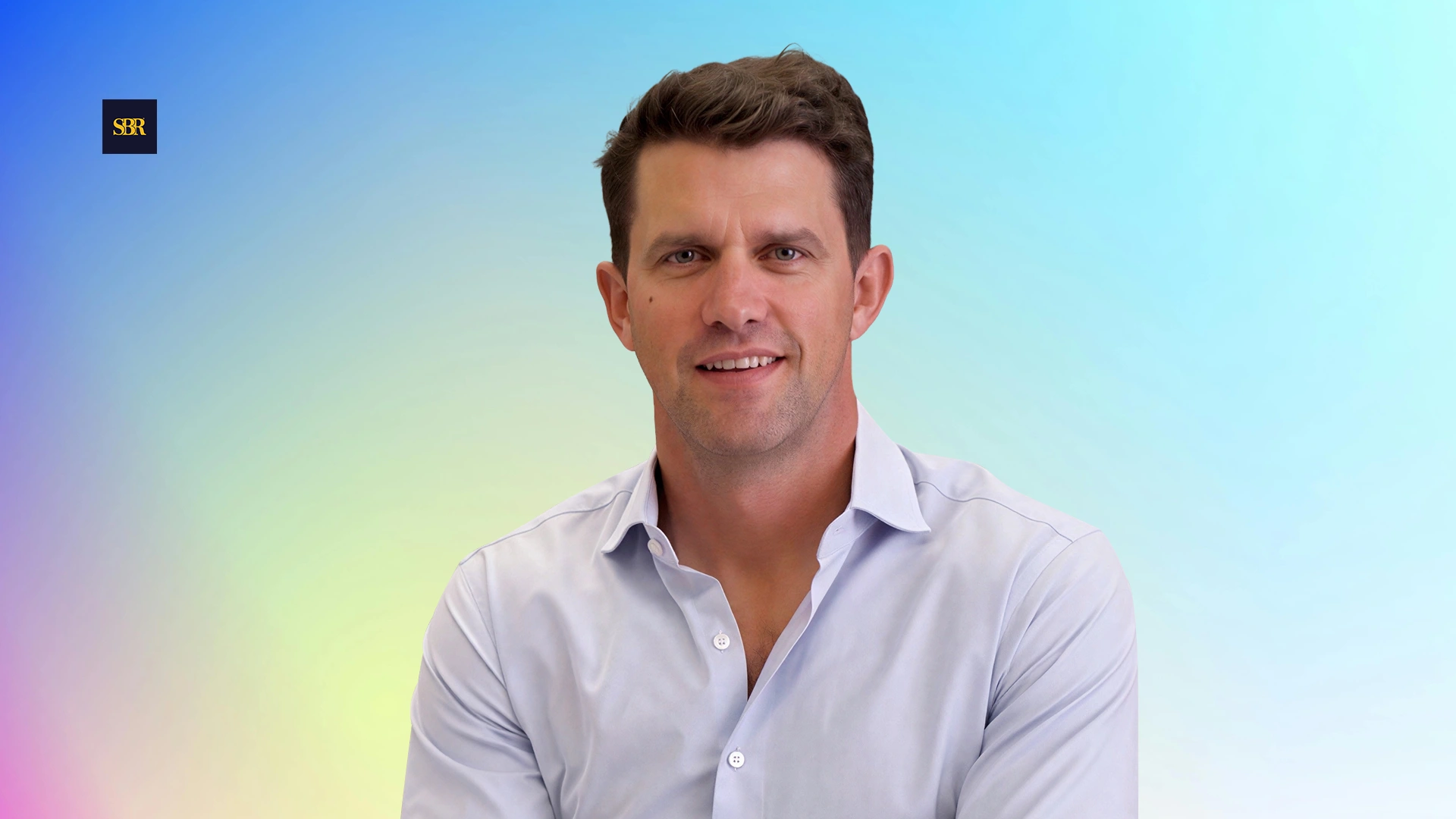
Mario Kohle, Founder, Enpal