Energy storage plays a defining role in modern electrification. From electric transport to renewable power systems and digital infrastructure, the need to store and deliver energy efficiently continues to grow. Yet traditional battery technologies face limitations, particularly when rapid charging, high power output, and long lifecycles are required.
Skeleton Technologies addresses this challenge by focusing on high-power energy storage rather than conventional energy storage alone. Founded in 2009, the company develops ultracapacitors and hybrid technologies designed to deliver energy quickly and reliably across demanding applications.
This distinction matters. While batteries store large amounts of energy for extended use, ultracapacitors excel in delivering bursts of power almost instantly. This capability opens new possibilities in systems where speed, durability, and efficiency matter as much as capacity.
The company operates across sectors, including automotive, transportation, grid infrastructure, and industrial systems. Its work reflects a broader need to rethink how energy is stored and delivered, particularly in environments where rapid response and high reliability define performance.
Graphene-Based Technology and Ultracapacitor Performance
Skeleton Technologies builds its products on ultracapacitor technology, also known as supercapacitors. These devices store energy in an electric field rather than through chemical reactions, which allows for extremely fast charging and discharging.
Ultracapacitors can charge in seconds, deliver high power output, and last for more than one million charge cycles. This makes them well-suited for applications that require frequent energy bursts, such as regenerative braking, grid stabilization, and industrial machinery.
A defining feature of Skeleton’s technology is its use of a proprietary material known as curved graphene. This nanostructured carbon material increases surface area and conductivity, enabling higher power density and efficiency compared with traditional materials.
This material innovation extends across the company’s product range, from individual cells to full energy storage systems. The performance gains are not limited to speed. Lower internal resistance improves efficiency, while the durability of the material supports long operational lifetimes.
The company also develops hybrid solutions such as SuperBatteries, which bridge the gap between ultracapacitors and conventional batteries. These systems provide higher energy density than traditional capacitors while retaining fast charging capabilities, offering flexibility across different use cases.
From Components to Integrated Energy Systems
Skeleton Technologies operates across the full value chain of energy storage. It develops raw materials, manufactures cells, and builds modules and systems that integrate into larger applications.
This vertical integration allows tighter control over performance and quality. From curved graphene production to final system assembly, each stage contributes to the overall capability of the technology.
The company’s product portfolio includes supercapacitor cells, modules, and complete energy storage systems designed for industrial and infrastructure use. These systems deliver megawatts of power within milliseconds, supporting applications such as voltage stabilization and backup power.
Modular design plays a key role in deployment. Systems can be configured to meet specific requirements, whether for grid infrastructure, transportation, or industrial facilities. This flexibility allows customers to scale installations based on operational needs.
Manufacturing is spread across Europe, with facilities dedicated to different stages of production. Locations in Estonia and Germany support development and large-scale manufacturing, including one of the largest supercapacitor production facilities in the region.
This industrial footprint reflects the scale at which the company operates. By producing both materials and finished systems, it supports a wide range of applications while maintaining consistency in performance.
Enabling Electrification Across Industries
The relevance of high-power energy storage becomes more evident as industries move toward electrification. Electric vehicles, renewable energy systems, and digital infrastructure all require energy solutions that respond quickly and operate reliably.
In transportation, ultracapacitors support functions such as energy recovery and acceleration. They capture energy during braking and release it when needed, improving efficiency and reducing wear on traditional batteries.
In grid systems, these technologies help maintain stability by balancing fluctuations in supply and demand. They provide rapid response to changes in frequency and voltage, supporting the integration of renewable energy sources.
Industrial applications also benefit from high-power storage. Machinery and infrastructure often require short bursts of energy that exceed what batteries can deliver efficiently. Ultracapacitors meet this need while reducing energy losses and improving system performance.
The rise of data centers introduces another dimension. High-performance computing systems, particularly those supporting artificial intelligence, create fluctuating power demands. These solutions address such variations by storing energy during low usage and releasing it during peak demand, improving efficiency and reducing wasted energy.
Across these sectors, the same principle applies. Energy systems must respond quickly, operate reliably, and maintain efficiency over long periods. High-power storage technologies provide a way to meet these requirements without relying solely on conventional batteries.
Building the Future of Energy Infrastructure
Skeleton Technologies reflects a broader transition in how energy systems are designed. Instead of relying on a single type of storage, modern infrastructure uses multiple technologies, each suited to a specific function.
Ultracapacitors play a distinct role within this system. They handle rapid energy exchange, support stability, and extend the lifespan of other components by reducing strain on batteries.
This layered structure allows energy systems to operate more efficiently. Batteries provide long-term storage, while ultracapacitors deliver immediate power when needed. Together, they create a more balanced and resilient system.
The company’s focus on materials science, manufacturing, and system integration supports this transition. By developing technologies that operate across different scales, it contributes to a broader rethinking of energy infrastructure.
Sustainability also plays a role. The use of materials that avoid critical metals such as cobalt and nickel reduces reliance on constrained resources. At the same time, improved efficiency lowers overall energy consumption across applications.
As electrification continues across industries, the need for high-performance energy storage grows alongside it. Systems must handle greater loads, respond faster, and operate under more demanding conditions.
Skeleton Technologies addresses these requirements through a focus on power, durability, and efficiency. Its work shows that energy storage is not only about capacity but also about how quickly and effectively energy can be delivered.
This perspective introduces a different way of thinking about energy systems. Instead of optimizing for a single metric, it considers performance across multiple dimensions, from speed and efficiency to lifecycle and reliability.
In this context, high-power energy storage becomes a critical component of modern infrastructure. It supports the systems that drive transportation, industry, and digital networks, enabling them to operate with greater precision and resilience.
As these systems expand, the role of technologies such as ultracapacitors continues to grow. They provide the responsiveness required for a more electrified world, where energy must move as efficiently as the systems it powers.
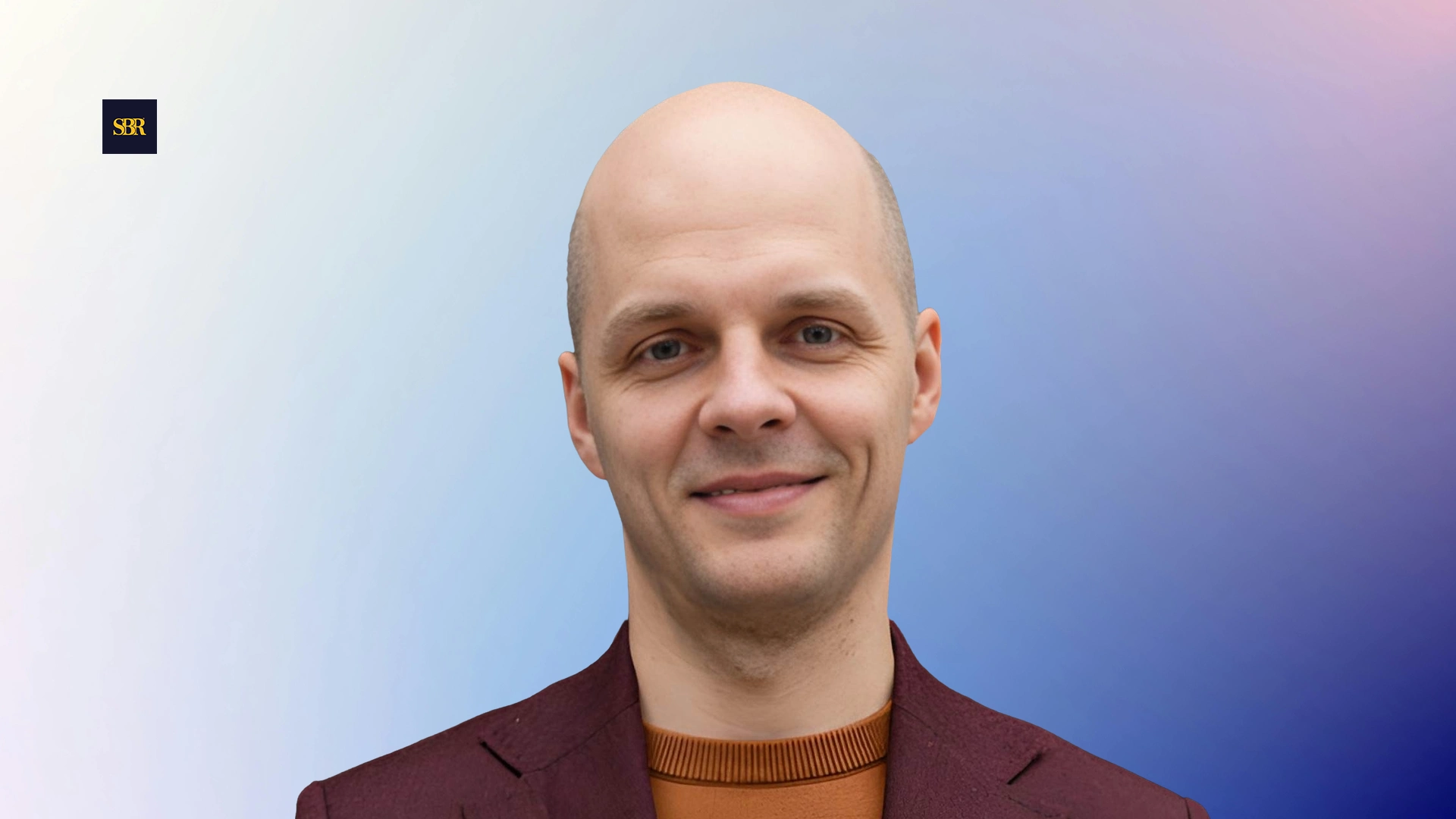
Taavi Madiberk, Co-Founder & CEO, Skeleton Technologies