Many cyclists dislike dealing with insurance. Long contracts, confusing terms, slow claims, and endless paperwork have frustrated riders for years. Most people accepted those problems because few alternatives existed. Laka entered the cycling sector with a different idea. Instead of charging fixed annual premiums, Laka spreads claim costs across a collective of riders. Monthly payments can change depending on claims made during that month, though every rider has a maximum cap. When fewer claims happen, riders pay less.
Founded in 2017, the company quickly attracted cyclists searching for flexible coverage without yearly contracts. Laka now offers protection for theft, crash damage, travel, racing, and roadside assistance. Cover extends across several categories, including road bikes, commuter bikes, gravel bikes, mountain bikes, and e-bikes. Cycling has changed dramatically during the past decade. Many bicycles now cost several thousand pounds. Riders also spend heavily on wheels, GPS computers, helmets, power meters, clothing, and custom upgrades. Theft remains a major concern in many cities, while crash damage can leave cyclists facing expensive repair bills. Against that backdrop, Laka built a reputation for flexible cover and faster claims handling. Many cyclists describe the company as easier to deal with than traditional insurers.
Shared Monthly Pricing for Cyclists
Most insurance companies charge fixed yearly premiums based on estimated risk. Customers pay the same amount whether claims remain low or extremely high. Laka uses a different structure. Every rider contributes toward the total cost of claims made during that month. Each person has a monthly payment limit, so charges never pass a fixed maximum amount. If fewer claims happen, riders receive lower monthly costs. The company believes this creates a fairer system. Riders only contribute toward real claims rather than large estimated calculations made far in advance. This structure also encourages honesty because fraudulent claims increase costs for everyone inside the collective.
Some cyclists initially hesitate because variable pricing feels unfamiliar. Many riders remain used to adding bikes onto household insurance policies instead. Supporters of the collective structure argue that the relationship between insurer and rider feels more balanced. Traditional insurers often profit when fewer claims receive approval. Laka promotes a system where both sides benefit from fair claims handling and responsible riding habits. That difference became part of the company’s identity. Marketing material focuses heavily on fairness, flexibility, and cyclist participation rather than traditional insurance language.
Flexible Cover Without Yearly Contracts
Yearly contracts frustrate many cyclists because riding habits often change throughout the year. Some people ride daily during the summer and much less during winter. Others only need racing or travel cover during specific events. Laka allows riders to change cover when circumstances change. Customers can upgrade, downgrade, pause, or modify policies without long-term lock-ins. This flexibility appeals strongly to cyclists who own several bikes. One household may include a commuter bike, road bike, cargo bike, gravel bike, and electric bicycle. Laka also offers discounts for additional family bikes.
Travel and racing options widen the company’s appeal beyond casual riders. Cover can include sportives, triathlons, gravel races, time trials, and licensed racing, depending on the selected plan. Worldwide travel protection also appeals to cyclists attending overseas events or training camps. Another feature that attracts cyclists involves replacement value. Some insurers reduce payouts according to the age of the bicycle or its accessories. Laka states that replacements match current equivalents instead. The company also advertises zero excess on bike claims. Those details matter greatly for owners of premium bikes. Modern bicycles often include expensive electronic groupsets, carbon wheelsets, integrated cockpits, and custom components. Replacing damaged equipment after a crash can become extremely expensive without specialist cover.
Claims Managed by Cycling Specialists
Claims handling often determines whether customers remain loyal to an insurer. Many cyclists complain that traditional insurance companies lack knowledge about modern bicycles and cycling equipment. Laka built much of its reputation around cycling-specific support. The company states that claims receive handling from people familiar with bicycles, components, and riding culture. Cyclists discussing the company online often mention fast responses and smoother communication. Riders have shared stories involving cracked carbon frames, crash damage, and stolen bikes receiving quick attention and straightforward handling.
Some customers also mention flexibility regarding replacement choices and upgraded equipment. Several cyclists reported receiving cash settlements or replacement bikes without lengthy disputes. Not every experience remains positive. Some riders have described frustration after claims were denied because of storage rules or security requirements written into policy terms. That situation exists across the insurance sector. Claim outcomes often depend on policy wording, security compliance, documentation, and storage conditions. Cyclists still need to read the terms carefully before purchasing cover. Even so, many riders view Laka as more cyclist-focused than traditional insurers. Positive discussions surrounding claims handling helped strengthen the company’s reputation within the cycling community.
Expansion Beyond Bicycle Theft Cover
Laka started with bicycle insurance, though the company now offers additional protection for riders. Services include accident cover, legal support, and third-party liability protection. Liability cover matters particularly for urban cyclists. Serious collisions involving pedestrians, vehicles, or property damage can create major financial exposure. Laka states that liability cover reaches up to £2 million while cycling. The company also expanded through partnerships and acquisitions connected to the cycling industry. Relationships with independent bicycle retailers widened visibility across the United Kingdom cycling sector.
Cycling itself continues evolving rapidly. E-bikes now occupy a large segment of urban transport. Cargo bikes support families and delivery riders. Gravel cycling has become hugely popular. Premium bicycles regularly cost more than used cars. Those changes created demand for specialist insurance built specifically for cyclists. Standard household insurance often fails to cover racing, overseas travel, expensive upgrades, or high-value e-bikes properly. Laka built much of its identity around serving those newer categories of riders. Company branding also differs sharply from traditional insurers. Marketing material uses cyclist-focused language and community-driven messaging rather than corporate insurance jargon. That style appeals strongly to younger riders and enthusiasts who view bicycles as serious investments rather than occasional transport. The company’s growth shows how bicycle insurance has changed during recent years. Cycling now overlaps with fitness, commuting, technology, sustainability, and travel. Riders expect digital services, flexible pricing, and specialist support instead of slow paperwork and outdated call centres. Through collective pricing, flexible membership, and cycling-focused claims handling, Laka created a distinct identity within the insurance sector. Many cyclists searching for alternatives to traditional insurance have responded positively. For owners of expensive bicycles and equipment, insurance now extends far beyond theft protection alone. Riders want cover that reflects how they travel, commute, race, train, and store their bikes. Laka built the business around those expectations, and many cyclists appear receptive to that idea.
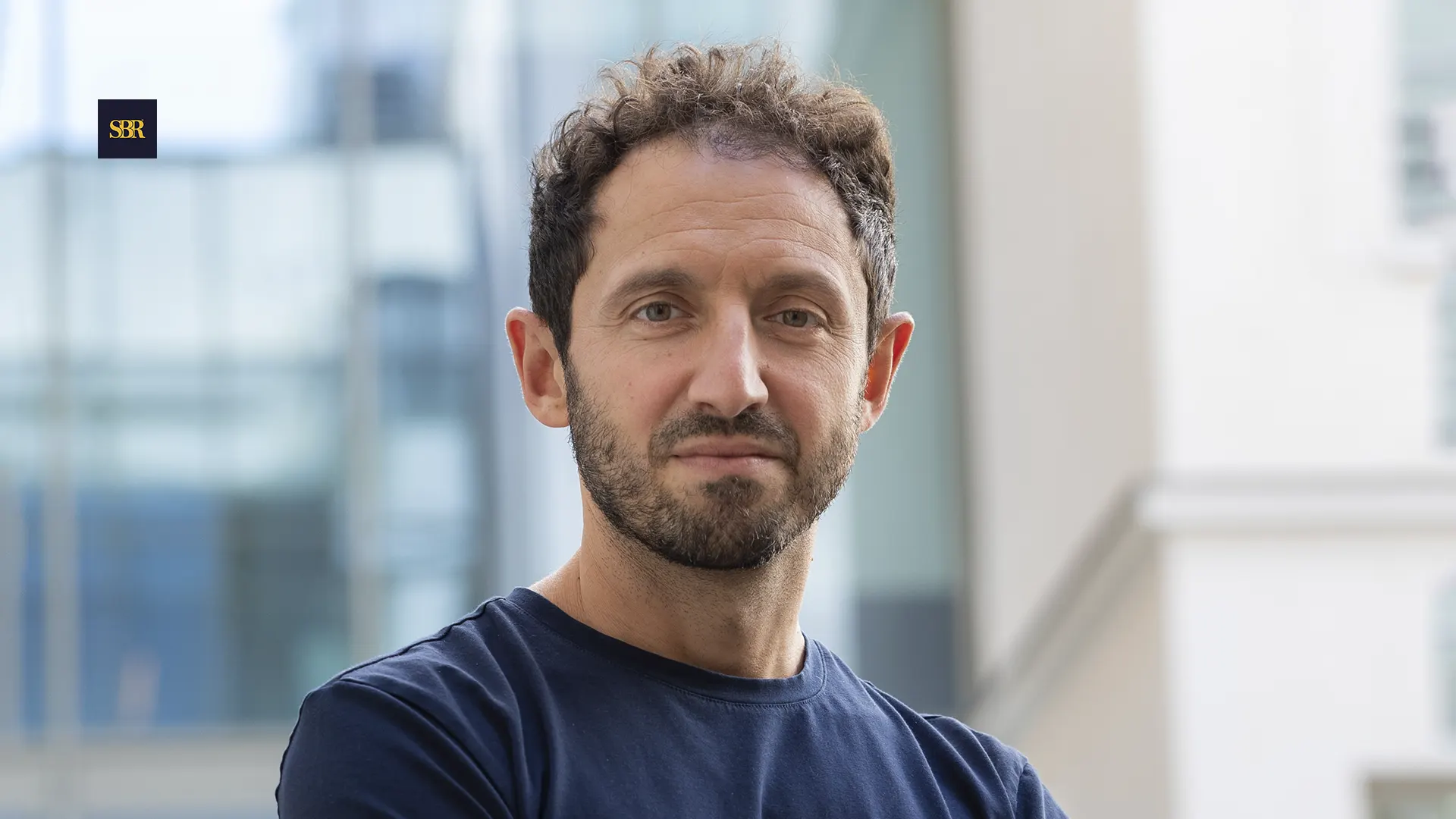
Tobias Taupitz, Co-Founder & CEO, Laka