
SURI was created to redesign the electric toothbrush with lower plastic use and longer product life in mind. The company entered the oral care sector with products focused on sustainability, recyclable materials, and modern product design.
The founders questioned why many electric toothbrushes relied heavily on disposable plastic parts and short replacement cycles. Traditional toothbrushes and brush heads are often difficult to recycle because they contain mixed materials and sealed components. SURI introduced a sonic electric toothbrush made with aluminum and plant-based materials instead of relying mainly on petroleum-based plastics. The company also designed replaceable brush heads using cornstarch materials and castor oil-based bristles. The brand presents oral care as part of modern consumer interest in sustainability, wellness, and lower-waste personal care products.
Sonic Toothbrush Design and Everyday Use
SURI’s main product is a sonic electric toothbrush designed for daily use. The toothbrush uses high-frequency sonic vibrations to clean teeth while maintaining a slim and lightweight shape. The company markets the toothbrush around portability, durability, and minimalist design. Many electric toothbrushes include large charging systems and multiple digital functions, while SURI uses a simpler design with fewer visible controls.
The aluminum body is designed for long-term use and easier recycling compared with plastic toothbrush handles. Brush heads are replaceable and can be returned through the company’s recycling program in selected regions. The toothbrush also includes features such as long battery life, magnetic wall mounting, and a travel case with UV-C cleaning technology in some product versions.
Online reviews often describe the toothbrush as lightweight, visually distinctive, and convenient for travel. Many users also compare the slimmer handle with larger toothbrushes from companies such as Oral-B and Philips Sonicare. Some consumers prefer the simpler design without mobile apps or large digital interfaces, while others compare brushing performance with more established oral care brands.
Materials, Recycling, and Product Lifespan
Material selection plays a major role in SURI’s identity as a consumer brand. The company states that reducing dependence on petroleum-based plastics was one of the main reasons behind the product’s development. The toothbrush body uses aluminum because aluminum generally lasts longer and is easier to recycle than many plastics used in consumer electronics. Replaceable brush heads are made with plant-based materials linked to cornstarch and castor oil.
SURI also operates a recycling program where customers can return used brush heads through prepaid mailers in selected countries. This system was created because toothbrush heads are normally discarded after replacement. The company publishes sustainability reports discussing product materials, recycling efforts, carbon tracking, and waste reduction goals. SURI is also certified as a B Corp company, which means the business meets standards related to environmental and social performance.
The oral care industry has faced criticism related to plastic waste because billions of toothbrushes are discarded globally each year. This has increased consumer interest in products linked to reusable materials, recyclable packaging, and lower-waste product design. SURI operates within this growing category of consumer brands, attempting to reduce waste connected to everyday personal care products.
Social Media Visibility and Brand Identity
SURI gained strong visibility through social media, online design culture, and lifestyle-focused branding. The toothbrush became popular partly because of minimalist product design and strong visual branding across digital platforms. The company markets products through content linked to wellness, travel, home design, and modern lifestyle habits. Platforms such as Instagram and TikTok helped introduce the brand to younger consumers interested in sustainability and design-focused consumer products.
The toothbrush is often presented not only as a hygiene product but also as part of modern home aesthetics and wellness culture. Product photography and branding focus heavily on portability, appearance, and reduced visual clutter compared with many traditional oral care products. Online product reviews and media coverage have also increased consumer visibility. Reviewers frequently discuss battery life, portability, design quality, and recyclable materials when evaluating the product.
Consumer discussions online show mixed experiences, which is common for growing consumer hardware brands. Some users praise the design, battery performance, and sustainability focus, while others discuss charging issues or durability concerns after long-term use. These conversations show how consumers now evaluate products not only on functionality but also on design, sustainability claims, usability, and product lifespan.
Wellness Branding and Consumer Product Trends
SURI reflects larger changes in how consumers evaluate personal care and wellness products. Many buyers now consider packaging, sustainability claims, material sourcing, and product lifespan alongside pricing and performance. This has created strong demand for products linked to reusable materials, lower waste, and minimalist design. Brands operating in this category often focus heavily on visual identity, e-commerce sales, and digital marketing.
The oral care sector has also changed as consumers move beyond traditional pharmacy brands and explore newer companies built around sustainability and modern design. SURI reflects this movement by presenting the electric toothbrush as both a functional oral care device and a design-focused consumer product connected to modern lifestyle habits.
Retail growth and e-commerce expansion have also allowed smaller consumer brands to compete directly with larger multinational companies. Social media visibility, influencer marketing, and online reviews now play major roles in how consumers discover and evaluate personal care products. The company’s growth reflects how direct-to-consumer brands can build visibility through product aesthetics, digital marketing, and sustainability-focused branding rather than relying only on traditional retail advertising.
Oral Care Products and Sustainable Design
SURI reflects larger discussions around sustainability and waste reduction across consumer products. Many everyday products, once designed mainly around disposability, are now being redesigned around recyclability, longer lifespan, and lower plastic use.
The company connects sonic toothbrush technology, recyclable materials, replaceable brush heads, and digital-first branding through one consumer product platform. As consumers continue exploring lower-waste personal care products, brands like SURI are becoming part of a growing category focused on sustainability, minimalist product design, and modern lifestyle branding within the oral care sector.
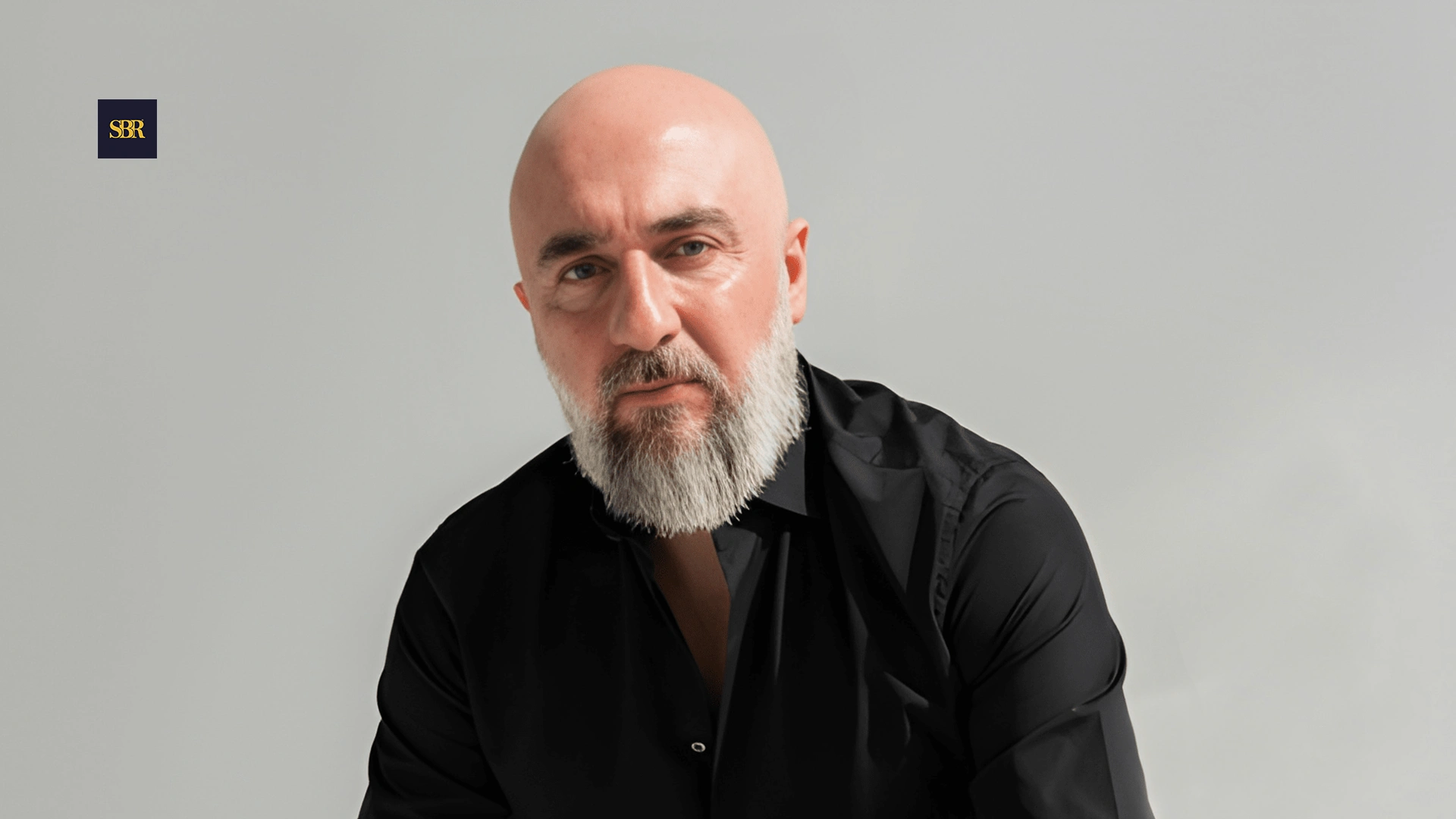
Gyve Safavi, Co-Founder & CEO, SURI

















.webp)