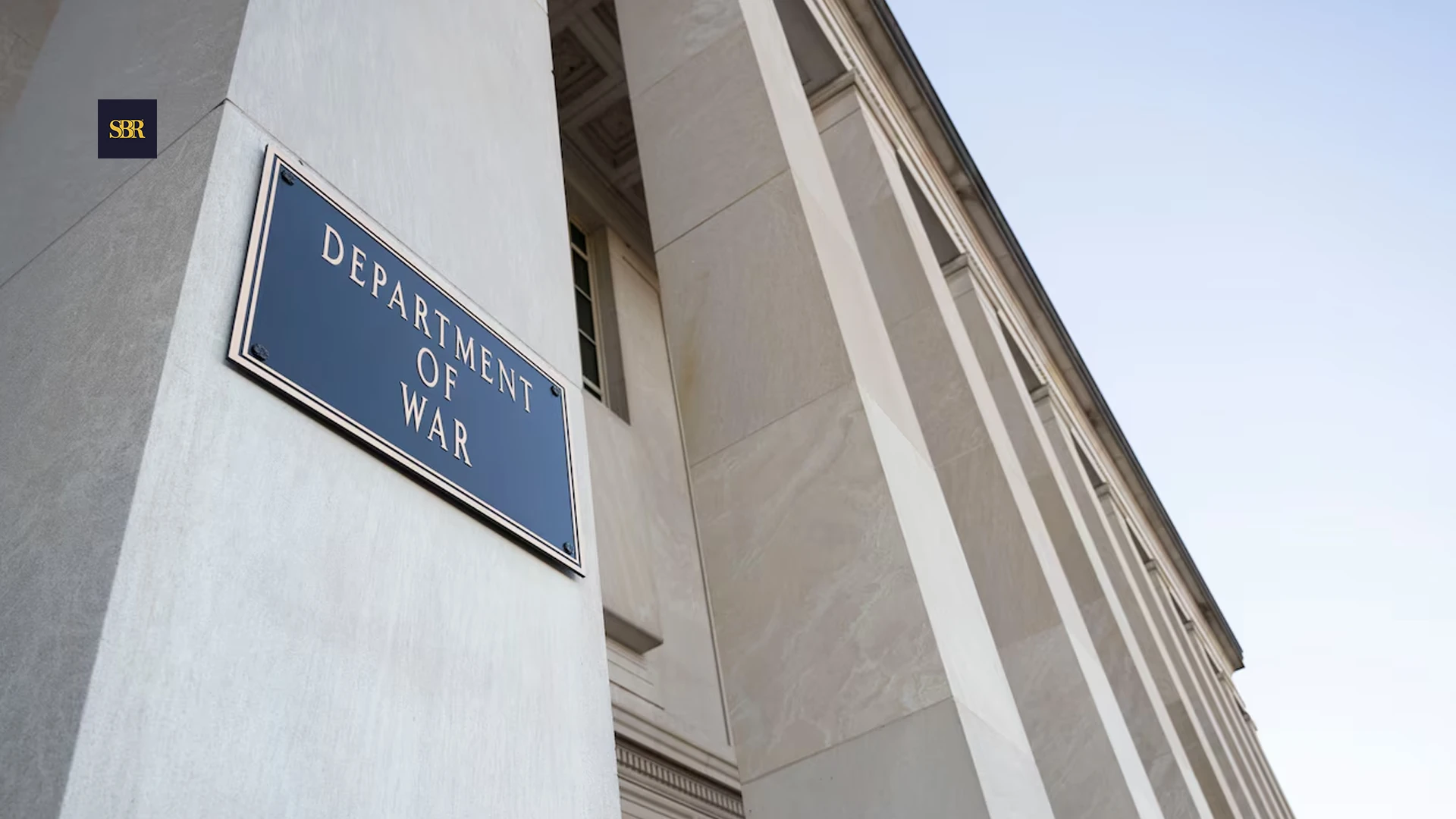
WASHINGTON, August 28, 2026 — The Department of War’s Office of the Assistant Secretary of War for Industrial Base Policy, in partnership with the Economic Defense Unit, has announced a $35.6 million equity investment in Trilogy Metals Inc. through the Industrial Base Analysis and Sustainment program. The transaction gives the U.S. government a 10% direct ownership stake in Trilogy Metals, along with 7.5% in penny warrants, representing a combined 17.5% economic position.
The funds will go toward exploration, engineering and infrastructure development at the Upper Kobuk Mineral Projects (UKMP) in Northwest Alaska. The district-scale, under-explored land package is managed through Ambler Metals LLC, a 50/50 joint venture between Trilogy Metals and South32 Limited. The projects contain copper, cobalt, germanium, and other critical minerals used in defense systems and the wider U.S. industrial base.
Government Takes Equity Stake in Trilogy Metals
The transaction gives the Department of War a direct financial interest in Trilogy Metals as the company develops its mineral projects in Alaska. Mike Cadenazzi, Assistant Secretary of War for Industrial Base Policy, said the partnership is intended to strengthen U.S. supply chain independence and national security by securing the materials required for defense production.
George K. Kollitides II, Director of the Economic Defense Unit, said the investment reflects the Department’s efforts to secure critical minerals for the U.S. defense sector and economy. He also said the transaction is intended to protect the economy from manipulation, rebuild domestic industrial capacity and create American jobs tied to national security.

Alaska Projects Gain New Investment
The investment follows the revival and approval of the Ambler Road Project, a proposed 211-mile industrial access road connecting the Dalton Highway with the remote UKMP district. The project has been declared crucial for national security because of its role in providing access to strategic mineral resources in the region.
The Ambler Road Project is projected to create more than 2,730 construction jobs and 500 long-term mining jobs in Alaska. It is also expected to generate more than $1.1 billion in state revenues while creating downstream opportunities in smelting, refining and high-value manufacturing across Arizona, Utah, Texas, Ohio and Pennsylvania.

Image credit: Trilogy Metals Inc.
Critical Minerals Take Priority
The Upper Kobuk Mineral Projects contain significant deposits of minerals used across defense, infrastructure and advanced technology industries. The district includes the Arctic volcanogenic massive sulfide (VMS) deposit, described as one of the highest-grade undeveloped copper deposits in the world. The adjacent Bornite project also contains substantial copper, cobalt and germanium resources.
These materials are used in electrical infrastructure, defense platforms, data centers and advanced electronics. Their applications extend across multiple parts of the U.S. economy, making domestic access to copper, cobalt, germanium and other critical minerals an important consideration for defense production and advanced manufacturing.
Investment Targets Domestic Mineral Supply
The Trilogy Metals investment directs federal capital toward exploration, engineering and infrastructure in a region with significant mineral resources. The U.S. government’s equity position also gives it a direct economic interest in the company as development of the Upper Kobuk Mineral Projects progresses.
With the Ambler Road Project providing a proposed transportation link to the mineral district, the investment connects mineral development in Northwest Alaska with potential processing and manufacturing activity elsewhere in the United States. The combination of resource development, transportation infrastructure, and downstream industrial activity could give the projects a role in expanding domestic access to materials used by defense and advanced technology industries.
The Ambler Road Project is projected to create more than 2,730 construction jobs and 500 long-term mining jobs in Alaska. It is also expected to generate more than $1.1 billion in state revenues while creating downstream opportunities in smelting, refining and high-value manufacturing across Arizona, Utah, Texas, Ohio and Pennsylvania.