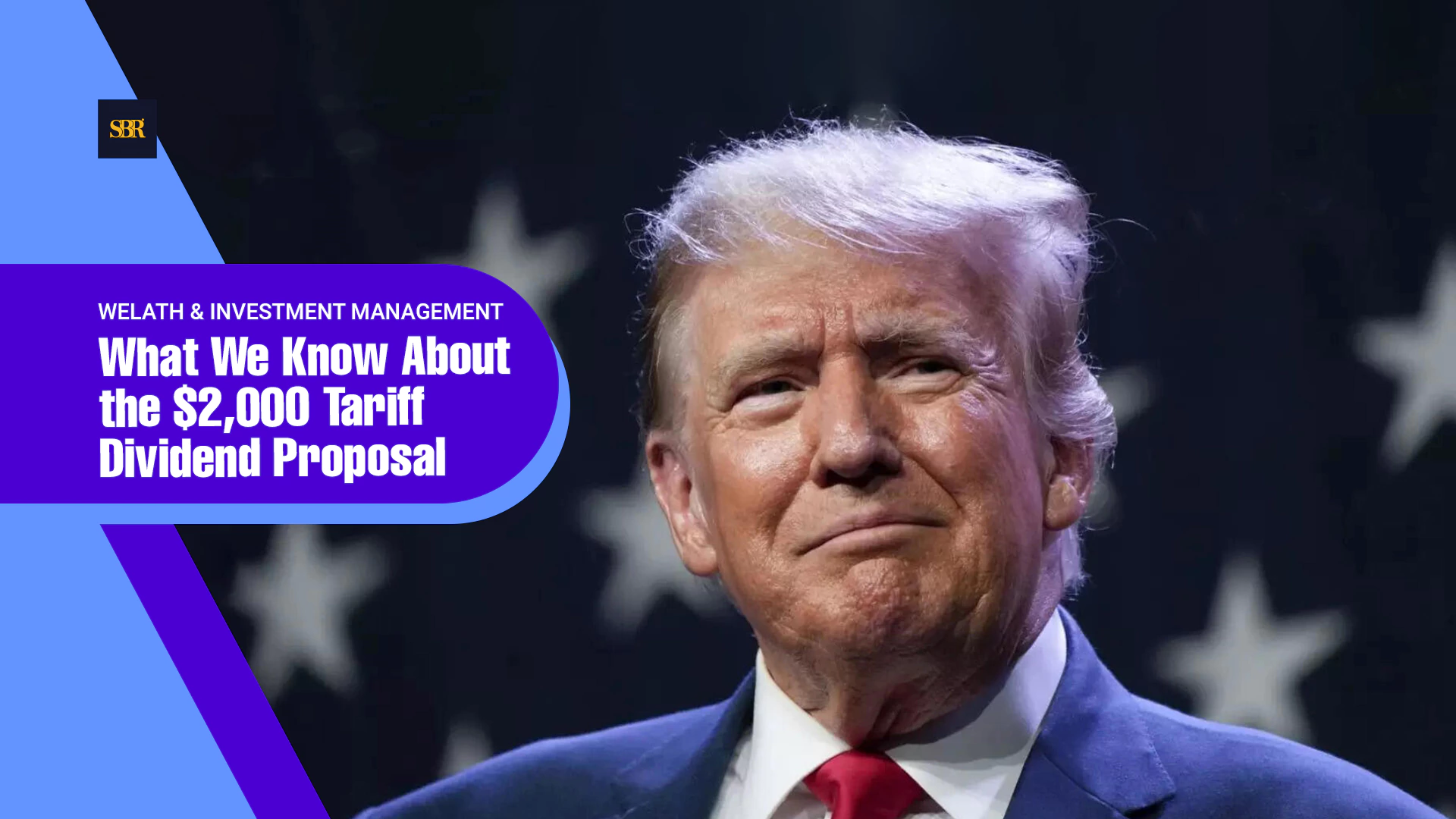
WASHINGTON, D.C., Dec. 2, 2025 — Donald J. Trump has proposed a $2,000 “tariff dividend” that would use revenue collected from import tariffs to send payments to moderate-income Americans. While the idea has attracted attention in media and social conversations, no law has been passed to authorize such payments. The proposal remains at the discussion stage and has not moved into formal legislation.
The Internal Revenue Service and the Treasury Department have confirmed that no payments are scheduled for December 2025. Reports suggesting that Americans would receive a “fourth stimulus check” this month are inaccurate. Fact-checking organizations have highlighted that no official mechanism has been created to distribute such a payment, and any claims to the contrary are misleading. The announcement of the proposal has generated discussion, but the absence of legal authorization means that the plan has no immediate effect on households.
Financial Feasibility and Expert Assessment
Independent researchers, including analysts at the Tax Foundation, have evaluated the financial feasibility of the proposed dividend. Their findings indicate that issuing $2,000 payments to all eligible adults, and possibly dependents, would likely exceed the revenue collected from tariffs. Even optimistic projections of tariff income fall short of what a universal dividend would require. Analysts describe the financial gap as significant, and without additional funding or legislative approval, the plan cannot be implemented as proposed.
Beyond the question of revenue, there are broader considerations about administration and distribution. No official statements have outlined who would qualify for the payments, whether income thresholds would apply, or how dependents would be counted. There is also no indication of how or when funds would be delivered. These factors remain undefined, which contributes to uncertainty about how the proposal could operate in practice if Congress were to authorize it.
What the Public Should Know
 Why Official Guidance Matters: Public expectations have surged since the proposal was introduced, yet nothing has moved past the discussion stage. Federal agencies have not released timetables, instructions, or eligibility details, which means households must rely on verified statements rather than online speculation. The absence of formal documentation has also slowed community groups and tax preparers that want to advise families but cannot do so without confirmed rules. Without this layer of certainty, any timeline circulating across social platforms remains only a guess.
Why Eligibility and Timing Remain Unsettled: Questions remain open because the proposal has not advanced into a stage where administrative planning can begin. Income thresholds, filing requirements, and distribution channels cannot be drafted until Congress finalizes the legislation and authorizes the Treasury to map out the process. Lawmakers familiar with the proposal continue to describe it as a work in progress, and that keeps the discussion rooted in possibility rather than schedule. Financial advisers say households should wait for an agency notice before assuming who qualifies, how payments would be delivered, or when the rebate could reach the public.
What Households Want from Washington
Many families are watching the debate with a mix of interest and caution, hoping lawmakers recognise how stretched budgets have become. Rising costs for essentials have made any potential rebate feel meaningful, yet voters also note how similar proposals in the past stalled before reaching the finish line. The conversation around this dividend has already taken on symbolic weight, reflecting both economic fatigue and a desire for policies that speak directly to household realities.
Public expectations have surged since the proposal was introduced, yet nothing has moved past the discussion stage. Federal agencies have not released timetables, instructions, or eligibility details, which means households must rely on verified statements rather than online speculation.
Inputs from Diana Chou
Editing by David Ryder