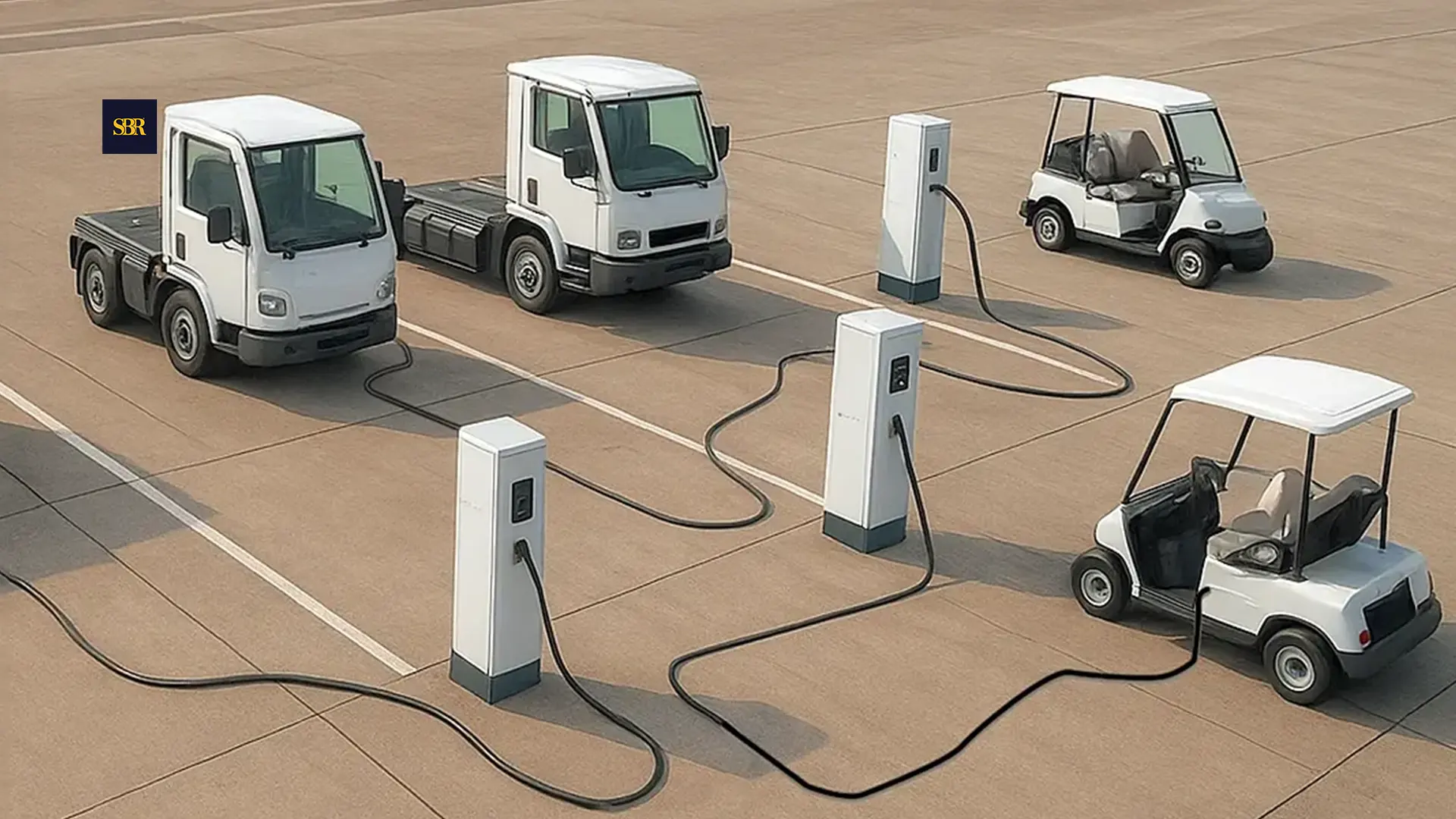
WATERTOWN, Mass., March 6, 2026 — Wireless charging is beginning to move beyond phones and consumer electronics. The technology now appears in everyday electric mobility through systems designed for smaller vehicles. A newly introduced platform from WiTricity brings wireless charging to golf carts and other light electric vehicles used in communities, campuses and resorts.
The company introduced the MR1 600W wireless charging system as a lower power addition to its existing lineup. The new model makes cable free charging easier to adopt for operators that run golf carts, neighborhood electric vehicles and other low speed vehicles.
Wireless charging removes the need for cables or connectors. Vehicles recharge automatically when parked above a ground mounted charging hub. The process begins once the system detects a compatible receiver installed underneath the vehicle.
As electric mobility expands into smaller vehicles and fleet operations, systems like the MR1 600W illustrate how wireless charging can simplify everyday charging routines.
A Charging System Designed for Light Electric Vehicles
Golf carts and other light electric vehicles appear in many environments. Courses use them to move players across large grounds. Resorts depend on them to transport guests between buildings. Residential communities and campuses rely on neighborhood electric vehicles for short distance travel.
These vehicles typically require frequent charging between uses. Traditional plug in systems involve cables and connectors that drivers must handle manually. Drivers connect the charger to the battery and later remove it before the vehicle moves again.
Wireless charging removes those steps. The MR1 system uses two main components that work together to transfer electricity without a cable connection.
Power Hub Installed at Parking Locations: The first component is a ground mounted charging unit known as the Power Hub. This unit connects to a standard electrical outlet and sits in a designated parking area.
When a compatible vehicle stops above the hub, the system detects the receiver mounted under the vehicle. Energy transfer then begins automatically. Drivers do not need to plug in equipment or handle connectors.
Parking areas equipped with wireless charging hubs allow fleets to recharge vehicles during normal downtime. Vehicles recharge while parked between uses or during overnight storage.
Vehicle Receiver Connects to the Battery: The second component is a receiver installed underneath the vehicle. The receiver connects directly to the battery system and communicates with the charging hub.
Once the vehicle stops above the transmitter, the receiver begins capturing energy from the wireless field generated by the hub. Charging continues until the battery reaches capacity or until the vehicle leaves the charging zone.
This arrangement allows the vehicle to recharge without requiring driver interaction. The process begins automatically as part of normal parking behavior.

Magnetic Resonance Powers Wireless Charging
The MR1 platform relies on magnetic resonance wireless power transfer. Electricity moves between two coils that share the same resonant frequency. One coil sits in the ground transmitter while the other is installed in the vehicle receiver.
When the system activates, the transmitter generates an oscillating magnetic field. The receiver captures this field and converts it into electrical energy that charges the vehicle battery.
Unlike many wireless phone chargers, the system does not require perfect alignment between the transmitter and receiver. Energy transfer occurs across an air gap of several inches, allowing vehicles to park naturally above the hub.
Because the system includes no exposed connectors or moving parts, maintenance needs remain limited. Charging also continues to function in outdoor conditions such as rain, dust or debris that commonly appear in areas where golf carts operate.
These characteristics make wireless charging useful for fleets that run vehicles throughout the day.
Lower Power Option Expands Access
The MR1 600W model builds on an earlier 90- watt wireless charging system used by commercial fleets. The new version delivers lower power output while maintaining automatic charging capability.
Reducing the power rating also lowers the cost of the system. The MR1 600W carries a price of about 1,625 dollars, roughly half the cost of the higher power unit.
The lower price opens wireless charging to smaller operators that manage limited fleets. Golf courses, residential communities and small resorts often run a modest number of vehicles and do not require the fastest charging option.
Charging times with the 600-watt system remain suitable for everyday use. Vehicles can recharge overnight or during idle periods between trips.
The system also supports multiple battery types, including lithium ion and lead acid batteries commonly used in golf carts and light electric vehicles.
Everyday Applications for Cable Free Charging
Wireless charging has attracted attention in passenger electric vehicles for several years. Many of the earliest uses now appear in smaller vehicles that operate within controlled environments.
Light electric vehicles often return to the same parking areas at the end of each activity period. Installing charging hubs in those locations allows vehicles to recharge automatically without human involvement.
The MR1 system is designed for environments such as golf courses, vacation properties, residential neighborhoods and campuses. These settings rely heavily on small electric vehicles that operate throughout the day.
Fleet operators may also benefit from reduced wear on charging cables and connectors. Removing those components reduces maintenance needs and eliminates hazards caused by cords left on the ground.
Wireless charging therefore offers operational advantages beyond convenience. Vehicles remain ready for service whenever they park over a charging hub.
As electric mobility spreads into smaller vehicle categories, automated charging systems may play a larger role in everyday operations. The MR1 600W system demonstrates how wireless technology can reshape routine charging for golf carts and other light electric vehicles.
By replacing cables with automated energy transfer, the system turns a simple act such as parking into the trigger for recharging. For fleets that manage dozens of carts or utility vehicles each day, removing the step of plugging in a charger can simplify daily routines across entire operations.
Wireless charging removes the need for cables or connectors. Vehicles recharge automatically when parked above a ground mounted charging hub. The process begins once the system detects a compatible receiver installed underneath the vehicle.












.webp)