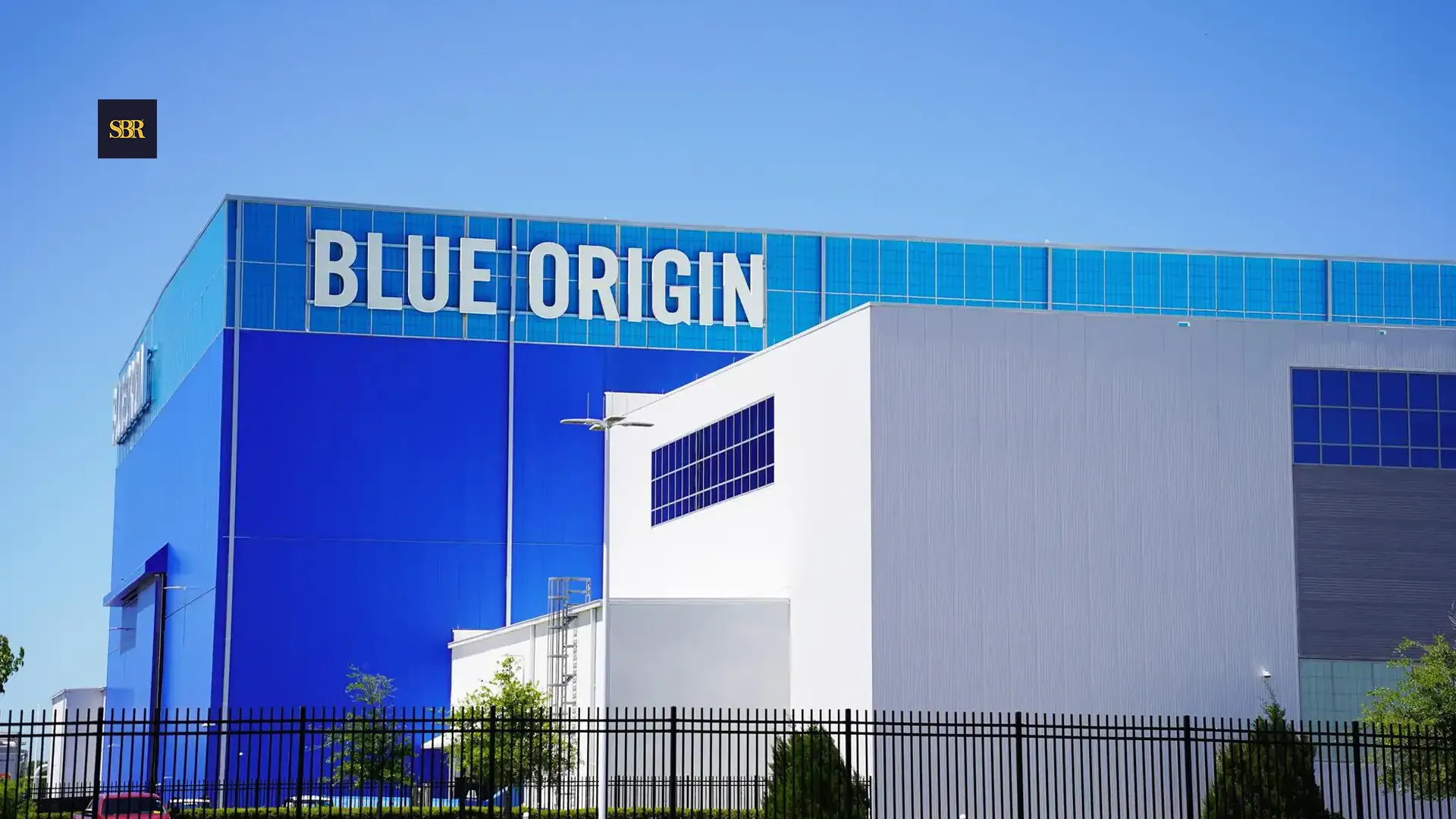
KENT, Wash., Oct. 16, 2026 — Blue Origin plans to invest $330 million in its Rocket Park campus in Cape Canaveral, Florida, adding two launch and landing pads for its New Glenn heavy-lift rocket as it targets multiple flights per week by the end of the decade. The expansion comes as the company competes with Elon Musk’s SpaceX for commercial and government launch contracts, following reports of a $10 billion external funding round at a $140 billion valuation.
Expected to be completed in summer 2027, the Rocket Park project will give Blue Origin capacity to produce up to 150 New Glenn upper stages annually. The company is also constructing a customer integration facility with the U.S. Space Force at Cape Canaveral Space Force Station, enabling multiple missions to be prepared simultaneously. Together, the projects extend beyond competition for launch contracts to the manufacturing and mission infrastructure required to serve commercial and government customers.
Florida Infrastructure Expansion
Blue Origin has invested more than $3 billion in its Florida operations and infrastructure. The company operates at more than 20 sites across Brevard and Orange counties, employing more than 5,000 people. The Rocket Park project will add manufacturing capacity and launch infrastructure, strengthening the company’s ability to prepare and conduct orbital missions from Florida.
The investment follows a May setback in which a New Glenn rocket exploded on the launchpad. Blue Origin is restoring the affected launch infrastructure and targets a return to flight by the end of 2026. Completing the restoration will be an important step toward increasing launch frequency while the company prepares additional infrastructure for future missions.

Competition with SpaceX
Blue Origin and SpaceX compete for commercial and government launch contracts while operating satellite internet businesses. SpaceX has curtailed commercial rides on its Falcon 9 rocket to prioritize its Starship program, contributing to limited launch availability for satellite operators. Additional New Glenn capacity could give customers another option as demand for orbital launches grows.
Both companies serve as launch partners for Amazon’s Leo low Earth orbit satellite network. Amazon is developing the constellation to provide satellite broadband services, while SpaceX’s Starlink network has more than 11,000 satellites in orbit. As satellite networks expand, launch providers face demand for the services and infrastructure needed to deploy spacecraft and maintain orbital operations.
Funding and Investment
Blue Origin’s first external funding round was oversubscribed, Chief Executive Dave Limp told CNBC in September. The Wall Street Journal reported that the round raised $10 billion at a valuation of $140 billion. The reported funding gives context to the scale of Blue Origin’s expansion as it invests in manufacturing capacity and launch infrastructure.
Commercial space investment reached $92.5 billion during the first three quarters of 2026, according to venture capital firm Space Capital. Investment across launch services, satellite networks and related infrastructure reflects demand from businesses and governments deploying spacecraft. Blue Origin’s Florida expansion is part of this broader investment in the capacity needed to serve commercial and government missions.
New Glenn Production and Launch Capacity
The Rocket Park project will have the capacity to produce up to 150 New Glenn upper stages annually. Two additional launch and landing pads will expand launch capacity, while the customer integration facility under construction with the U.S. Space Force will allow several missions to be prepared simultaneously. Together, these projects will expand Blue Origin’s capacity for rocket production, mission preparation and launch operations.
Blue Origin targets multiple flights per week by the end of the decade. Reaching that frequency will depend on completing the Florida projects, restoring the affected launch infrastructure and returning New Glenn to flight. The $330 million investment addresses the production and launch capacity needed for that target as Blue Origin seeks a greater share of commercial and government launch business.

Photo credit: Blue Origin
About Blue Origin
Founded by Jeff Bezos in 2000, Blue Origin is a privately held aerospace company specializing in rocket manufacturing, spaceflight systems and launch services. Its work spans orbital launch vehicles, suborbital spaceflight and reusable rocket technology designed to reduce the cost of access to space. The company’s New Glenn rocket is a heavy-lift, partially reusable launch vehicle designed to carry large payloads into orbit. At the same time, New Shepard serves suborbital missions for space tourism and research. Blue Origin also invests in launch infrastructure and manufacturing capacity to increase flight frequency and serve commercial, scientific, and government missions.
Blue Origin is headquartered in Kent, Washington, in the Seattle metropolitan area. It also operates major rocket manufacturing and launch facilities in Florida, including its Cape Canaveral site.
The Rocket Park project will have the capacity to produce up to 150 New Glenn upper stages annually. Two additional launch and landing pads will expand launch capacity, while the customer integration facility under construction with the U.S. Space Force will allow several missions to be prepared simultaneously.







.webp)



