Samsung unveiled its latest innovations in smart home technology during the SDC23 keynote, placing emphasis on AI-powered devices, seamless IoT connectivity, and intelligent automation across everyday living. The announcements reflect Samsung's strategic push to expand its ecosystem, aiming to deliver enhanced personalization, efficiency, and interoperability in connected homes.
Samsung SDC23: A Vision for Intelligent Living
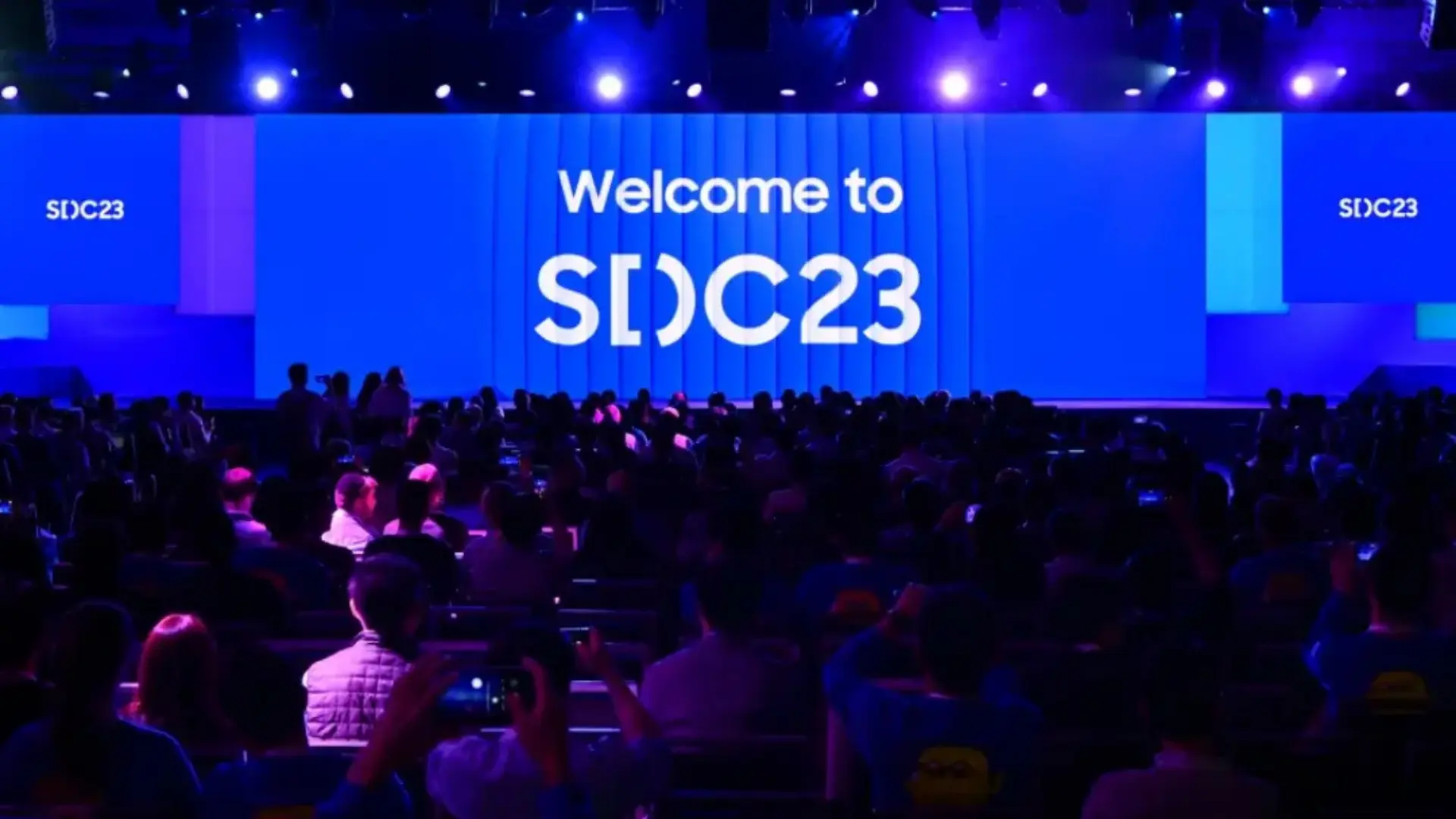
Held at San Francisco’s Moscone Center, the keynote showcased how Samsung is embedding AI into its devices to drive smarter, context-aware experiences. With its expanded SmartThings ecosystem, the company is advancing toward a fully integrated home automation platform that aligns with evolving user behavior and privacy expectations.
SmartThings and Cross-Device Connectivity
A major highlight was the evolution of the SmartThings platform, now featuring broader Matter compatibility and seamless control over third-party devices. Users can expect improved automation routines, centralized control via the SmartThings Hub, and deeper integration with Samsung appliances, TVs, and wearables. The aim is to simplify connected living while offering robust cross-device integration.
On-Device AI and Secure Automation
Samsung also emphasized on-device AI, a significant move toward edge computing that enhances both performance and privacy. By minimizing reliance on the cloud, devices like smart refrigerators and air conditioners can now perform tasks such as predictive maintenance, adaptive energy usage, and voice-activated automation with greater speed and data security.
Tizen OS and Unified Smart Platforms
The company expanded its Tizen OS beyond smart TVs, enabling more smart appliances and displays to operate on a unified platform. This streamlines development for partners and improves the user experience by providing consistent interactions across Samsung's ecosystem, reinforcing their commitment to device interoperability.
Empowering Developers with Tools and APIs
Samsung introduced key updates to the SmartThings Developer Center, including SDK enhancements, new APIs, and simulation tools. These additions help developers build scalable smart home solutions, aligning with global standards and encouraging innovation within the ecosystem. The support for AI-driven technology is designed to accelerate the adoption of smart home innovations.
Samsung’s Roadmap for Connected Living
The keynote concluded with a focus on ethical AI development and sustainable technology. Samsung reaffirmed its commitment to data privacy, transparency, and responsible AI use. Demonstrations included AI-integrated appliances offering real-time personalization and energy optimization, illustrating a future where connected devices intelligently respond to daily needs.
By combining hardware innovation with intelligent software, Samsung's SDC23 keynote confirmed the company’s leadership in shaping the future of smart home innovations. From AI-powered devices to home automation routines, the brand continues to redefine how users experience technology in their personal environments.
The Samsung SDC23 keynote signalled a clear shift toward intelligent, privacy-focused homes where AI and SmartThings work seamlessly across devices.