NEW YORK, Sept. 11, 2026 — The economic consequences of Sept. 11, 2001, were immediate. The destruction of the World Trade Center eliminated more than 13 million square feet of office space in Lower Manhattan, disrupted financial activity and left businesses without workplaces, equipment and other assets. New York City was already in an economic downturn when the attacks occurred, so the subsequent losses cannot be attributed to 9/11 alone. The city’s Comptroller’s Office nevertheless estimated that the attacks would cost New York between $83 billion and $95 billion, depending in part on how many jobs ultimately relocated outside the city.
The damage extended well beyond the World Trade Center site. Businesses across Lower Manhattan lost offices, equipment and access to their workplaces, while workers were displaced and transportation and communications networks were disrupted. Commercial activity in the area was severely curtailed as companies relocated employees and operations. Six World Trade Center buildings were destroyed, while nine additional buildings with about 15 million square feet of office space sustained substantial damage.
Lower Manhattan Lost a Major Business District
The World Trade Center stood in one of New York’s most important commercial districts. The collapse of the towers eliminated millions of square feet of office space and disrupted businesses that relied on the daily presence of workers in Lower Manhattan. Retailers, restaurants, and other service businesses also lost customers as offices closed and employees were relocated.
The economic disruption spread beyond Lower Manhattan as companies moved employees and operations to Midtown, New Jersey, and other parts of the region. The Federal Reserve Bank of New York described the attacks as a severe shock to the Lower Manhattan economy, affecting businesses, workers and commercial real estate well beyond the immediate site.

Wall Street Had to Keep Trading
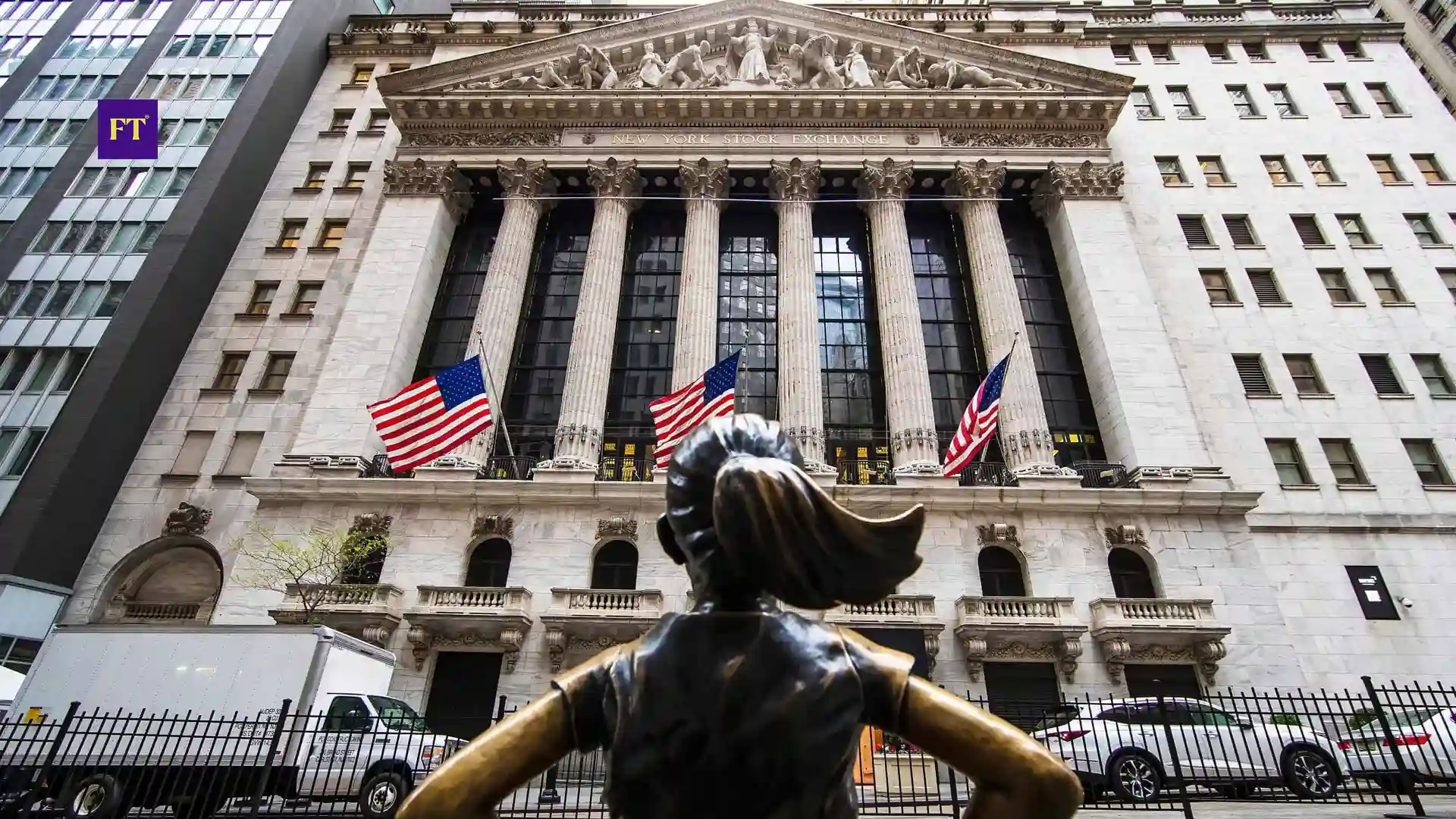
The financial sector faced an extraordinary disruption because critical financial institutions and infrastructure were concentrated in Lower Manhattan. U.S. stock markets closed after the attacks and remained closed for the rest of the week, reopening Monday, Sept. 17. The Federal Reserve also had to manage disruptions to payment flows, securities settlement and communications between financial institutions.
The Federal Reserve later documented that the attacks destroyed part of the infrastructure supporting U.S. financial markets, disrupted communications networks and forced market participants to relocate operations to contingency sites. Telecommunications problems affected banks, securities dealers and settlement utilities, while transportation problems made it harder for employees to reach alternate facilities. Financial activity resumed relatively quickly, but the disruption exposed the dependence of major financial institutions on shared infrastructure and on one another.
Insurance Absorbed Billions in Losses
The attacks also produced one of the largest insurance losses in history. Contemporary Insurance Information Institute estimates put insured losses at roughly $40 billion, although early estimates varied considerably. Claims extended across commercial property, business interruption, aviation, workers' compensation, liability and other lines of coverage.
The financial consequences extended beyond the claims themselves. The attacks forced insurers and reinsurers to reassess terrorism risk and the terms under which that risk could be covered. The Insurance Information Institute later noted that the event led to a major re-evaluation of terrorism risk in underwriting and pricing and contributed to the creation of the federal Terrorism Risk Insurance Act in 2002.

Photo credit: Pexels
Rebuilding Became an Economic Priority
The recovery of Lower Manhattan required more than replacing the buildings destroyed on Sept. 11. Businesses needed financing, temporary locations and customers, while the city and state had to restore transportation and commercial activity. Within the first few months after the attacks, New York City and New York state had disbursed $24 million in grants to 4,722 affected businesses, according to a Government Accountability Office review. The Small Business Administration had also approved 2,486 loans totaling $201 million to Lower Manhattan businesses by Sept. 11, 2002.
Rebuilding also changed the composition of Lower Manhattan. The area eventually gained new office buildings, retail space, transportation infrastructure and residential development rather than simply recreating the district that existed before 9/11. New York's State Comptroller later reported that the city had added 38 million square feet of office space since 2001, replacing the 13 million square feet destroyed at the World Trade Center complex and adding substantially more elsewhere.
Twenty-five years later, the business significance of 9/11 can be seen in measurable changes to New York's economy. The attacks destroyed a major stock of commercial space, disrupted financial markets, displaced businesses and workers, generated billions of dollars in insurance losses and required a large public and private recovery effort. New York eventually rebuilt Lower Manhattan, but the district that emerged was not simply a reconstruction of what existed before Sept. 11. The geography of commercial activity, the financial industry's infrastructure and the economics of risk had all changed.
The financial consequences extended beyond the claims themselves. The attacks forced insurers and reinsurers to reassess terrorism risk and the terms under which that risk could be covered. The Insurance Information Institute later noted that the event led to a major re-evaluation of terrorism risk in underwriting and pricing and contributed to the creation of the federal Terrorism Risk Insurance Act in 2002.








.webp)