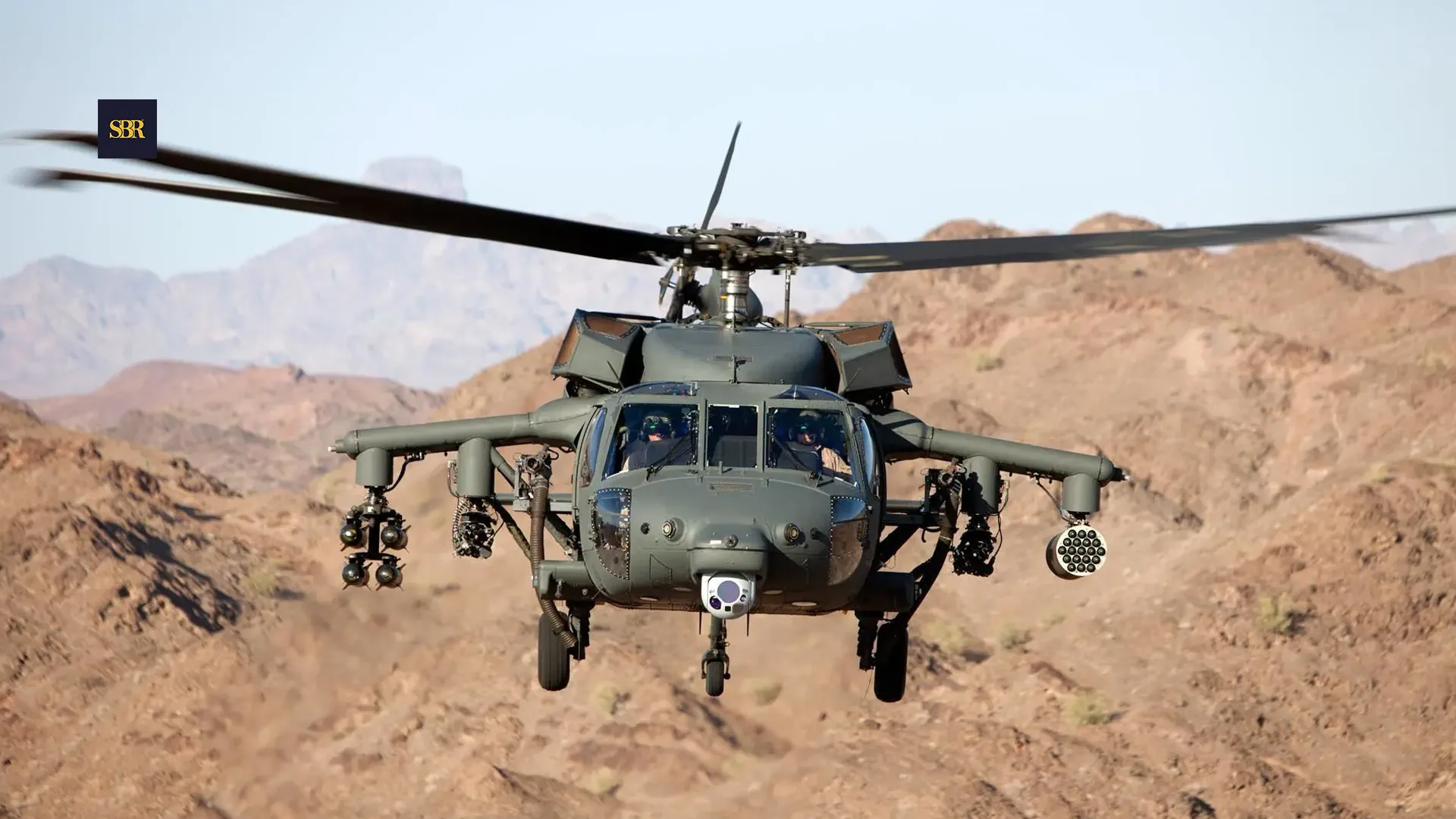
WASHINGTON, Oct. 1, 2026 — The U.S. Army and Sikorsky have reached a Novel Production Agreement for UH-60M Black Hawk helicopters that could add more than 100 aircraft to the production pipeline. The initial agreement covers 16 helicopters, with deliveries scheduled to begin in 2028.
The agreement allows the Army to add U.S. aircraft and incorporate allied helicopters ordered through Foreign Military Sales. Sikorsky said the arrangement is designed to maintain Black Hawk production and preserve the suppliers, workforce, tooling and manufacturing capacity needed for additional aircraft.
Production Pipeline
The more than 100-aircraft figure does not represent a confirmed order for 100 additional helicopters. Sikorsky expects additional aircraft to be added as the Army establishes further procurement requirements and allied Foreign Military Sales cases mature.
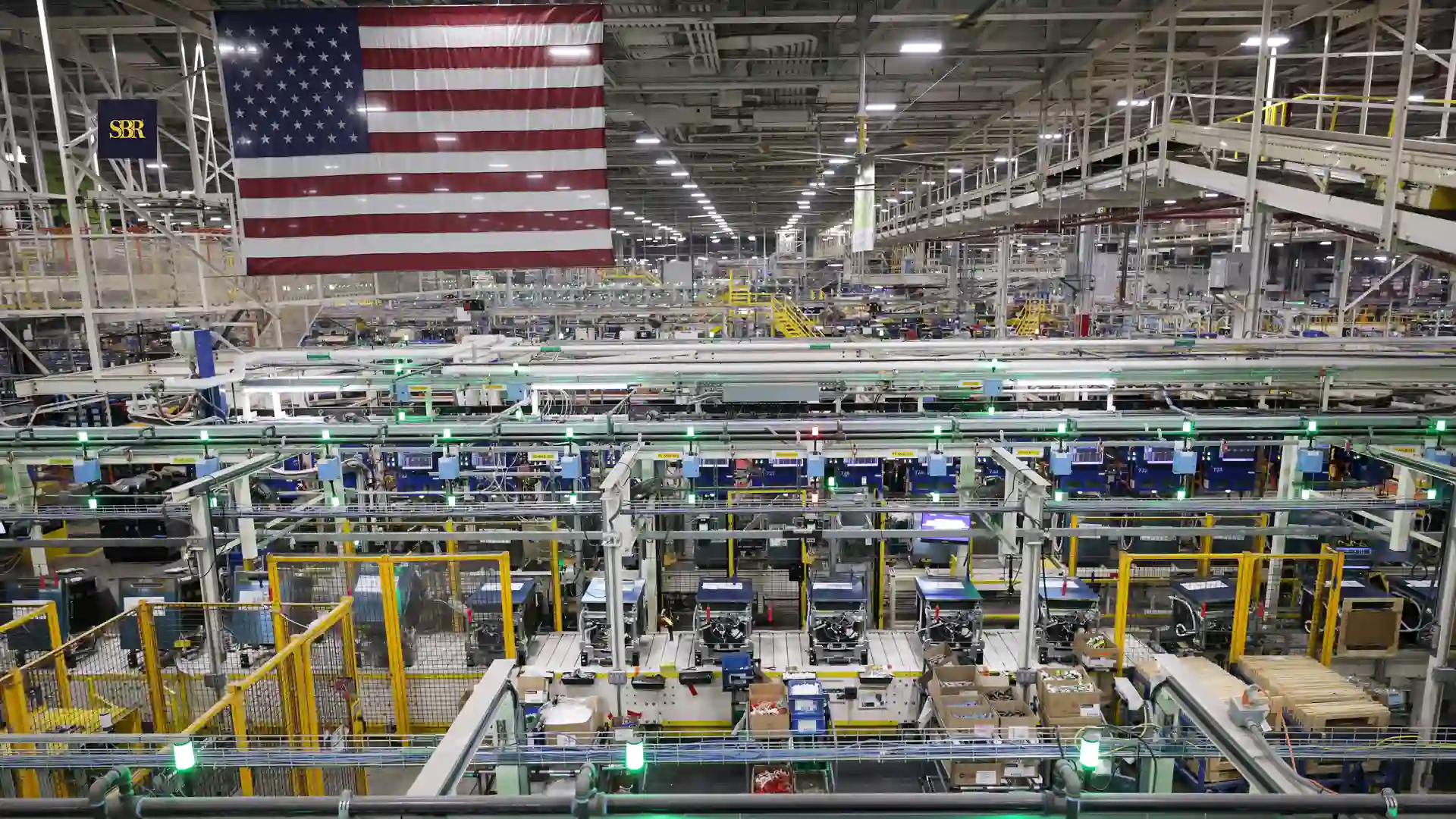
The Black Hawk industrial base comprises 230 suppliers across 43 states. Lockheed Martin has invested more than $1 billion over the past 11 years in Sikorsky manufacturing plants and research laboratories in Connecticut, Alabama, Florida and New York.

Black Hawk Modernization
Sikorsky is also working on upgrades for the Army’s existing Black Hawk fleet. Planned capabilities include a higher-power engine, greater payload capacity and longer range, along with launched effects, autonomous functions and a digital architecture based on the Modular Open Systems Approach.
Sikorsky said upgrades to the thousands of Black Hawks already in service could keep the aircraft operating into the 2070s. The modernization work would add new capabilities to existing aircraft while extending their service life.
Black Hawk Mission Capabilities
The UH-60M Black Hawk can launch unmanned systems for reconnaissance, targeting, communications and electronic warfare. The unmanned systems can extend sensing and other mission functions beyond the helicopter, allowing the crewed aircraft to remain farther from potential threats.
Autonomous capabilities can also enable the Black Hawk to perform logistics, casualty evacuation and troop transport with reduced crew involvement. Sikorsky is incorporating autonomous technology into the Black Hawk modernization program to add these capabilities to the UH-60M fleet.
Open Architecture Enables Upgrades
The Black Hawk’s digital architecture is based on the Modular Open Systems Approach, allowing the Army to integrate future sensors, communications equipment, mission computers and other systems without redesigning the aircraft for each upgrade.
Sikorsky said the architecture can reduce the time and cost required to integrate new systems. It also allows the aircraft to incorporate additional technologies as the Army changes its equipment requirements.

Photo credit: Sikorsky
Allied Black Hawk Sales
The production agreement can accommodate allied Black Hawk aircraft through Foreign Military Sales cases. More than 5,000 Black Hawks have been delivered to more than 36 allied nations, according to Sikorsky.
Funding for the initial 16 aircraft comes from congressional appropriations for fiscal years 2025 and 2026, along with revenue from the Black Hawk Exchange and Sales Transaction Program. Under that program, the Army can sell older helicopters and use the proceeds to purchase new aircraft.
The agreement establishes a production pipeline extending beyond the initial 16 UH-60Ms. Additional U.S. and allied aircraft can be added as procurement requirements and Foreign Military Sales cases are approved, while Sikorsky maintains the industrial capacity needed for future Black Hawk production and modernization.
The Black Hawk industrial base includes 230 suppliers across 43 states. Lockheed Martin also has invested more than $1 billion over the past 11 years in Sikorsky manufacturing plants and research laboratories in Connecticut, Alabama, Florida and New York.