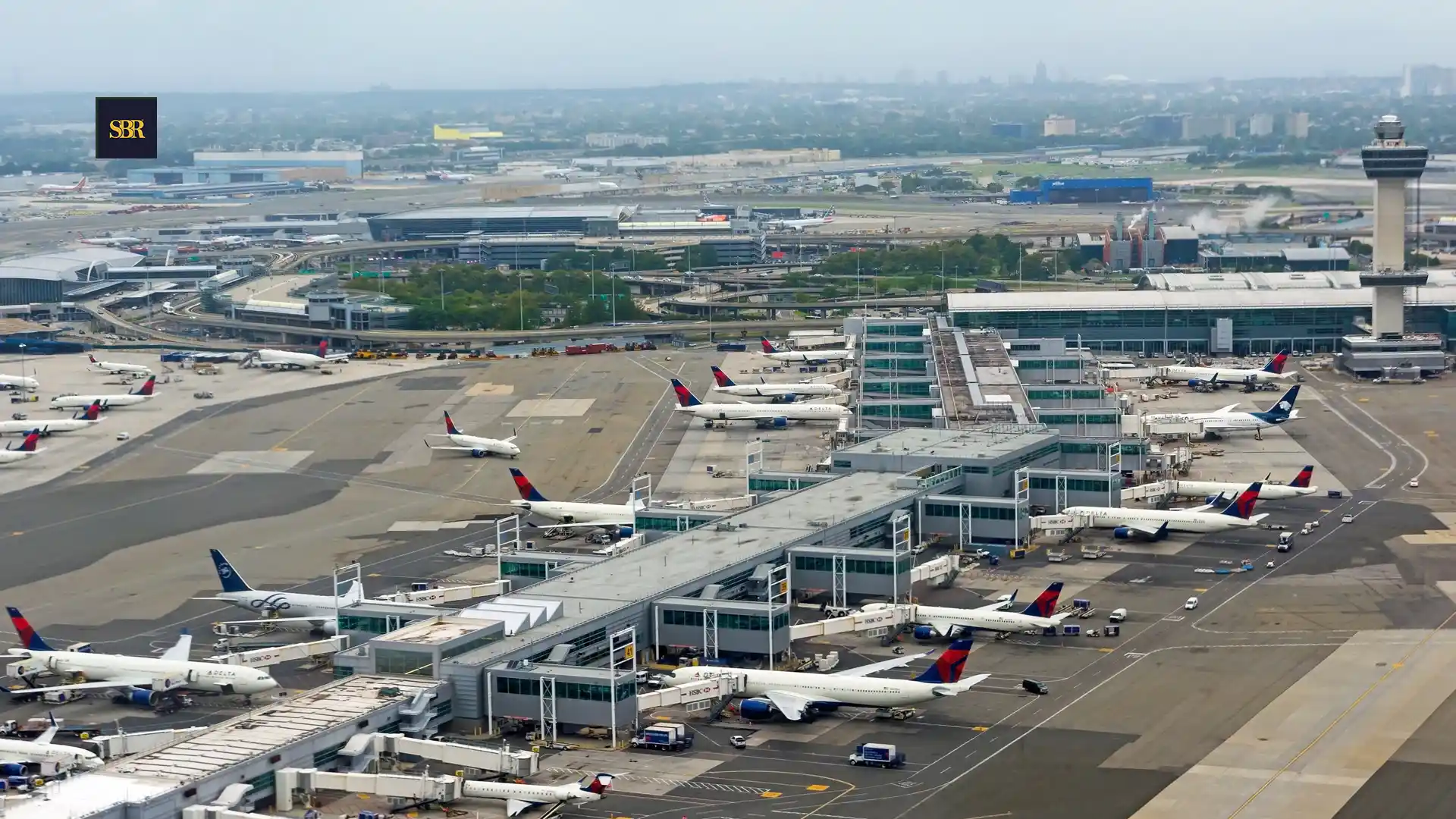
WASHINGTON, D.C., Sept. 30, 2026 — The Modern Skies Act is a bill introduced by Sen. Eric Schmitt, R-Mo., that would provide $30 billion to upgrade air traffic control technology, replace aging aviation infrastructure and fund airport modernization projects. The legislation divides the funding into three $10 billion allocations — $10 billion for air traffic control technology, $10 billion for aviation infrastructure and $10 billion for a pilot grant program for airports serving between five million and 25 million passengers annually.
The Federal Aviation Administration (FAA) is already using $12.5 billion provided through the Working Families Tax Cut Act to upgrade air traffic control telecommunications, install new radios and radar systems, and replace paper flight strips with electronic flight strips. The Modern Skies Act would provide another $30 billion for air traffic control technology, aviation infrastructure, and airport projects if Congress approves the bill. The current $12.5 billion program is expected to be completed by the end of 2028.
Air Traffic Control Gets New Technology
The first $10 billion would fund controller safety separation tools, telecommunications infrastructure, air traffic flow management technology and SMART data capabilities. The bill also would give the FAA authority to transfer previously appropriated funds between air traffic control modernization projects while retaining congressional reporting requirements.
The FAA is already replacing older equipment with fiber telecommunications, digital radios, radar systems and electronic flight strips. The Modern Skies Act would fund more work in those areas and add money for air traffic flow management and artificial intelligence technology. The proposed funding would therefore extend the equipment replacement already underway rather than create a separate air traffic control program.

Airports Get Infrastructure Upgrades
The second $10 billion would fund the replacement of aging air traffic control towers, airport facilities and runways. The bill also includes $10 billion for a pilot grant program for airports that serve between five million and 25 million passengers annually and have limited access to capital.
For airports that receive grants, the money could pay for terminal construction, terminal modernization and other projects allowed under the program. The effect on passengers would depend on which airports receive grants, which projects receive funding and when those projects are completed. The legislation does not guarantee a specific change in passenger wait times or flight delays.
SMART Adds Data to Airspace Management
The Department of Transportation launched Strategic Management of Airspace, Routes and Trajectories, or SMART, in September. SMART collects 200 data feeds covering weather patterns, flight paths, traffic flow and controller staffing and uses that information to produce recommendations for airspace management and flight scheduling.
SMART could give aviation officials more information when weather, congestion or staffing changes affect flight schedules. However, it cannot control weather, airport capacity or staffing levels. Delays and cancellations can still occur when those conditions restrict flight operations, so the technology alone cannot guarantee a more reliable flight schedule.

Photo credit: Pexels
Air Travel Depends on Reliable Infrastructure
Passengers rarely see the infrastructure behind commercial flights, but that infrastructure supports daily aviation operations. Air traffic control communications, radar systems, electronic flight strips, towers, runways and airport terminals each serve a specific role in the U.S. aviation system. The Modern Skies Act would provide federal funding to upgrade these systems and facilities if Congress approves the bill.
The effect on travelers would depend on how the FAA and airports spend the money and how quickly funded projects are completed. Replacing outdated equipment could give controllers newer tools, while airport construction could increase terminal capacity and replace aging structures. The Modern Skies Act could therefore affect the reliability and capacity of U.S. air travel, but the bill itself does not guarantee fewer delays, shorter lines, or faster flights.
The first $10 billion would fund controller safety separation tools, telecommunications infrastructure, air traffic flow management technology, and SMART data capabilities. The bill also would give the FAA authority to transfer previously appropriated funds between air traffic control modernization projects while retaining congressional reporting requirements.











.webp)