Written & Edited by Eleanor Hecks
KANSAS CITY, Mo., Sept. 25, 2026 — Corporate event fatigue is more than boredom. It represents a systemic issue rooted in how standard events are structured and delivered. Despite significant investments in engagement strategies, many attendees leave corporate events mentally drained rather than energized. Understanding the science behind this fatigue and learning how to design around it can transform events from obligatory calendar items into genuine value drivers for business professionals.
Understanding the Psychology of Attendee Disengagement
The cognitive burden of switching between contexts carries a measurable cost. Interruptions force the brain to rebuild context from scratch once work resumes, with some studies indicating it can take 23 minutes to fully return to the original task. This principle becomes particularly relevant in back-to-back event sessions, where attendees moving from one topic to the next never get that rebuilding time.

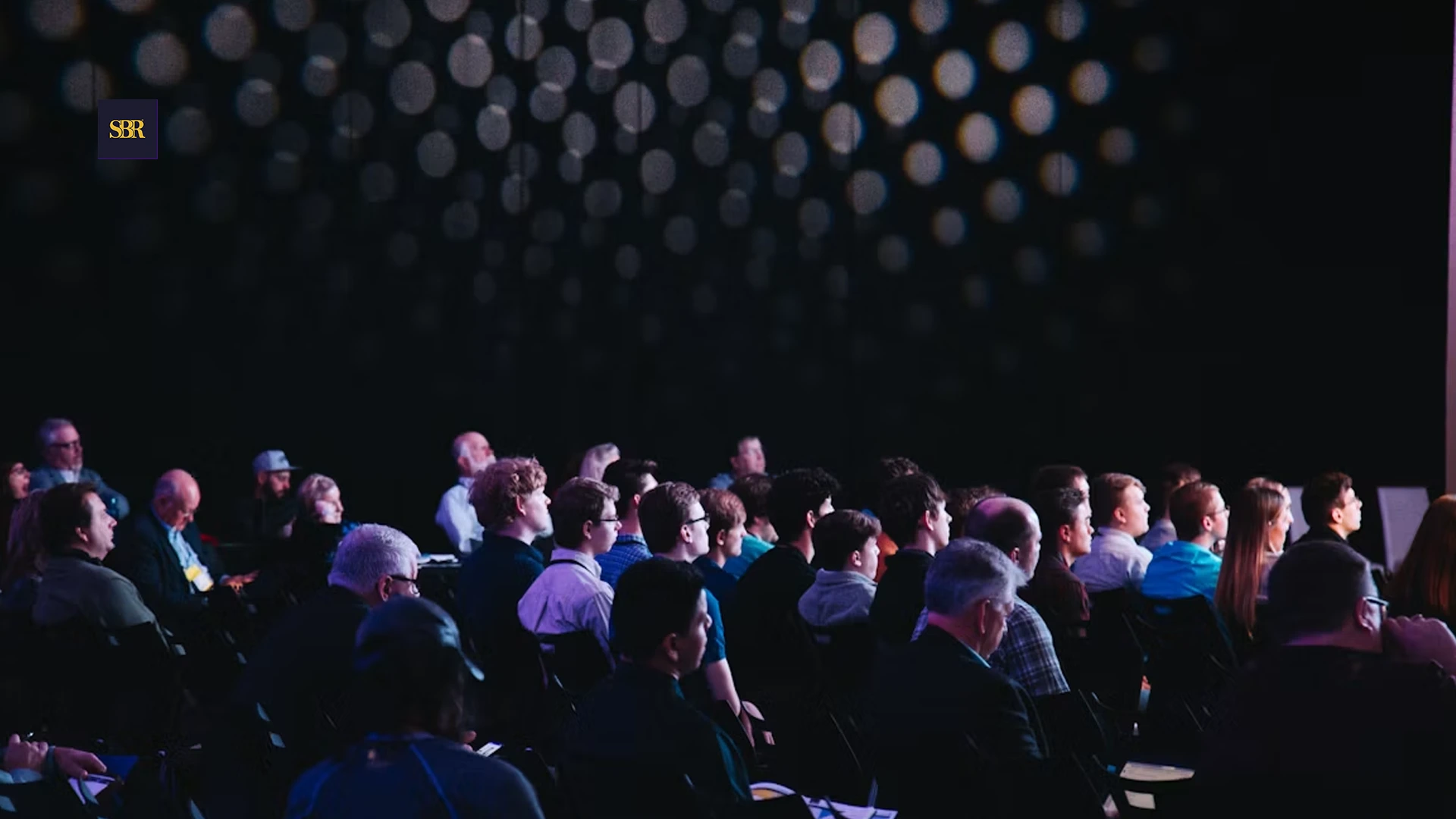
Photo credit: Unsplash
Fragmented attention creates more than momentary discomfort. Frequent shifts between sessions can keep attendees in a shallow, reactive mode rather than giving them time to absorb and apply what they just learned. Individuals who regularly switch between competing information streams tend to get worse at filtering out irrelevant material and sustaining focus. Applied to an event agenda, a day of short and disconnected sessions may make attendees feel unfocused and disengaged.
Key Elements for Designing Engaging Corporate Events
The following elements are evidence-based strategies for preventing event fatigue and creating sessions that energize attendees.
Structuring the Schedule to Prevent Burnout
An overpacked schedule drains attendees physically and mentally in equal measure, and the effect compounds the longer an event runs without a real reset. One company specializing in event management, Bishop-McCann, points out that when crammed schedules leave attendees overwhelmed, this exhaustion “eats away at an attendee’s enthusiasm for the program.”
Building in breaks and variety helps counter this decline. Mixing session lengths and formats, rather than running identical 45-minute blocks back-to-back, gives attendees room to recuperate before fatigue sets in. Strategic variation in pacing allows the brain to shift gears, so it does not have to maintain the same level of focus and attention for hours on end.
Incorporating Meaningful Wellness Initiatives
Integrating wellness in a way that actually addresses the invisible load attendees carry requires moving beyond simple schedule management. Business professionals arrive at corporate events already carrying significant mental and physical strain from their regular responsibilities. The Professional Convention Management Association (PCMA) Heartland Chapter explains that when guests arrive mentally and physically exhausted, their “ability to focus, absorb information, and engage with content is significantly reduced.”
Targeted cognitive resets combat this preexisting drain more effectively than traditional approaches. Instead of scheduling optional recovery activities that few attendees will choose, event designers should build unscheduled time directly into the agenda. Intentional breaks allow the brain to process information and restore the cognitive resources needed for genuine engagement in subsequent sessions.
Booking an Inspirational Speaker That Will Resonate
Speaker selection is a high-leverage decision in reducing or worsening event fatigue. A disengaging or overly generic speaker can undo the value of a well-structured schedule in a single session. Event planners should book someone whose material is tailored to the specific audience, not a reused generic talk, since relevance is what keeps a fatigued room actually listening.

Photo credit: Unsplash
Speaker selection can either reduce or worsen event fatigue. A disengaging or overly generic speaker can undo the value of a well-structured schedule in a single session. The distinction between a speaker who energizes and one who drains often comes down to how well their content aligns with the audience's specific challenges and interests. Event planners should book someone whose material is tailored to the specific audience, not a reused generic talk, since relevance is what keeps a fatigued room actually listening.
The booking process itself requires more than simply filling a speaker slot. Leading Authorities, a speakers bureau dedicated to matching event planners with relevant keynote speakers, notes that booking an inspirational speaker involves working with program consultants to identify candidates based on event objectives and audience needs, reviewing recommendations that account for availability and fees within budget, and coordinating pre-event communication to make sure the speaker arrives prepared to deliver material that resonates. This strategic matching addresses event fatigue by ensuring speakers deliver content a specific group of business professionals find genuinely valuable rather than draining.
Cultivating Lasting Value Through Intentional Planning
Understanding the science of event fatigue provides event planners with a clear framework for creating more effective corporate gatherings. Strategic schedule design that builds in genuine recovery time addresses fragmented attention and unresolved mental load at the source. Booking speakers who deliver relevant and engaging content is another critical piece of the puzzle. When every element of an event is designed with attendee cognition and energy levels in mind, the result is a gathering that business professionals find valuable rather than draining.
“Crammed schedules leave attendees overwhelmed,” according to Bishop-McCann, which warns that exhaustion can “eat away at an attendee’s enthusiasm for the program.”
About Eleanor Hecks
Eleanor Hecks is Editor-in-Chief of Designerly Magazine, where she explores how small businesses can thrive amid workplace transformation. Her writing on leadership, talent management and organizational strategy has appeared in publications such as Fast Company and HubSpot.











.webp)