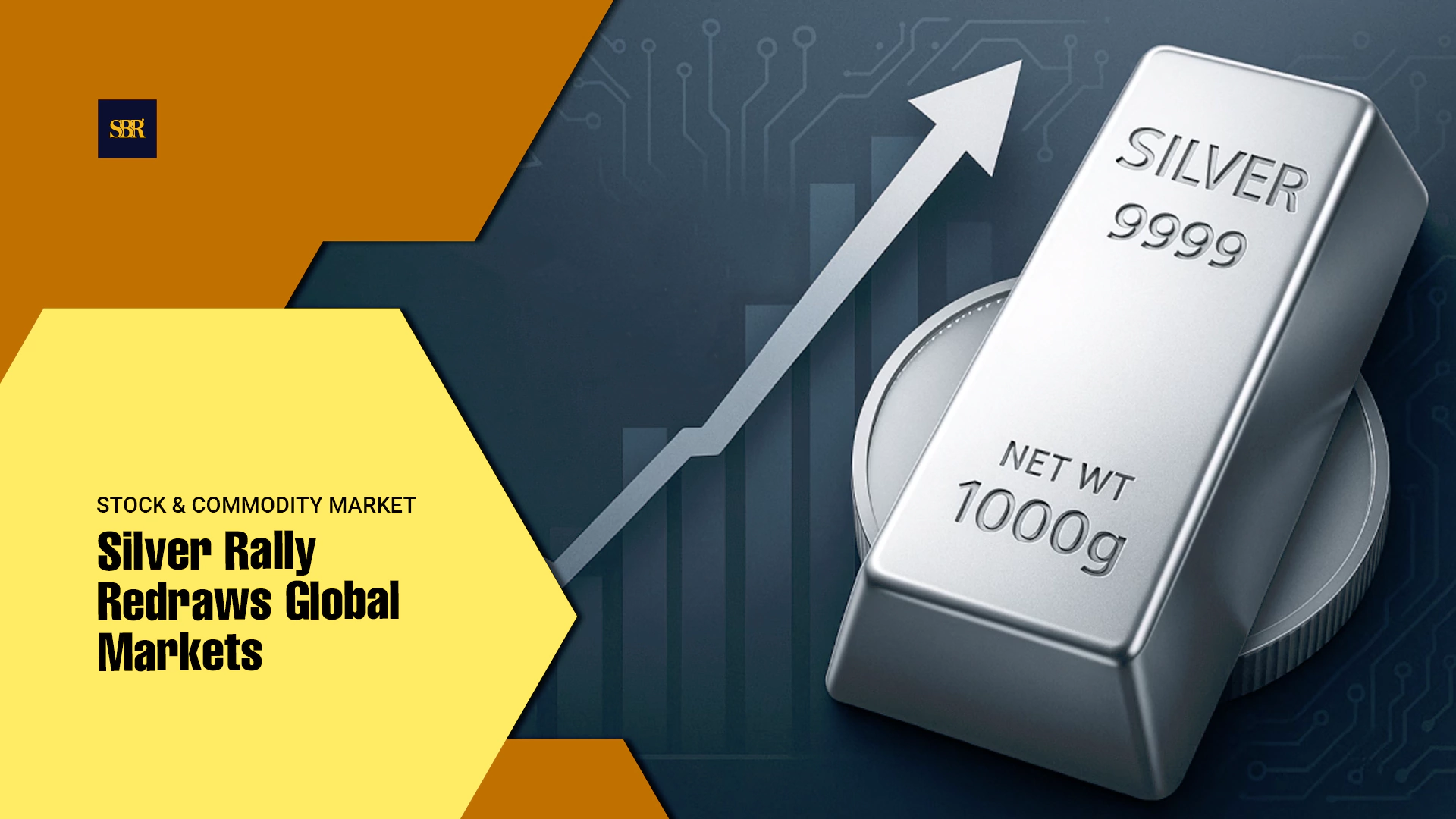
NEW YORK, Dec. 26, 2025 — Silver trades above 77 dollars an ounce, reaching a level few in the US market expected at this point in the cycle. The move coincides with gold and platinum hitting record levels, reinforcing that this rally spans the precious metals sector rather than reflecting an isolated event.
The scale of silver’s rise has changed how US investors and fund managers view the metal. Once considered a secondary hedge or an industrial input, silver now features alongside gold in portfolio discussions. Recent price movements have prompted reassessments across institutional and retail accounts, reflecting attention to both macroeconomic factors and industrial demand.
Demand and Supply Forces Come into Focus
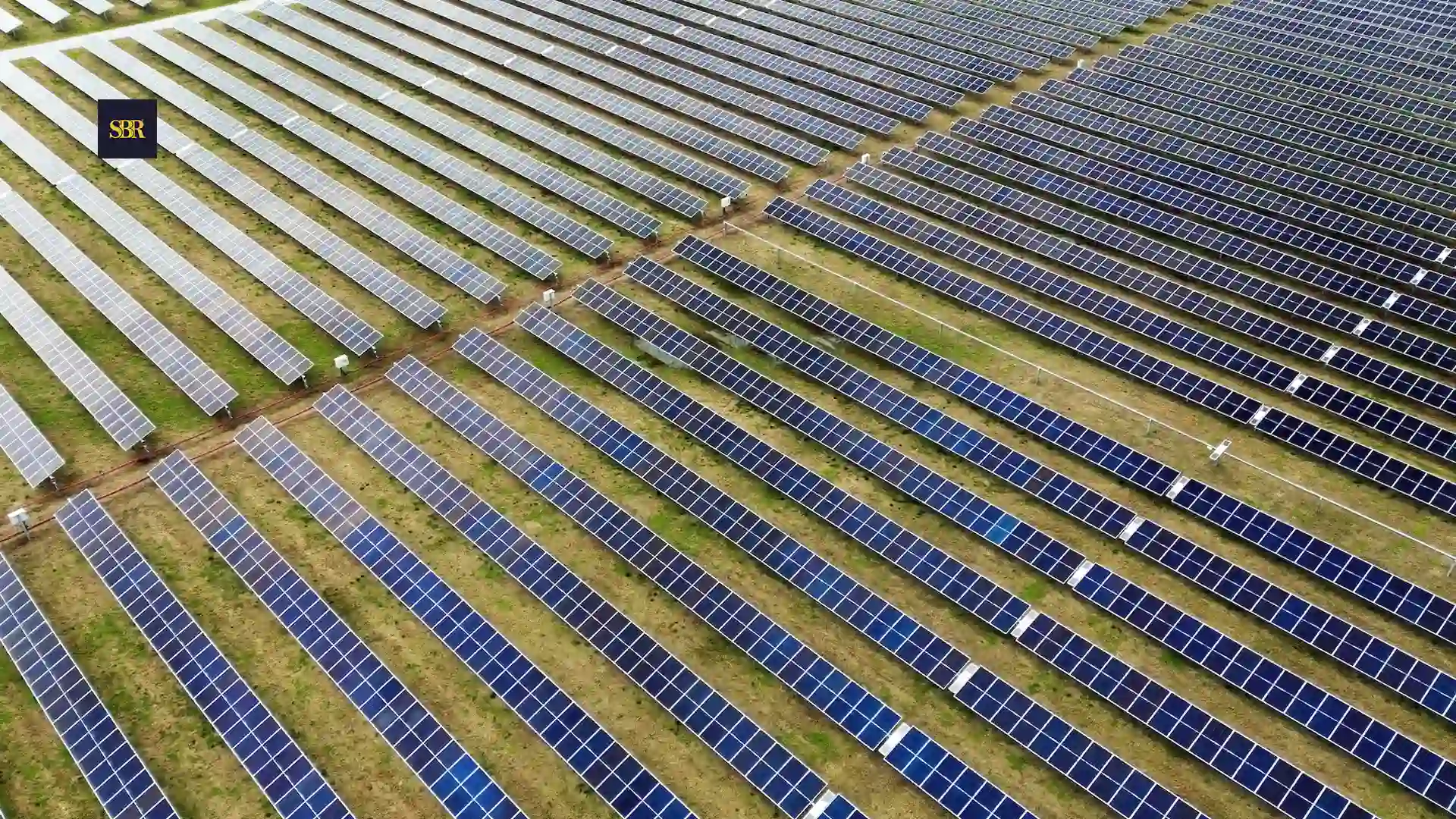
Silver’s performance stems from a combination of industrial consumption and constrained availability. In the United States, silver sees robust use in solar panel production, electric vehicles, and electronics manufacturing. These industries rely on the metal for conductivity and durability, and demand remains firm as investment in clean energy continues.
At the same time, domestic and global mining output has not kept pace with consumption. Recycling volumes provide only limited relief, leaving inventories thin by historical standards. This combination keeps prices sensitive to shifts in industrial orders and investor activity.
Can Silver Reach 100 Dollars?
US analysts and market commentators increasingly discuss silver approaching 100 dollars an ounce in 2026. Structural deficits, continued industrial uptake, and expectations of monetary easing in the United States all support the possibility of sustained high prices. A weaker dollar tends to favour silver, given its dual role as a commodity and hedge.
Not all projections align. Some expect the price to hold at elevated levels without pushing sharply higher. The variety of outlooks highlights uncertainty around timing rather than direction, with silver trading on a different footing than in past cycles.
Regional Effects and Market Behaviour
US Investors and Domestic Trade: In the United States, the rally has attracted attention from both retail and institutional investors. Exchange traded products linked to silver have seen inflows as fund managers adjust positions. Industrial buyers continue to secure supply for production, particularly in technology and energy sectors. US mining companies with silver exposure report gains in valuation, and trading volumes on domestic commodity exchanges reflect heightened activity.
Global and Cross-Border Effects: The US remains a key reference for pricing and flows. Silver prices internationally respond to US market movements, and policymakers watch metals as indicators of broader economic trends. Industrial buyers and investors alike track US benchmarks closely to guide decisions across regions.
Silver’s Position in US Markets: The rally has reinforced silver’s relevance in US financial and industrial systems. Price levels attract new participants while prompting reassessment of long-term allocations. Investors monitor Federal Reserve signals and geopolitical developments closely, knowing that both influence demand and price behaviour.
What This Means for US Investors
For US investors, silver’s elevated levels suggest attention to risk management and strategy is essential. While the metal continues to respond to global demand and monetary developments, its prominence means that decisions around exposure and timing carry broader implications for portfolios. Traders, manufacturers, and portfolio managers alike are factoring silver into their planning for 2026, making it a focal point in discussions that once centered mostly on gold.
The US remains a key reference for pricing and flows. Silver prices internationally respond to US market movements, and policymakers watch metals as indicators of broader economic trends. Industrial buyers and investors alike track US benchmarks closely to guide decisions across regions.