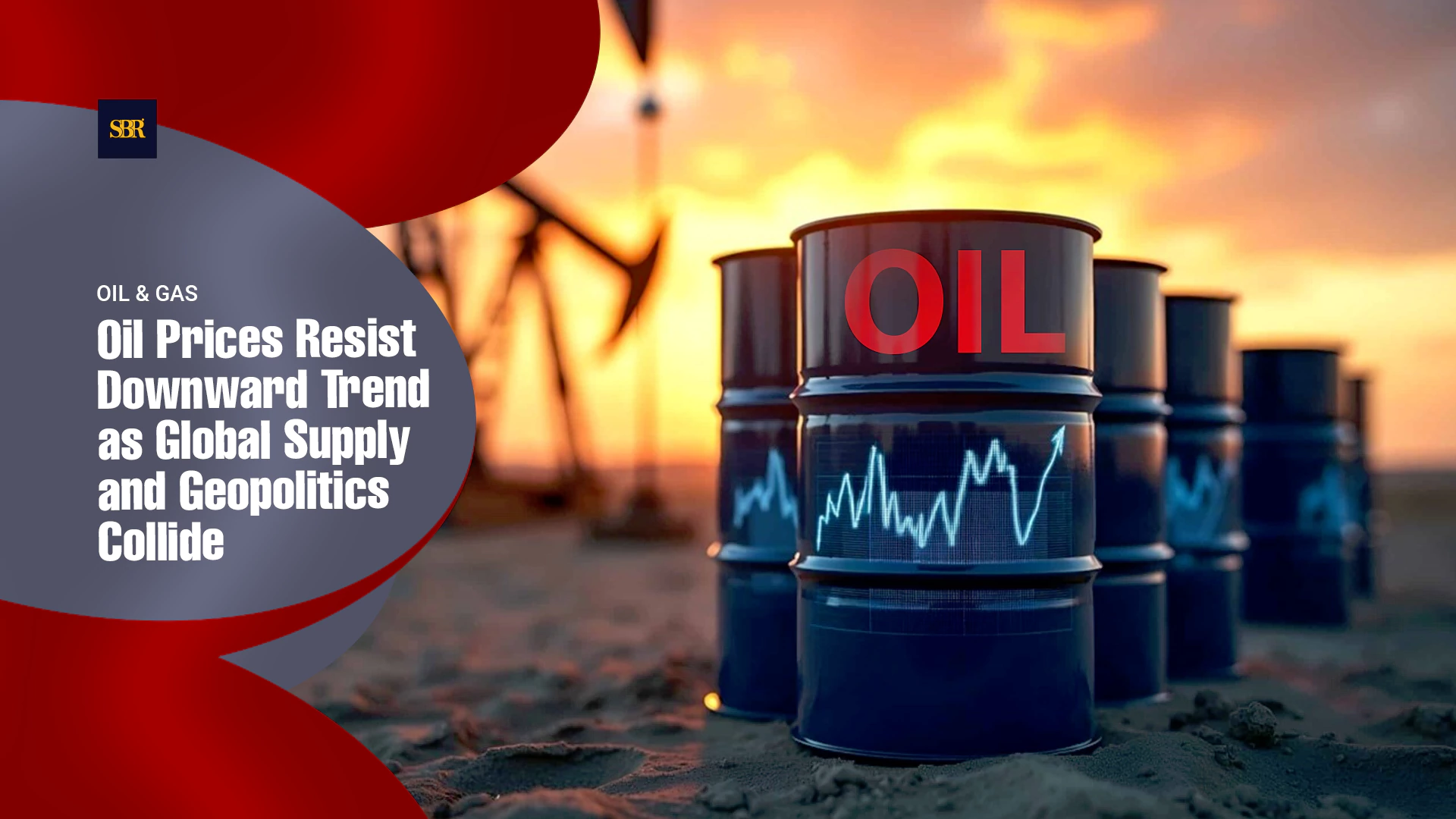
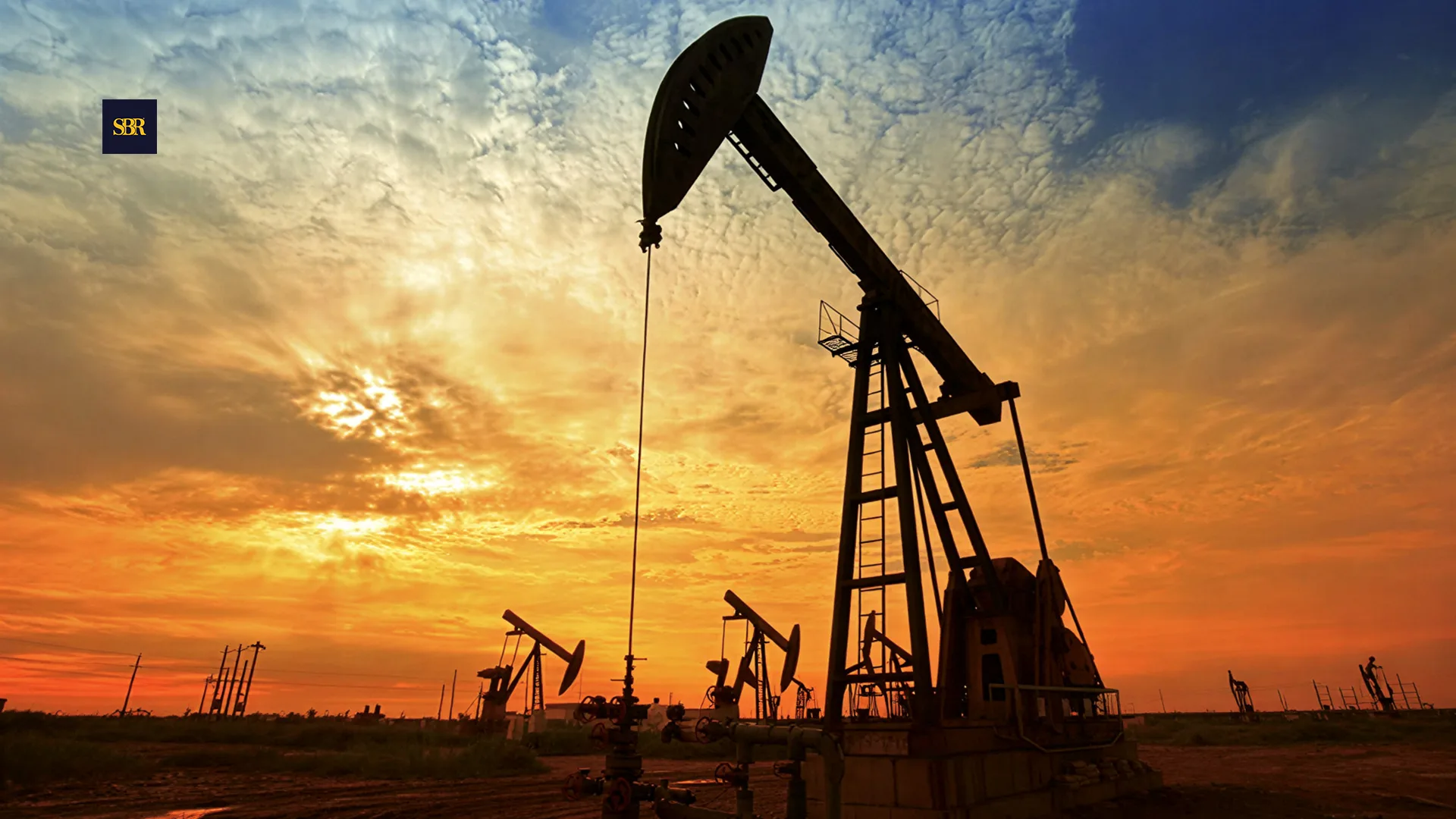
NEW YORK, Dec. 27, 2025 — Global oil markets ended the year in a familiar state of tension. Prices edged higher in quiet post-Christmas trading, defying expectations of a sharper pullback despite widespread agreement that supply remains abundant. Brent crude hovered in the low sixties while US benchmarks stayed below 60, modest gains that spoke less to enthusiasm and more to caution. Traders appeared unwilling to push prices lower while geopolitical uncertainty once again intruded on an already fragile balance.
Venezuela dominates market risk calculations, where renewed US actions have put a spotlight on supply from the Caribbean. While the volumes involved are modest on a global scale, the symbolism is powerful. Markets that have spent much of the year focused on oversupply are now being forced to account for political decisions that could disrupt flows with little warning.
A Market Balanced on Sentiment
Holiday trading conditions exaggerated the sense of drift. With many desks lightly staffed, even small news items carried outsized influence. Prices moved higher not on the back of strong buying but because sellers stepped aside. That dynamic underlines the fragile psychology of the oil market as the year closes.
Fundamentals still argue for caution. Production from major exporters remains high, inventories are comfortable, and demand growth forecasts for the coming year look subdued. Yet prices have refused to slide decisively. The reason lies in perception as much as data. Investors are wary of assuming that geopolitical risk will remain contained, particularly when policy decisions rather than physical shortages drive the narrative.
The result is a market that drifts upward in the absence of conviction, supported by risk awareness rather than consumption strength.

Venezuela and the Politics of Supply
The renewed focus on Venezuelan crude has reintroduced a political premium that many believed had faded. Tighter enforcement of sanctions and closer scrutiny of tanker movements have complicated export routes and raised questions about how much oil can realistically reach global markets.
For years, Venezuelan supply has been discounted by traders who learned to work around restrictions. What has changed is the tone. Recent actions suggest a willingness to enforce rules more aggressively, increasing uncertainty for buyers and shippers alike. Even if actual supply losses remain limited, the perception of risk carries weight.
Beyond Venezuela, security concerns in other producing regions continue to simmer. Events that might once have been ignored now gain traction in a market primed to react. That sensitivity helps explain why prices have resisted deeper declines even as data points toward surplus.
Can Geopolitics Keep Prices Afloat?
This question hangs over the market heading into the new year. History suggests that political risk can support prices only for so long when supply is plentiful. Traders ultimately return to inventory levels, production trends, and demand signals.
Still, geopolitics can delay that reckoning. Each new headline forces reassessment and encourages caution among those inclined to bet on lower prices. In that sense, risk acts as a floor rather than a catalyst, preventing sharp drops without driving a sustained rally.
Much depends on whether political pressure translates into tangible supply disruption. Without that, the market may struggle to justify current levels once trading volumes normalize.
The Weight of Global Oversupply: Despite the noise, the structural picture remains challenging for oil bulls. Production across OPEC and non-OPEC producers continues at elevated levels, reflecting both strategic choices and economic necessity. The United States remains a major contributor, adding barrels that limit the impact of disruptions elsewhere.
Demand growth, meanwhile, shows signs of fatigue. Economic uncertainty in key consuming regions has tempered expectations, and efficiency gains continue to curb consumption growth. These forces combine to create a ceiling that prices have repeatedly failed to break.
Production Discipline Under Strain: Efforts to manage output face internal and external pressures. Some producers need revenue and are reluctant to curb supply, while others question the effectiveness of coordinated restraint in a market awash with alternative sources. This lack of cohesion undermines attempts to engineer higher prices through discipline alone.
Sanctions and Shadow Flows: Sanctions regimes have given rise to complex trading networks designed to move oil outside traditional channels. These shadow flows blur the true picture of supply and complicate enforcement. While they add uncertainty, they also highlight the adaptability of the market, which has repeatedly found ways to move crude despite restrictions.
What Comes Next for Oil Markets
As full trading resumes in January, the oil market will face a clearer test. Without the cushion of thin volumes, prices will need stronger justification to remain elevated. Geopolitical risk can provide that support temporarily, but fundamentals will reassert themselves.
For now, oil prices are resisting a downward trend not because the outlook has improved, but because uncertainty has returned. That resistance may persist in the short term, yet the longer story remains one of abundant supply searching for sufficient demand. The collision between politics and production will continue to shape prices, even as the market waits for a decisive signal on which force will prevail.
Markets that have spent much of the year focused on oversupply are now being forced to account for political decisions that could disrupt flows with little warning.




.webp)