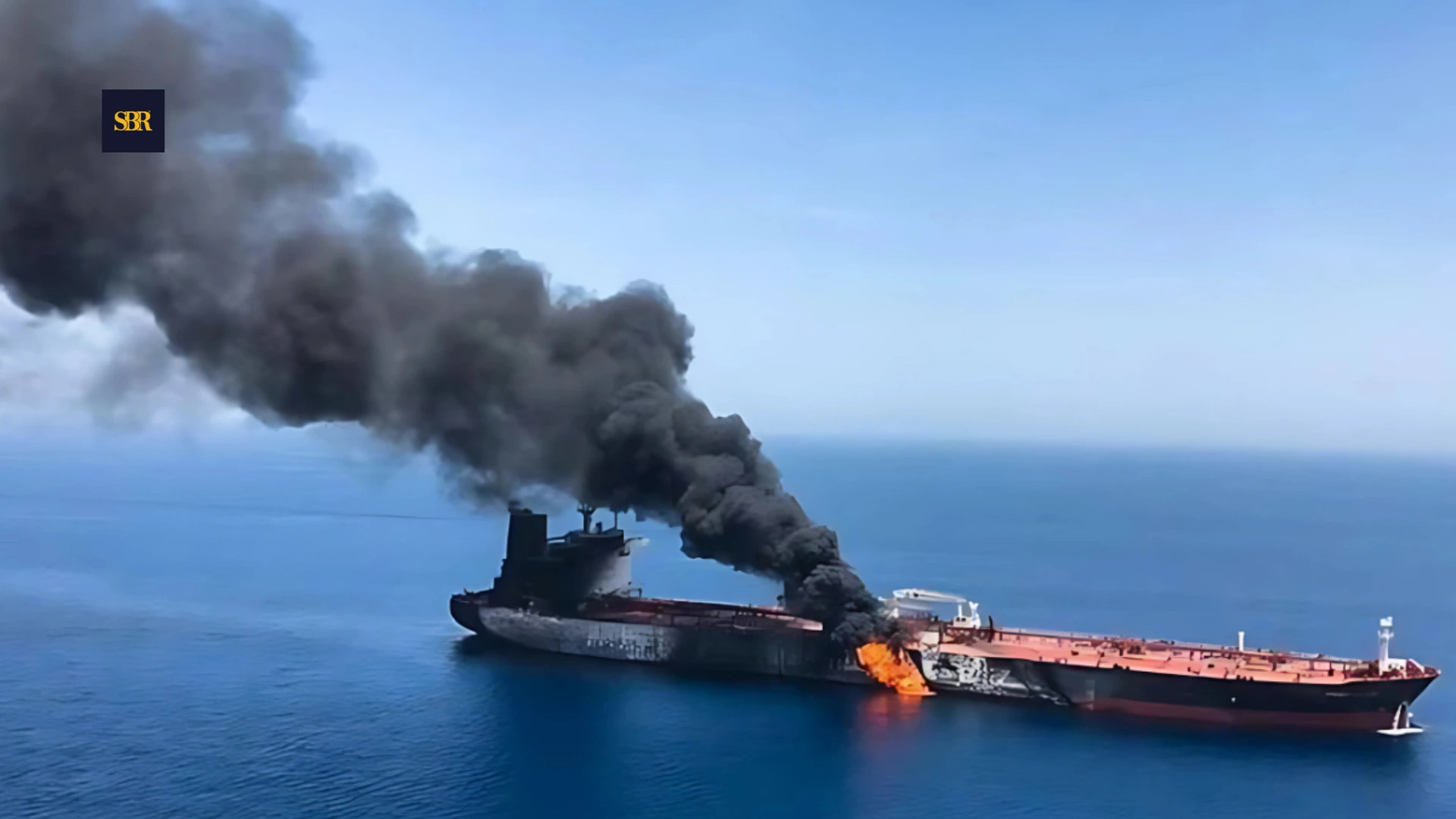
SINGAPORE, March 2, 2026 — Traffic through the Strait of Hormuz has plunged as commercial vessels stop transiting and instead anchor in surrounding waters after escalating hostilities in the region. Ship tracking data cited in the Reuters report show that a large number of tankers have paused outside the waterway, reflecting widespread caution among operators who normally rely on uninterrupted passage through the corridor.
The strait links the Persian Gulf with the Gulf of Oman and serves as one of the world’s most important maritime routes for crude oil and liquefied natural gas shipments. When traffic declines in this narrow passage, global energy logistics adjust quickly because a substantial share of seaborne petroleum exports typically flows through the channel. The recent slowdown represents a significant departure from routine movement patterns.
Iran declared that navigation through the strait was closed following strikes and retaliation in the region. Although no formal international blockade has been announced, vessel movement has been severely reduced. Shipping companies responded by halting departures or holding ships in anchorage zones until conditions become more stable.
Reuters reported that at least four tankers were damaged during recent incidents, and two seafarers were killed. Those events intensified caution among shipowners and contributed to the broader decision to limit transit. Industry officials said the combination of physical danger and operational uncertainty has altered the normal rhythm of maritime trade in the area.
Tanker Damage Raises Stakes for Operators
Crews Face Elevated Risk After Multiple Strikes: Damage to commercial vessels has shifted the focus of shipping firms toward crew safety and asset protection. When ships are struck, operators must evaluate structural integrity, review safety procedures and coordinate repairs while ensuring that personnel remain secure. The reported incidents have underscored how quickly commercial shipping can be affected by military developments.
Crew members working in the region face heightened risk as vessels move through waters where strikes have occurred. Shipping companies typically prioritize the welfare of their crews, and the recent damage has prompted many operators to avoid immediate transit through the strait. The decision to anchor offshore reflects efforts to reduce exposure until a clearer security environment emerges.
The presence of damaged ships in the region also affects scheduling and fleet deployment. Vessels that require inspection or repair cannot return to service until assessments are complete, which further reduces available shipping capacity. That reduction contributes to the visible clustering of tankers outside the waterway.
Insurance Withdrawals Complicate Transit Decisions: Marine insurers have withdrawn war risk coverage for vessels operating in parts of Iranian waters and nearby Gulf seas, with cancellations set to take effect March 5. Companies including major international underwriters informed clients that they would no longer provide standard protection under current conditions.
The withdrawal of coverage increases financial exposure for shipowners considering passage through the Strait of Hormuz. Without war risk insurance, operators face greater liability if vessels are damaged, which has led many firms to delay departures or hold ships in safe anchorage. Insurance decisions often shape maritime behavior, and the recent changes have contributed directly to the drop in traffic.
Higher freight rates have accompanied the disruptions. Shipping brokers told Reuters that charter costs on key routes have climbed to multi year highs as vessel availability tightens and owners weigh the risks of transit. Some companies have explored alternative routes, including longer voyages around southern Africa, although those options increase fuel consumption and extend delivery timelines.

Energy Markets Respond to Disruption
The Strait of Hormuz typically handles about one fifth of global seaborne oil flows, making it a critical artery for international energy trade. When traffic declines sharply, traders monitor developments closely because changes in transit levels can influence expectations for supply and pricing.
With tankers anchored offshore, buyers in major importing regions are reviewing inventories and shipment schedules. The slowdown has introduced uncertainty into energy markets, prompting adjustments in trading strategies and contract planning. The reduction in vessel movement highlights how regional conflict can quickly affect global logistics networks.
Oil and gas flows through the strait support energy demand across Asia, Europe and other markets. When transit falls, refiners and utilities may rely more heavily on stored reserves while they assess future deliveries. Market participants track shipping data as an indicator of potential shifts in availability, and the current clustering of vessels signals a meaningful interruption to normal operations.
Outlook Tied to Regional Stability
The duration of the shipping slowdown depends on developments in the broader conflict and the response of insurers and governments. If hostilities ease and coverage terms return to standard levels, vessel movement could gradually resume. Until then, many tankers are expected to remain anchored outside the strait.
Shipping companies continue to balance operational costs, crew safety and insurance requirements as they decide whether to proceed through the corridor. The Strait of Hormuz remains the most direct route for many Gulf exports, yet current conditions have reduced traffic to a fraction of typical volumes.
The situation underscores the vulnerability of major maritime chokepoints during periods of conflict. With vessels damaged, crews harmed and insurance withdrawn, the flow of traffic through the waterway has slowed significantly, leaving tankers offshore and global energy markets watching for signs of change.
Crew members working in the region face heightened risk as vessels move through waters where strikes have occurred. Shipping companies typically prioritize the welfare of their crews, and the recent damage has prompted many operators to avoid immediate transit through the strait.






.webp)