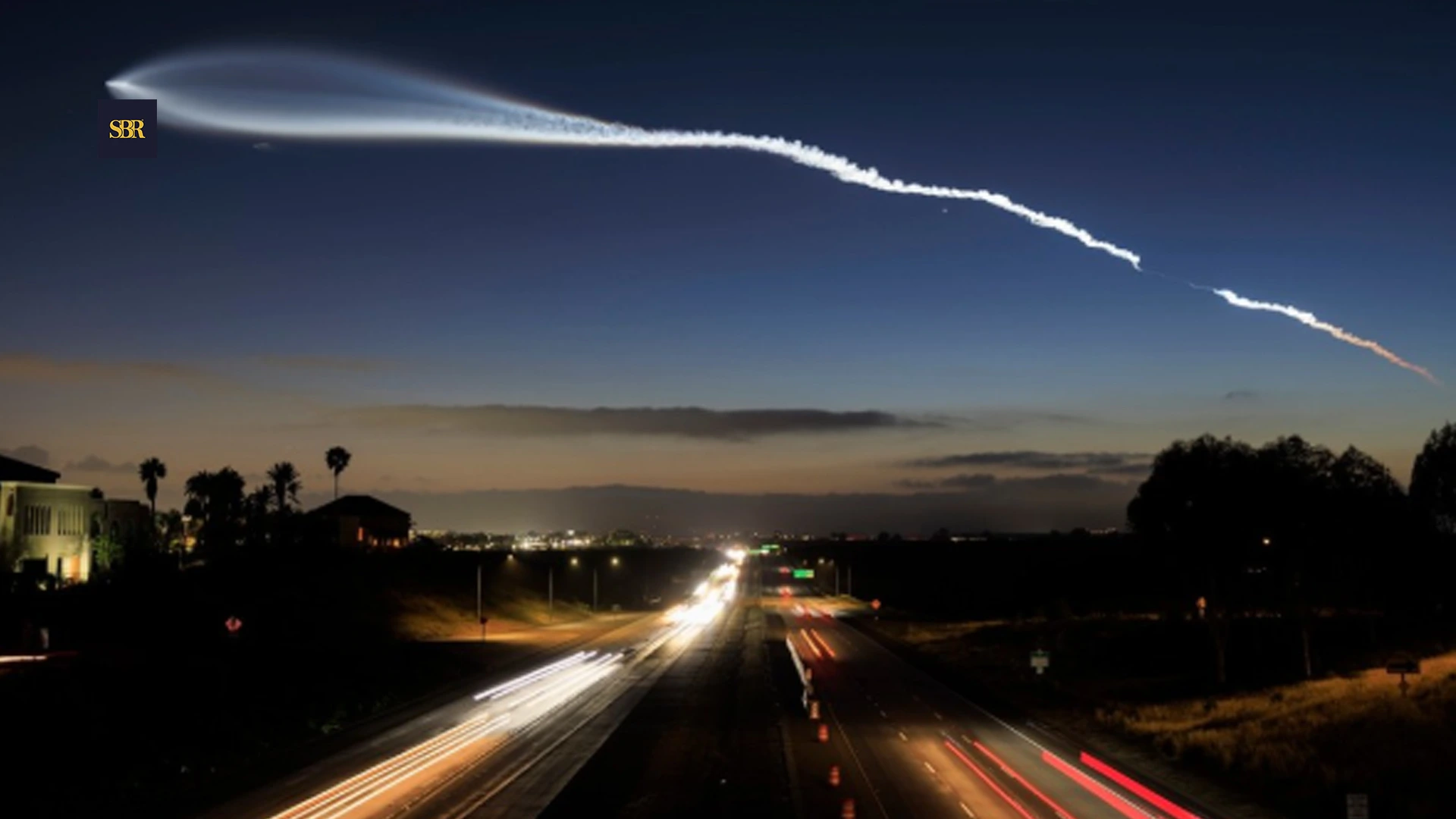
SEOUL, South Korea, June 1, 2026 — Unastella started out conducting early rocket experiments from a home in South Korea. Early work focused on small liquid propulsion tests carried out with limited resources and basic fabrication tools. Development moved forward through repeated test cycles involving the build and refinement of engine prototypes.
Early propulsion studies examined combustion behaviour, injector design, and chamber stability. Hardware was built, tested, and adjusted based on measured performance data. Each round of testing informed changes to fuel delivery systems and structural components.
In the initial stages, work took place outside established aerospace facilities. Progress relied on gradual prototype refinement and close review of test results. Over time, testing moved from basic ignition checks to more structured engine firing sessions.
Interest in the project grew among observers tracking independent aerospace work in South Korea. Attention centred on the unusual early setup and the shift from home-based experimentation into more formal engineering development.
Funding Round Attracts Global Investor Attention
Unastella secured $24 million in a funding round supported by investors active in early-stage space launch development and propulsion research. Capital inflow supports the expansion of test infrastructure, engineering capacity, and propulsion validation work.
Investor participation followed evaluation of propulsion test records and engineering progress achieved through repeated prototype cycles. The transition from small-scale experiments to structured engine testing contributed to confidence among funding participants.
Investor Interest from Space Technology Backers: Funding participation included groups with experience in propulsion systems, spacecraft engineering, and early launch ventures. Evaluation focused on engine test data, propulsion stability results, and progress in hardware iteration cycles.
Investor discussions highlighted the startup's record of producing functional test engines under constrained early conditions. Progress in combustion stability testing and injector refinement contributed to funding interest.
Allocation Toward Engineering and Test Expansion: A share of the funding goes toward expanding propulsion testing facilities for higher thrust engine trials. The rest of the capital is allocated to laboratory upgrades, test rig construction, and improved instrumentation for engine evaluation.
Funding also supports the development of avionics hardware, including telemetry systems and onboard control units. Recruitment efforts focus on propulsion specialists, materials engineers, and flight systems engineers to support structured testing programs.

Engineering Development and Propulsion Work
Engineering activity at Unastella centers on liquid propulsion systems designed for iterative performance testing. Engine development work focuses on combustion stability, nozzle shaping, and thermal tolerance under repeated firing conditions.
Propulsion testing includes measurement of thrust output, chamber temperature, and pressure behavior during engine burns. Data from these tests informs modifications to injector geometry and fuel delivery systems across successive prototypes.
Structural development work focuses on reducing vehicle mass while maintaining durability under launch stress conditions. Material selection studies evaluate thermal resistance and vibration tolerance during engine ignition cycles.
Avionics development follows a modular structure. Individual subsystems such as telemetry units, navigation sensors, and control electronics undergo independent testing before integration into full propulsion systems. This separation allows isolated evaluation of hardware performance.
Ground testing infrastructure supports engine evaluation through static fire setups and remote monitoring systems. Safety shielding and data acquisition tools are used during firing tests to record engine behavior under controlled conditions.
Future Launch Development and Testing Plans
Funding allows expansion of propulsion testing programs toward higher thrust engine systems and integrated vehicle trials. Development work includes multi-engine configurations and long-duration burn testing under controlled conditions.
Testing progression is expected to move from component-level evaluation toward full system integration trials. This includes structural load testing, engine cluster evaluation, and extended firing sessions designed to measure durability.
Regulatory preparation within South Korea forms part of the upcoming work. Compliance with aerospace testing rules and launch licensing requirements will guide scheduling for higher altitude experimental flights.
Recruitment activity supports the expansion of engineering capacity across propulsion chemistry, structural design, and flight systems development. New hires are expected to support testing operations and hardware validation work.
Future development discussions include orbital-class launch vehicle concepts, though current work remains focused on propulsion validation and suborbital testing readiness. Progress in engine reliability and structural performance will determine readiness for more advanced flight trials.
Unastella secured $24 million in a funding round supported by investors active in early-stage space launch development and propulsion research. Capital inflow supports the expansion of test infrastructure, engineering capacity, and propulsion validation work.







ft.webp)
FT.webp)


ft.webp)
FT.webp)
 ft...webp)
 sme.webp)