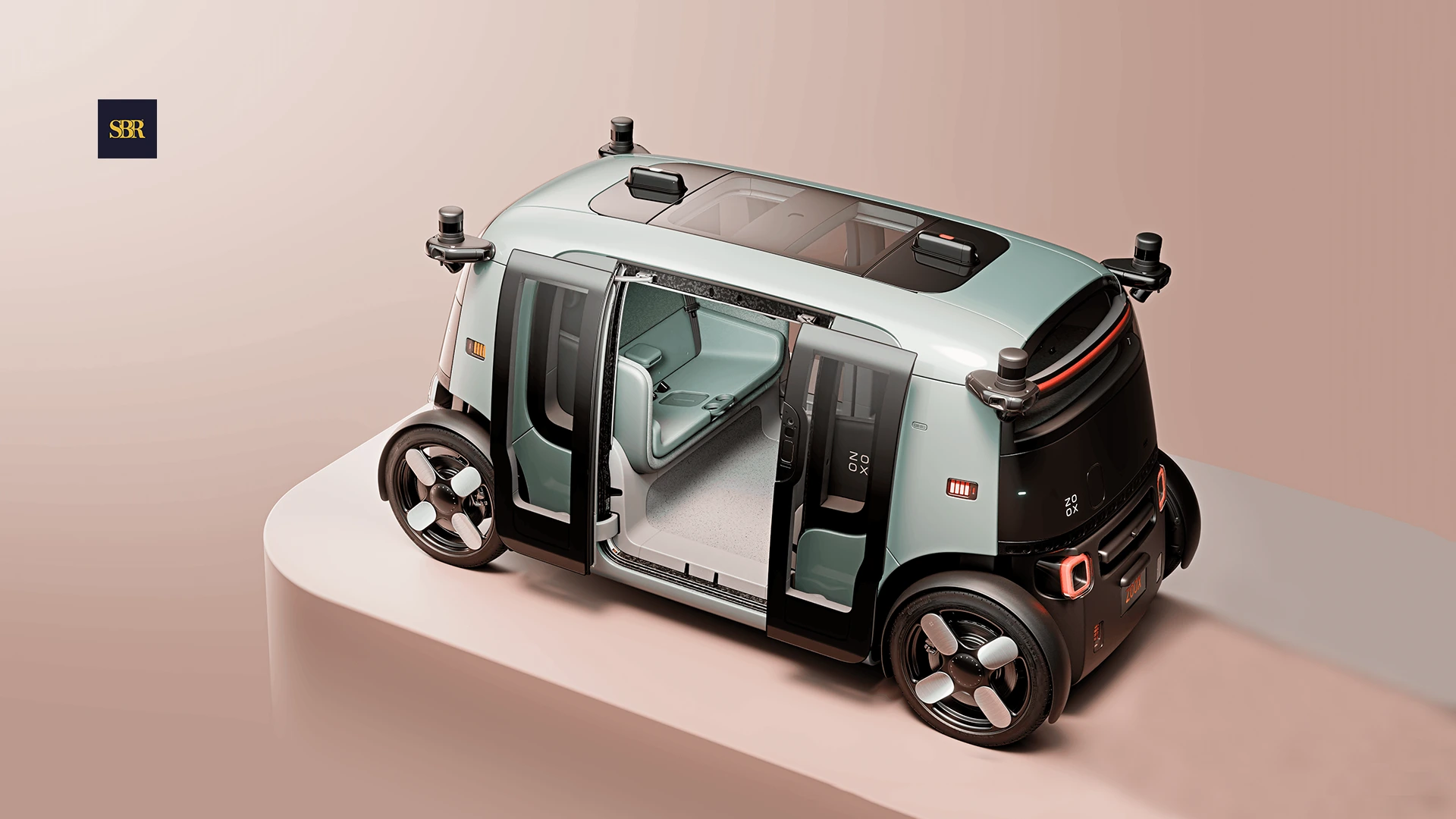
FOSTER CITY, Calif., July 30, 2026 — The National Highway Traffic Safety Administration, or NHTSA, has granted Zoox a temporary exemption that allows the Amazon-owned autonomous vehicle technology company to charge customers for rides in its purpose-built robotaxis. The decision, announced Thursday and published in the Federal Register, removes one of the final federal regulatory hurdles before Zoox begins commercial robotaxi operations. The exemption allows Zoox to operate vehicles that do not include several traditional driving controls required under existing federal motor vehicle safety standards. Unlike conventional passenger vehicles, Zoox robotaxis do not have steering wheels or pedals, as they are designed specifically for fully autonomous operation.
The NHTSA exemption covers eight federal motor vehicle safety standards, including requirements related to windshield defrosting systems and light vehicle braking systems. Nearly a year before receiving this approval, Zoox was granted permission by the agency to demonstrate its robotaxis on public roads and provide passenger rides in cities such as San Francisco and Las Vegas. However, those rides were limited to demonstrations because the company was not permitted to charge customers. The latest exemption allows Zoox to begin paid passenger service while remaining subject to regulatory oversight and operational limits.
Zoox Robotaxis Move from Testing to Paid Passenger Service
Zoox has developed a purpose-built autonomous vehicle designed specifically for ride-hailing services rather than modifying an existing passenger vehicle platform. The company’s robotaxis feature a unique design without traditional driver controls, enabling passengers to travel without a human operator. Under the federal exemption, Zoox’s commercial fleet will be limited to 2,500 vehicles annually for two years. The NHTSA has also established an enhanced, adaptable oversight structure that can evolve as Zoox’s autonomous driving technology develops and additional operational data becomes available.
A Zoox spokesperson said the company will soon begin charging for its service, starting in Las Vegas. Additional markets will follow after the company completes state-level requirements for commercialization. In California, where Zoox is headquartered, conducts autonomous vehicle testing, and currently provides free passenger rides, the company still requires driverless deployment permits from the California Public Utilities Commission and the Department of Motor Vehicles. Zoox CEO Aicha Evans said the approval represents an important milestone for the company and autonomous mobility, noting that the exemption is the first commercial approval from NHTSA for a purpose-built robotaxi.

NHTSA Updates Rules to Enable Automated Vehicle Innovation
The Zoox announcement was part of a broader series of autonomous vehicle technology updates from the NHTSA. The agency also announced changes to its exemption process, allowing automakers to temporarily sell a limited number of vehicles that do not comply with certain federal motor vehicle safety standards, primarily for testing new technologies. The updated process is intended to support the evaluation of emerging vehicle systems while maintaining federal oversight requirements for safety performance.
The NHTSA also announced a partnership with SAE Industry Technologies Consortia that will fund a three-year, $5 million initiative focused on collecting autonomous vehicle data and supporting the development of safety standards. The program will involve industry participants and researchers working toward a single national standard for evaluating automated driving systems. Jonathan Morrison, NHTSA Administrator, said the agency supports the safe development and deployment of automated vehicles and believes removing unnecessary regulatory barriers, creating industry guidance, and maintaining enforcement oversight will help the United States remain competitive in autonomous vehicle technology.

Photo credit: Zoox
Regulatory Reviews Continue Across Autonomous Vehicle Sector
Alongside the Zoox exemption, the NHTSA announced that it is reviewing an exemption application from Los Angeles-based startup Robomart for its low-speed autonomous delivery vehicle. The vehicle, designed for transporting goods without a human driver, can carry up to 500 pounds of cargo. The agency said it will publish a separate notice requesting public comments on Robomart’s application after completing its initial evaluation.
Zoox’s approval represents an important development for the autonomous transportation sector as companies move from public demonstrations toward commercial services. The decision highlights the changing regulatory process surrounding vehicles designed without conventional controls and reflects government efforts to evaluate new transportation technologies through testing, data collection, and oversight. As autonomous vehicle companies seek commercial deployment across more locations, federal and state agencies will continue reviewing safety requirements and operational standards. For Zoox, the exemption creates a path toward paid robotaxi services, beginning in Las Vegas and potentially expanding to additional markets after regulatory approvals are secured.
The NHTSA has established an enhanced, adaptable oversight structure that can evolve as Zoox’s autonomous driving technology develops and additional operational data becomes available.






.webp)