
NEW YORK, March 2, 2026 — U.S. stock index futures fell sharply Monday after the conflict in the Middle East widened, unsettling global markets and driving energy prices higher. The decline signalled a weaker open for equities as traders reacted to reports of expanded military strikes and retaliation involving Israel, Iran and U.S. forces.
Futures tied to the Dow Jones Industrial Average dropped more than 1 percent in overnight trading. Contracts linked to the S&P 500 and the Nasdaq Composite also moved lower, reflecting broad concern over geopolitical risk and its potential effects on growth and inflation.
The weakness in futures followed heightened tensions over the weekend, when reports of cross border attacks intensified fears that the confrontation could spread further. Investors responded by reducing exposure to risk assets and reassessing positions across global markets.
Oil Prices Jump on Supply Concerns
Energy markets reacted quickly as traders priced in the possibility of disruptions to production and shipping routes. Global benchmark Brent crude rose sharply in early trading, reaching its highest levels in more than a year before easing later in the session. U.S. benchmark West Texas Intermediate also advanced.
Strait of Hormuz Raises Market Anxiety: Oil traders focused on the Strait of Hormuz, a key route for global crude shipments, as fighting intensified in the region. Any disruption to tanker traffic through the waterway could restrict supply and send prices higher, given that a significant share of the world’s oil flows through the passage each day.
Market participants said even the risk of interference was enough to prompt defensive positioning, with energy contracts reacting quickly to developments over the weekend. The possibility of broader escalation added to uncertainty around production, exports and shipping schedules.
Higher Energy Costs Add Inflation Risks: The jump in crude prices fed concerns about inflation, since fuel costs influence transportation, manufacturing and consumer spending. Sustained gains in oil can filter through supply chains and affect pricing across multiple sectors, creating added challenges for policymakers and businesses.
Investors noted that elevated energy costs may complicate expectations for monetary policy if price increases persist. Market pricing reflected that concern, as traders adjusted portfolios in response to both geopolitical risk and the potential economic effects of higher fuel expenses.

Investors Turn to Defensive Assets
As equities weakened and oil moved higher, investors sought safety in traditional havens. Gold gained as demand increased for assets viewed as stores of value during periods of instability. U.S. Treasury yields declined, reflecting stronger bond prices as buyers moved into government debt.
The U.S. dollar strengthened against several major currencies, a pattern commonly associated with heightened market uncertainty. At the same time, volatility indicators climbed, signaling expectations of larger price swings in the sessions ahead.
Traders said geopolitical developments can prompt rapid portfolio adjustments, especially when the scope of a conflict remains uncertain. Market reactions often depend on whether tensions escalate further or show signs of containment.
Economic Data and Policy in Focus
The geopolitical escalation comes as investors await important U.S. economic reports, including data on employment and manufacturing. Those releases could shape expectations for future interest rate decisions by the Federal Reserve.
Energy prices play a key role in inflation trends, and sustained gains in crude could influence broader cost measures. That possibility has added another layer of uncertainty for investors already weighing economic signals and corporate earnings trends.
Strategists noted that while markets sometimes recover after initial geopolitical shocks, prolonged conflict that disrupts trade routes or energy infrastructure can weigh on corporate profits and global growth. For now, participants remain focused on headlines from the region and their implications for risk appetite.
Sector Performance Diverges
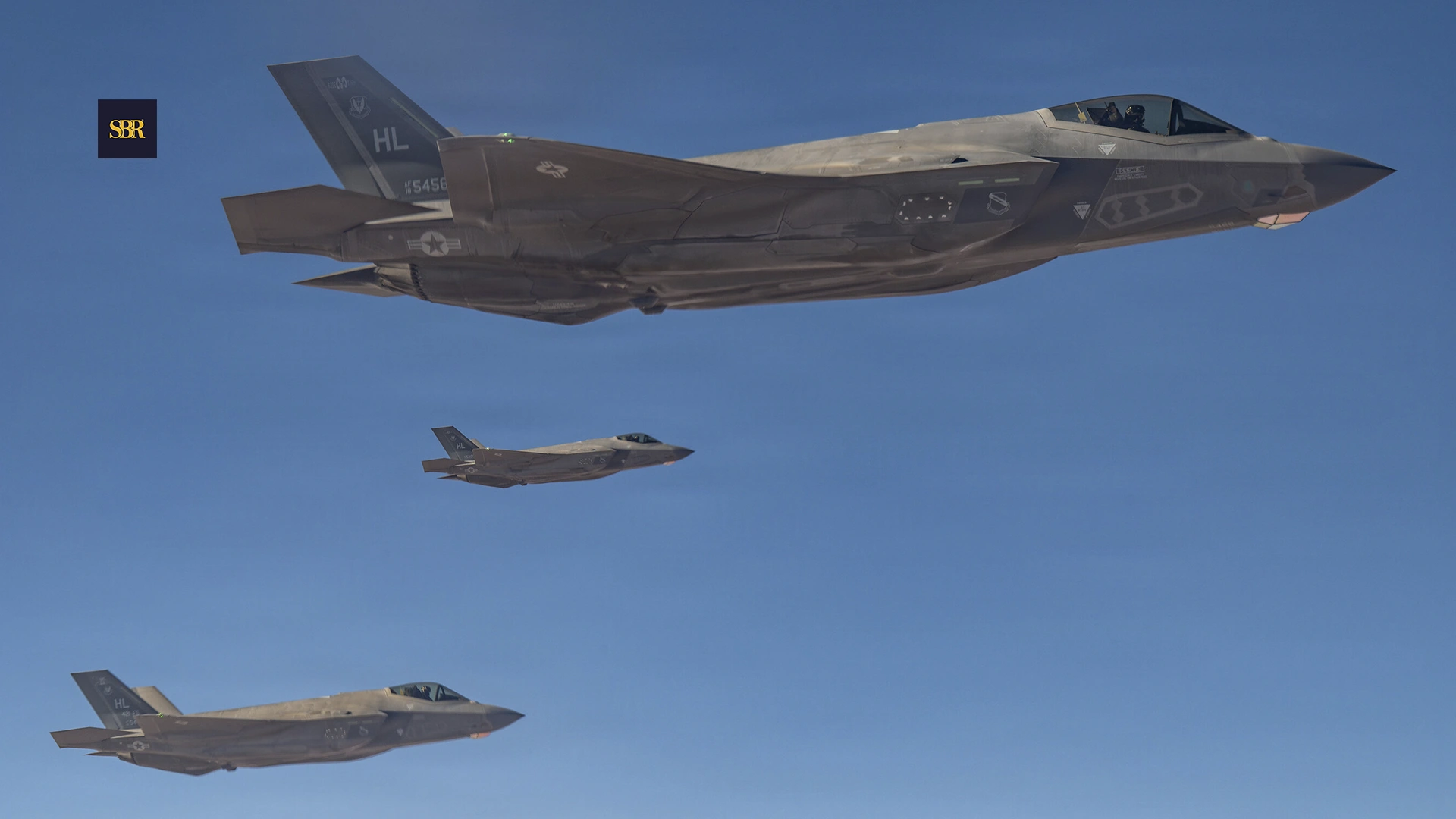
Premarket trading showed uneven moves across industries. Defense related companies posted gains on expectations of increased government spending tied to security concerns. Energy stocks also benefited from stronger oil prices.
Airlines and travel companies declined as higher fuel costs and potential route disruptions weighed on sentiment. Technology shares also came under pressure as investors trimmed exposure to higher valuation segments during periods of uncertainty.
The varied performance underscored how geopolitical events can shift investor preferences across sectors. While broad index futures pointed lower, individual industries reacted according to their sensitivity to energy prices, global trade conditions and government policy.
With oil elevated, bond yields lower and equity futures under pressure, markets entered the week facing heightened volatility and close attention to developments in the Middle East.
Energy prices play a key role in inflation trends, and sustained gains in crude could influence broader cost measures. That possibility has added another layer of uncertainty for investors already weighing economic signals and corporate earnings trends.
















.webp)