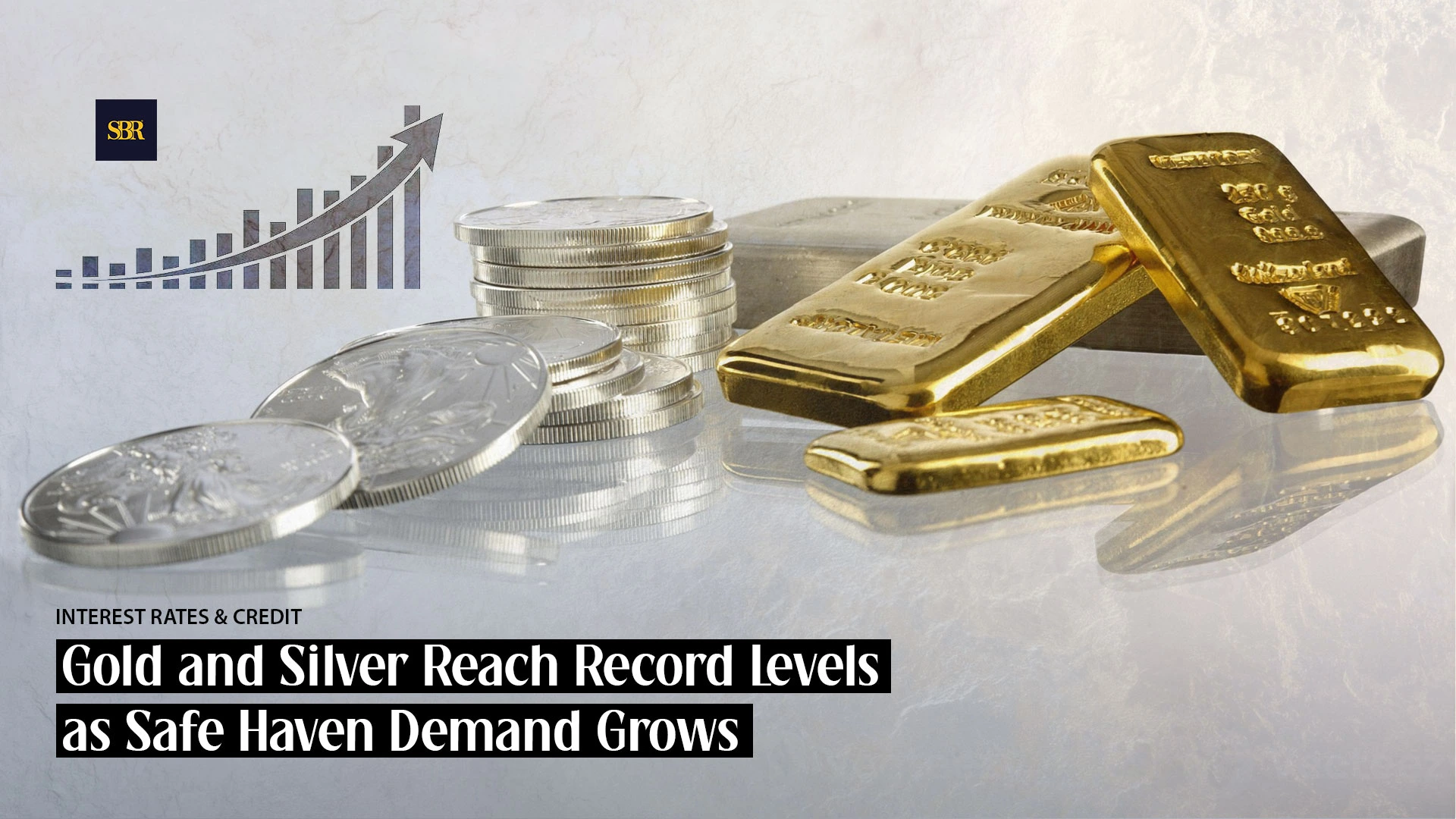
NEW YORK, Jan. 12, 2026 — Gold and silver surged to historic highs as investors moved decisively into assets viewed as protection during periods of uncertainty. The rally unfolded amid geopolitical tension, political disputes in the United States and shifting expectations around interest rates, all of which unsettled currency and equity markets. Gold traded above $4,600 an ounce during Asian hours before easing slightly, while silver touched record territory near $80 an ounce, extending a powerful run that began late last year.
Market participants attributed the move to renewed appetite for safe havens as doubts spread across financial markets. Political friction surrounding the U.S. Federal Reserve added another layer of unease, while ongoing conflict in the Middle East kept geopolitical risk firmly in focus. These factors worked together, directing flows toward bullion, which is often favored when trust in traditional assets weakens.
Safe Haven Demand Shapes Trading
Periods of instability often send investors toward gold and silver, and recent developments reinforced that tendency. Tensions involving Iran intensified after deadly protests and warnings directed at U.S. military interests in the region. Such events unsettled markets already coping with fragile sentiment and uneven economic signals.
At the same time, political discord in Washington weighed on the dollar. Public criticism of Federal Reserve leadership and scrutiny of policy decisions unsettled investors who depend on institutional reliability. As the dollar weakened, gold priced in U.S. currency became more attractive to overseas buyers, adding further support to prices.
Silver followed gold higher, reflecting both its role as a financial hedge and its link to industrial demand. Traders noted that silver often magnifies moves seen in gold during periods of heavy speculative interest. That dynamic helped propel prices to unprecedented levels and highlighted the intensity of current demand across the precious metals sector.
Rate Cut Expectations Gain Momentum
Jobs Data Reshapes Views on Monetary Policy: Expectations for U.S. interest rate cuts gathered pace following signs of slower economic activity. Recent employment figures pointed to softer hiring across several sectors, prompting investors to reassess the policy outlook. Job losses were reported in construction, retail and manufacturing, while overall job creation fell short of forecasts.
Although the unemployment rate edged lower, the broader message suggested a labor market losing momentum. This shift encouraged markets to price in a greater chance of policy easing later in the year. Bond yields declined in response, reinforcing conditions that tend to favor non-interest-bearing assets such as gold and silver.
Dollar Weakness Reinforces Bullion Demand: As rate cut bets strengthened, the U.S. dollar lost ground against major currencies. Currency moves and policy expectations became closely linked, with bullion markets reacting quickly to each new data point. A softer dollar reduced the cost of gold and silver for international buyers, reinforcing upward price movement.
Investors also adjusted portfolios as equity markets showed signs of strain. Lower futures and mixed performance across global stock indexes encouraged a tilt toward defensive assets. Bullion benefited from this shift, supported by the view that monetary easing would reduce the appeal of yield focused investments.
Political Uncertainty Adds to Volatility
Political developments in the United States added another source of market unease. Public remarks involving the Federal Reserve chair and scrutiny over congressional testimony unsettled investors and revived debate around policy independence. Such episodes often undermine faith in the dollar as a reliable store of value.
As the dollar slipped, commodities priced in U.S. currency gained additional support. Gold and silver led the move, while platinum and palladium also advanced, though to a lesser extent. The broader pattern suggested renewed interest in hard assets as investors reassessed exposure to financial risk.
Equity markets reflected similar caution. Volatility increased as traders weighed political headlines alongside economic data. This environment encouraged portfolio shifts toward assets perceived as defensive, reinforcing the bid for precious metals.
Global Effects and Market Outlook
The rally in gold and silver sent ripples through global markets. In Asia, higher prices tempered jewelry demand in some regions, though investment buying remained firm. Exchange traded funds backed by gold recorded fresh inflows, signaling renewed interest from institutional investors seeking diversification.
In India, one of the world’s largest gold consumers, dealers reported cautious physical buying as prices hovered near record levels in local currency terms. Even so, traders said longer term buyers continued to view price dips as opportunities, reflecting enduring trust in gold as a store of value.
Silver’s ascent also drew attention from industrial users, who may face higher costs if elevated prices persist. Market observers said tension between investment demand and industrial use could influence silver trading in the months ahead, particularly if economic data remains mixed.
For now, bullion markets remain focused on economic releases, central bank commentary and geopolitical developments. Each new signal has the potential to reshape expectations around interest rates and risk appetite. Gold and silver have become barometers of global unease, mirroring investor behavior shaped by uncertainty rather than optimism.
As doubts linger around economic growth, political stability and monetary policy direction, demand for precious metals is likely to remain firm. Recent records suggest many investors view gold and silver not as short term trades but as essential holdings during a period marked by persistent global tension.
As the dollar slipped, commodities priced in U.S. currency gained additional support. Gold and silver led the move, while platinum and palladium also advanced, though to a lesser extent. The broader pattern suggested renewed interest in hard assets as investors reassessed exposure to financial risk.















.webp)