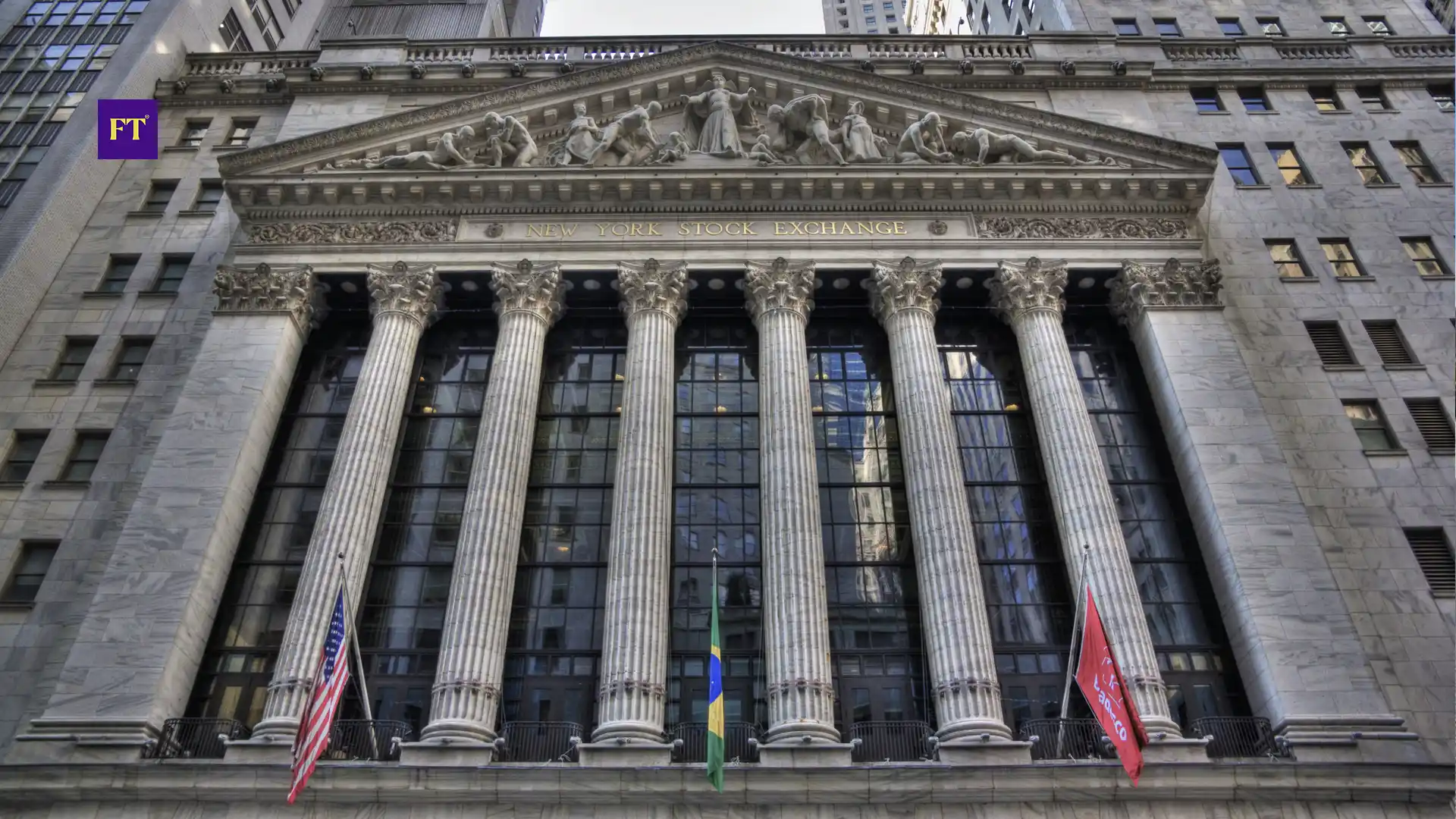
NEW YORK, Oct. 10, 2025 — IMF Managing Director Kristalina Georgieva has shown optimism over the world economy, saying it has surpassed expectations and proved to be more resilient despite acute strains from multiple shocks.
The IMF chief said this while forecasting only a slight slowing of global growth this year and in 2026.
The recent economic data, said Kristalina Georgieva, showed a softening in the U.S. economy, but it had dodged a recession feared by many experts just six months ago.
The coming week is expected to be eventful, not just in terms of Q3 earnings but also due to several developments slated on the global economic front.
The IMF and World Bank Annual General Meetings, or AGMs, to be held next Tuesday, would be keenly watched by the US.
This United States’ interest in the AGMs is on expected lines, after the U.S. Treasury on Thursday (October 9) finalized a $20 billion currency swap framework with Argentina and bought pesos in the open market on Thursday, making good on President Donald Trump’s pledge to prop up the wobbling country and sending the peso and Argentine dollar bonds sharply higher, reported Reuters.
“The U.S. Treasury is prepared, immediately, to take whatever exceptional measures are warranted to provide stability to markets,” U.S. Treasury Secretary Scott Bessent said in announcing the actions on X.
Know why IMF and Goldman Sachs are Bullish on World, US Economy
Recent data has revealed a rather resilient global economy, particularly in the United States.
The IMF chief has been vocal on the U.S. economy, and other economies are putting up a brave front, owing to better policies, a more adaptable private sector, and less severe import tariffs than feared. Speaking at an event hosted by the Milken Institute in Washington, Kristalina Georgieva also highlighted the supportive financial conditions.
“We see global growth slowing only slightly this year and next. All signs point to a world economy that has generally withstood acute strains from multiple shocks,” Georgieva said in a preview of the IMF’s upcoming World Economic Outlook to be released next Tuesday during the annual meetings of the IMF and the World Bank.
Rising tariffs and ongoing uncertainty have caused concern, while economic activity has held up since the second quarter of the year to an extent that 2025 GDP growth estimates have been recently revised upward to 3.2 percent globally, according to the Organisation for Economic Co-operation and Development, and 2.5 percent for the United States, according to Goldman Sachs.
Last week, Goldman Sachs Group Inc. CEO David Solomon told Bloomberg that he expects the US economy to accelerate into 2026 as tailwinds from continued stimulus and tech spending outweigh a softer labor market and geopolitical turmoil.
Government spending and “all of the AI infrastructure build” mean, on balance, the economy was “still in pretty good shape,” Solomon said, despite the impact of tariffs and a slower US job market.

Know more about Sector-specific Earnings Preview
Healthy Q3 for Banks: Notably, the first and second quarter earnings this fiscal coincided with the tariffs announcement and trade tensions between the US and other major economies.
The third quarter earnings, scheduled for next week, will be amidst a government shutdown, which has spiralled into the week beginning October 13. Small enterprises watched earnings of the first two quarters keenly and cheered the performance of tech and auto stocks, which saw firecrackers on Wall Street.
The six largest U.S. banks are expected to report stronger third-quarter earnings next week, catapulted by a rebound in investment banking, reported Reuters.
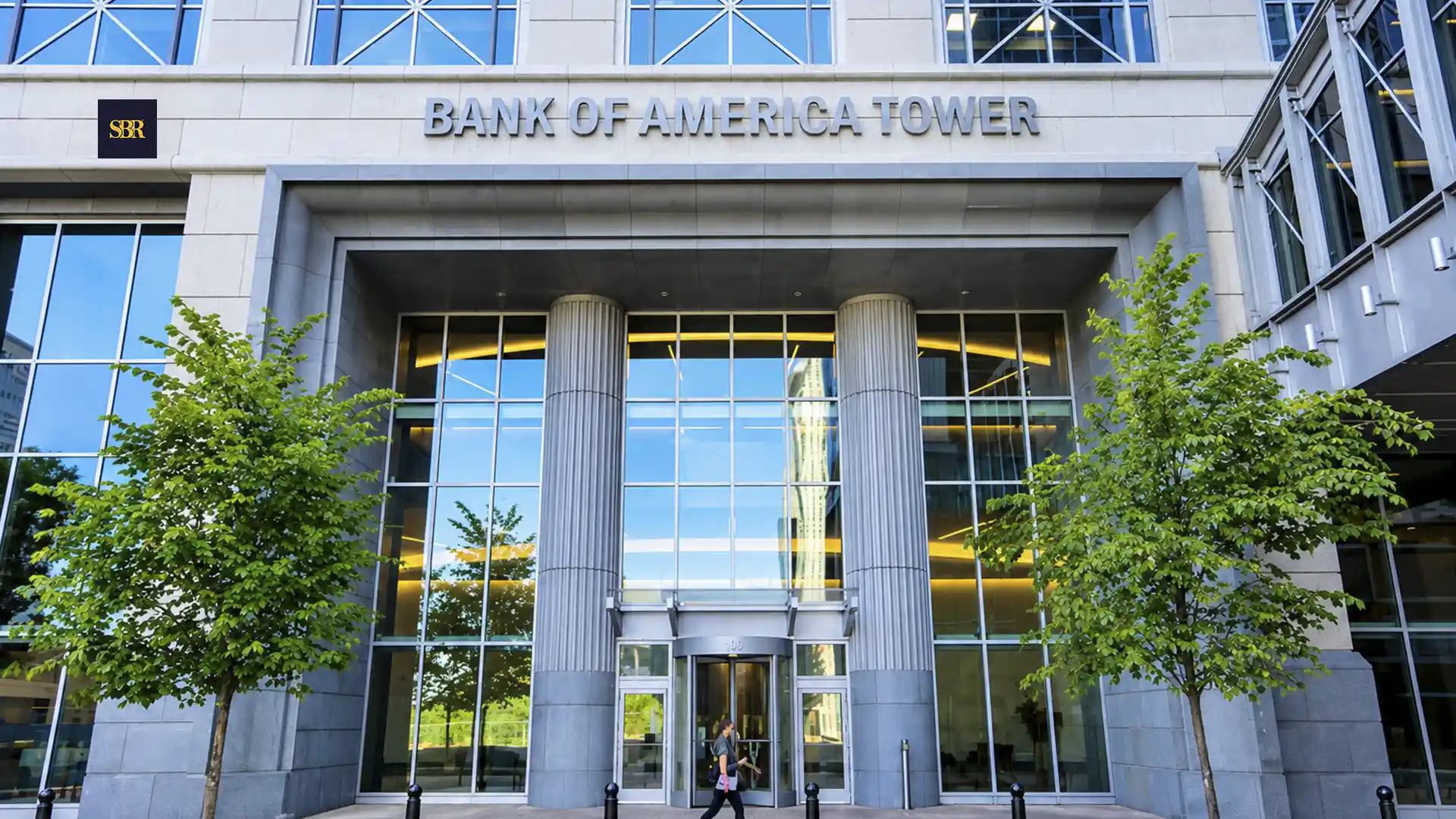
JPMorgan Chase, Goldman Sachs, Morgan Stanley, Bank of America, Citigroup, and Wells Fargo are forecast to benefit from resurgent dealmaking, while a resilient economy keeps borrowers in good shape, propping up consumer and commercial lending divisions.
However, U.S. companies could report milder earnings growth in the third quarter than earlier this year, partly due to a likely tariff hit, while investors look for signs that heavy spending on artificial intelligence is paying off.
AI Stocks in Focus: While most U.S. corporations have managed to beat earnings expectations even after U.S. President Donald Trump first announced wide-ranging tariffs on imports in April, the full impact of his trade policies remains uncertain.
With optimism about emerging AI technology lifting Wall Street indexes to record highs this year, investors are likely to focus more on AI-related capital expenditures than tariffs and other risks.
Earnings Preview: In the second quarter earnings, Alphabet, SK Hynix, and India’s Infosys exceeded market forecasts and predicted brighter days to come, with Alphabet and SK Hynix both flagging plans to boost spending.
SK supplies the world’s most valuable company, Nvidia, the AI chipmaking giant that had surpassed $4 trillion in market value.
Notably, in the third quarter, analysts expect S&P 500 companies to post 8.8 percent higher earnings than in the 2024 third quarter, according to the latest LSEG forecast.
Year-over-year growth was above 13 percent in each of the first two quarters of 2025. The reporting period unofficially kicks off next week with results from some of the biggest U.S. banks.
If you want this aligned to a specific CMS style guide or shortened without altering meaning, say the word.
JPMorgan Chase, Goldman Sachs, Morgan Stanley, Bank of America, Citigroup, and Wells Fargo are forecast to benefit from resurgent dealmaking, while a resilient economy keeps borrowers in good shape, propping up consumer and commercial lending divisions.







.webp)