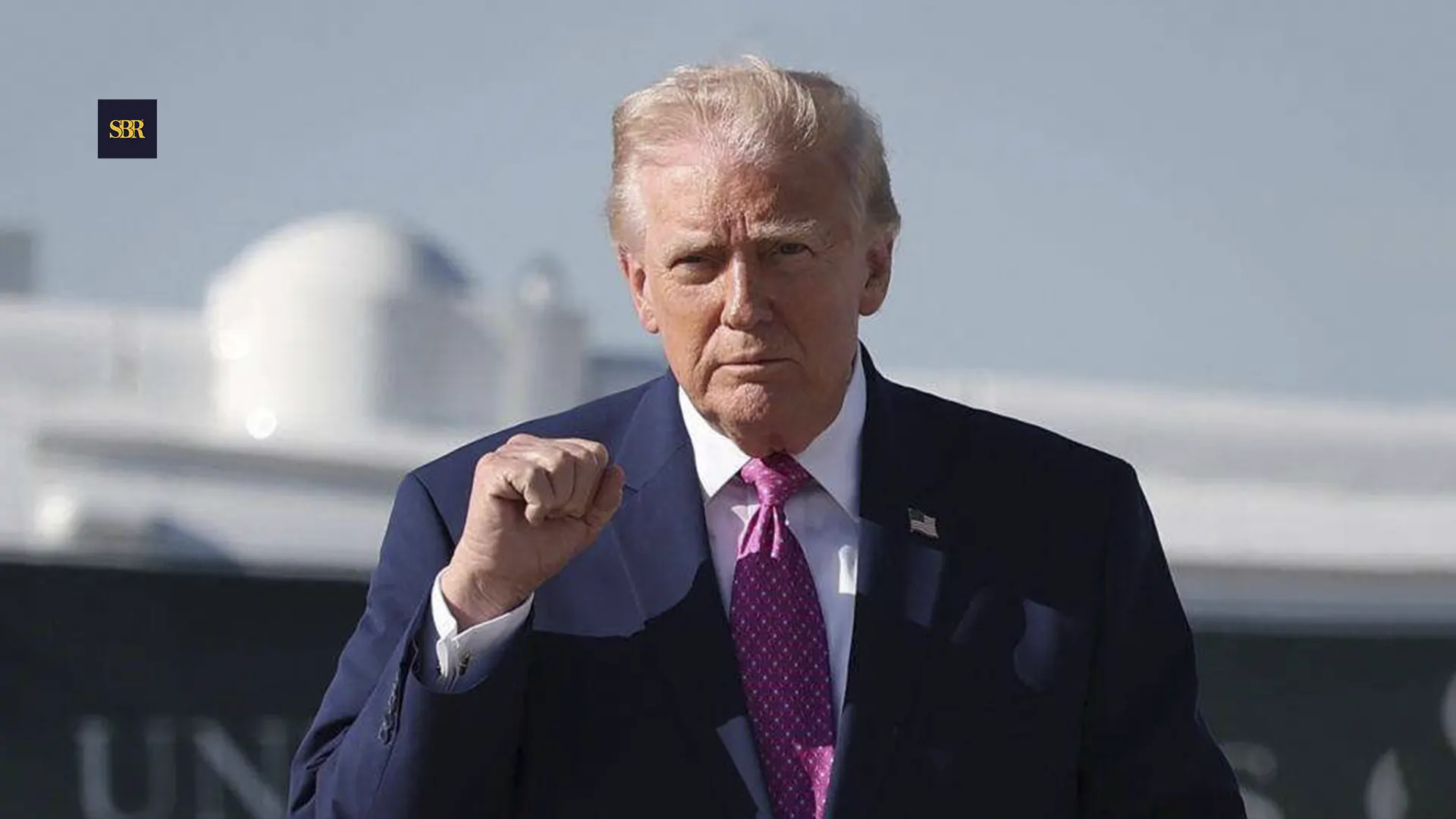
BEIJING / WASHINGTON, May 16, 2026 — President Donald Trump returned from Beijing with new commercial promises, warmer rhetoric from Chinese President Xi Jinping, and renewed diplomatic engagement between the world’s two largest economies. Yet beneath the ceremonial meetings and business announcements, the long-running stalemate between Washington and Beijing remains firmly in place. The visit marked one of the most closely watched diplomatic events of Trump’s second term. Business executives, investors, and foreign policy observers had hoped the meetings could produce a breakthrough after months of tariff battles, export restrictions, and geopolitical friction. Instead, both governments appeared satisfied with a temporary easing of tensions rather than a sweeping agreement capable of changing the direction of U.S.-China relations. Trump framed the visit as a productive moment for trade and diplomacy, while Chinese officials presented the meetings as proof that dialogue between the two powers still matters despite big differences over technology, military activity in Asia, and global economic policy.
Public statements from both sides highlighted cooperation, mutual respect, and the importance of ongoing communication. Still, neither government moved far from long-standing positions on the major disputes dividing them. Tariffs remain in place across major sectors, restrictions involving semiconductor exports continue fueling economic rivalry, and Taiwan remains one of the most sensitive flashpoints in the relationship. For both Washington and Beijing, the summit represented an effort to manage competition rather than resolve it.
Beijing Visit Delivers New Economic Pledges
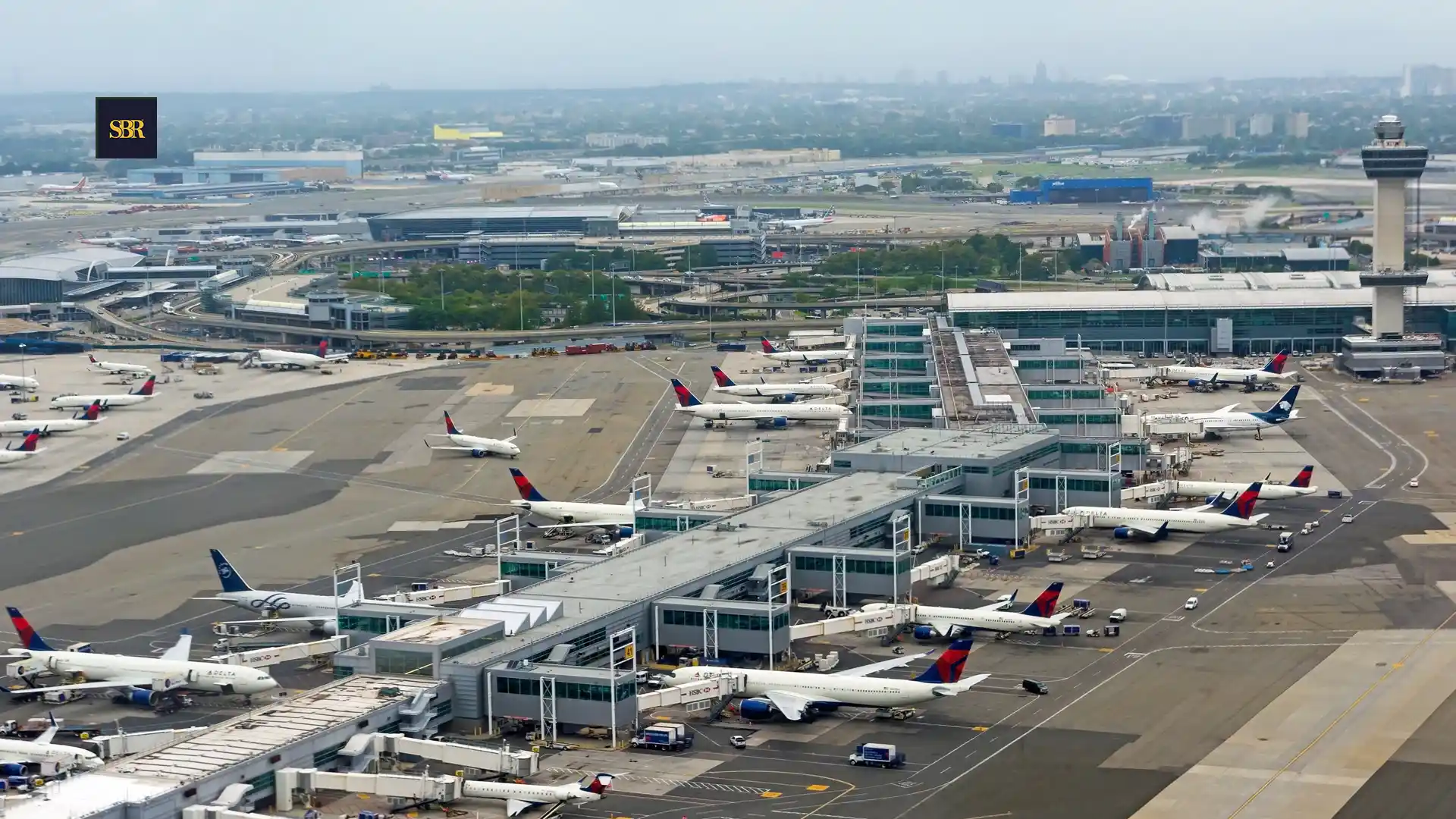
Trump traveled to Beijing, accompanied by leading American business executives seeking greater commercial access and stronger economic ties with Chinese partners. The visit featured high-profile meetings involving technology firms, manufacturing companies, and major exporters hoping to secure fresh opportunities inside China. Chinese officials responded with elaborate state ceremonies and carefully managed diplomatic events that echoed the tone of Trump’s earlier visits during his first presidency. The public display reflected Beijing’s effort to stabilize relations after months of harsh rhetoric and trade escalation between the two countries. Several commercial announcements emerged during the summit, including discussions involving future Chinese purchases of American agricultural products, aviation equipment, and energy-related deals. Boeing once again emerged as a focal point in trade discussions as Chinese airlines explored possible aircraft commitments following years of turbulence in U.S.-China commercial relations.
While many of those agreements remain preliminary, the announcements allowed both governments to present the visit as economically productive. Trump emphasized job creation and future export opportunities for American companies, while Chinese officials highlighted economic cooperation and long-term commercial engagement between both nations. Financial markets reacted cautiously to the diplomatic tone surrounding the summit, welcoming signs of reduced hostility after months of uncertainty surrounding tariffs and supply chain disruption. Yet market analysts also noted that no major rollback of existing trade restrictions took place during the visit. Washington continues maintaining restrictions involving advanced semiconductor exports and sensitive technologies tied to artificial intelligence development, while China continues pursuing domestic manufacturing expansion and technological independence after years of American export controls. Neither government showed willingness to retreat substantially from those strategic economic policies during the meetings in Beijing.

Trade Disputes Continue Shaping Relations
Economic rivalry remains one of the defining features of modern U.S.-China relations. Trump returned to office promising aggressive action against Chinese trade practices that American officials have long described as unfair to U.S. manufacturers and technology firms. During the past year, Washington expanded tariffs across multiple Chinese sectors, prompting retaliatory action from Beijing. Those measures intensified concerns among global manufacturers, exporters, and financial institutions worried about prolonged economic confrontation between the world’s two largest economies. Trump’s visit briefly lowered fears of another immediate escalation, with diplomatic exchanges between American and Chinese officials turning noticeably warmer during the summit as both governments publicly stressed dialogue and cooperation.
Even so, the fundamental disagreements remain unresolved. American officials continue accusing China of unfair industrial policy, intellectual property violations, and market barriers that disadvantage foreign companies, while Chinese leaders argue that Washington increasingly uses national security concerns to restrict Chinese technological development and economic growth. Those disputes now extend far beyond tariffs. Competition involving semiconductors, artificial intelligence, rare earth minerals, and advanced manufacturing has become deeply tied to national security strategy on both sides. Trump sought economic wins capable of strengthening domestic manufacturing and reducing criticism surrounding trade disruption, while Beijing sought reduced tension without accepting major concessions that could weaken China’s long-term economic priorities. The result was a summit filled with positive diplomatic language but limited structural change. Several analysts noted that both governments now appear resigned to a prolonged period of managed competition rather than genuine partnership. Earlier hopes that deeper economic ties would eventually reduce political rivalry have largely disappeared in both capitals. For American businesses operating in China, uncertainty remains significant as companies continue monitoring tariffs, export controls, and possible regulatory changes that could affect future operations. Chinese manufacturers likewise face growing barriers across Western markets as geopolitical rivalry continues to reshape global trade patterns.
Taiwan and Security Issues Remain Sensitive
Security concerns involving Taiwan remained one of the most delicate subjects surrounding Trump’s visit, even though both governments avoided direct public confrontation over the issue. China continues viewing Taiwan as part of its territory and strongly opposes American military cooperation with Taipei, while Washington maintains unofficial relations with Taiwan and continues arms sales and regional security commitments involving U.S. allies in Asia. During the summit, Xi reportedly warned against actions capable of destabilizing the Taiwan Strait. Trump avoided detailed public remarks regarding future military policy, instead focusing heavily on trade and diplomatic engagement. That restraint reflected the fragile condition of the relationship itself. Neither side wanted the Beijing meetings overshadowed by security disputes, yet neither government softened long-standing strategic positions.
Military rivalry across Asia has intensified over recent years through American naval operations in the South China Sea, Chinese military exercises near Taiwan, and expanding defense partnerships involving Japan and the Philippines. The summit produced no new security agreements capable of easing those concerns permanently. Technology disputes also remain deeply connected to military competition, with Washington continuing to limit exports involving advanced chips and artificial intelligence systems viewed as strategically sensitive while China accelerates domestic investment in semiconductor manufacturing and technological development in response. Those policies have turned economic competition into a wider geopolitical contest involving military strength, industrial capacity, and technological dominance. Even while diplomatic language softened during Trump’s visit, both governments continued preparing for long-term rivalry.
Iran Crisis Adds Another Layer to Talks
Trump’s Beijing visit unfolded while conflict involving Iran dominated international headlines, adding another layer of urgency to discussions between Washington and Beijing. Trump stated publicly that Xi agreed on the importance of restoring stability to major shipping routes and preventing further escalation involving Iran. Chinese officials used more restrained language while calling for de-escalation and diplomatic dialogue across the region. The Middle East crisis highlighted another major challenge within the U.S.-China relationship, as Washington increasingly wants Beijing to use its economic influence and diplomatic relationships during global crises while China often avoids direct alignment with American foreign policy objectives. Even so, the discussions demonstrated that both countries still recognize the importance of communication during periods of international instability.
Trump presented cooperation involving Iran as evidence that Washington and Beijing can still work together despite strategic rivalry elsewhere, while Chinese officials likewise portrayed dialogue with the United States as necessary for global economic and political stability. Yet no major joint initiative emerged from those conversations. Instead, the summit reflected a pattern that now defines much of the U.S.-China relationship, with both governments continuing diplomatic engagement while protecting separate strategic interests on trade, technology, military policy, and global influence. That balancing act may become one of the defining features of international politics during the coming years. For now, both governments appear focused on preventing confrontation from spiraling further while accepting that deeper disputes will remain unresolved. Trump returned home able to point toward new trade commitments, warmer diplomatic exchanges, and restored communication with Beijing, while Xi secured a reduction in immediate hostility from Washington without sacrificing China’s strategic priorities. Neither side achieved a decisive breakthrough, and the summit ultimately reinforced a reality that now shapes relations between the two powers. Washington and Beijing remain deeply connected economically while competing aggressively across technology, trade, and global influence. Diplomatic engagement may reduce tension temporarily, but the larger deadlock between the United States and China continues to define one of the world’s most consequential relationships.
Public statements from both sides highlighted cooperation, mutual respect, and the importance of ongoing communication. Still, neither government moved far from long-standing positions on the major disputes dividing them.