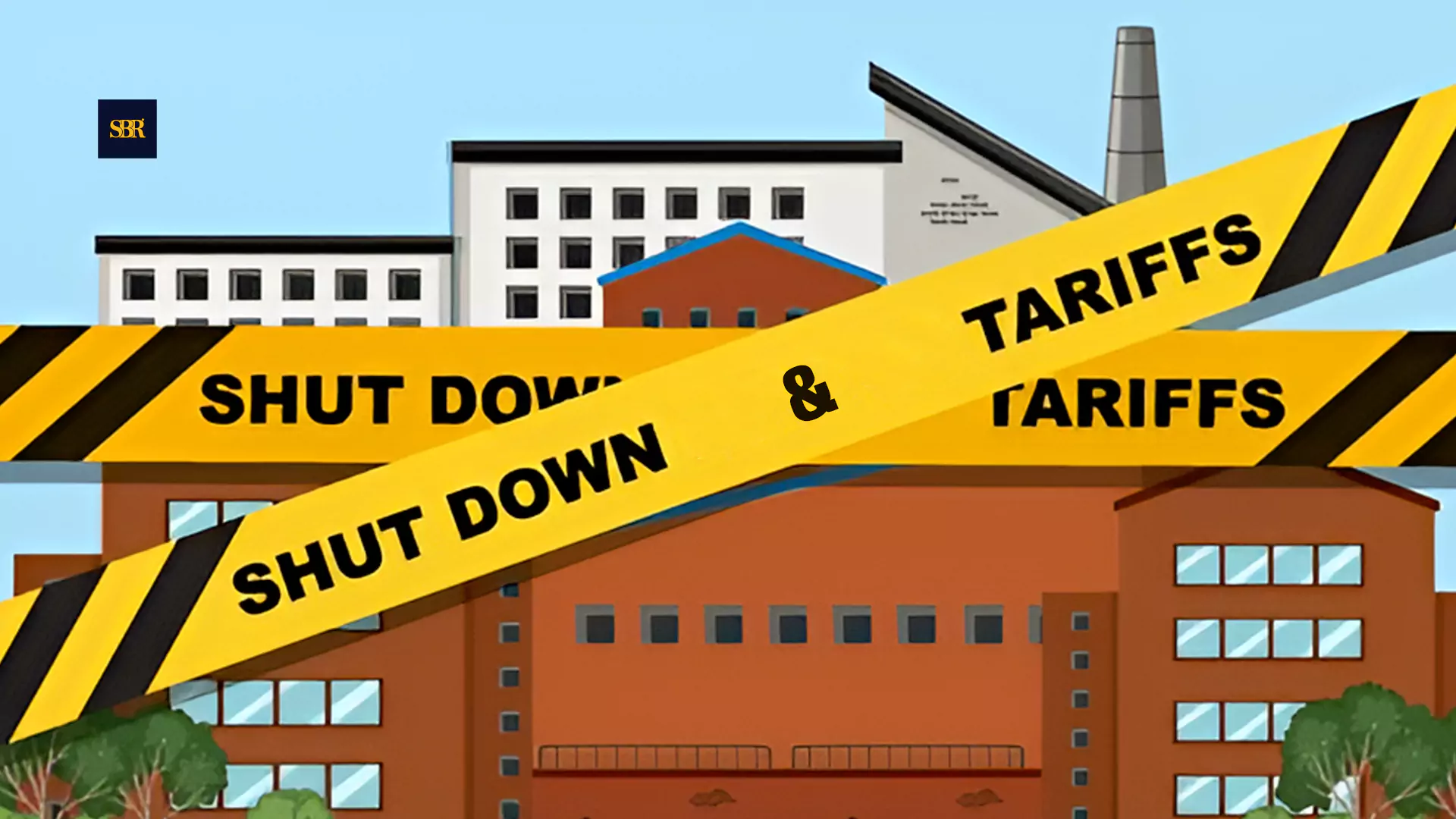
WASHINGTON, Oct. 17, 2025 — Small businesses across the United States are feeling the immediate effects of political disputes in Washington. The government shutdown that began on October 1 due to budget disagreements between Republicans and Democrats has created tangible challenges for small business contractors and loan recipients. Neil Bradley, Executive Vice President and Chief Policy Officer at the U.S. Chamber of Commerce, highlighted that thousands of contractors may go unpaid for weeks, leaving many struggling to cover operational costs.
“Thousands of small business contractors will go without their bills being paid, and who knows when they'll have the opportunity to recoup those funds,” Bradley said. He stressed that shutdowns are deliberate political choices and called on elected officials to resolve disputes swiftly to prevent further disruption to small enterprises.
Small businesses seeking loans from the Small Business Administration are also encountering delays. Approvals that once took weeks are now on hold, adding another layer of uncertainty for businesses that rely on timely access to capital to maintain cash flow and payroll.
How are Tax Policies and Tariffs Shaping Business?
Tariffs and Trade Pressures: Rising tariffs are creating indirect costs for small enterprises. With an average rate of 18 percent, tariffs now act as a $600 billion tax on the economy, pending a Supreme Court ruling on their legality. Many small businesses are evaluating supply chains and pricing strategies to cope with these additional financial burdens.
Tax Incentives and Relief: On the other hand, new legislation offers some relief. The One Big Beautiful Bill has made investments and research and development deductions permanent, protecting small businesses from a sudden tax hike. Bradley noted that the bill also encourages local partnerships to expand childcare options for working parents, a move that could support workforce stability for smaller enterprises.
These shifts demonstrate a complex environment where policy decisions can simultaneously challenge and support small business growth, requiring leaders to remain agile and informed.
Is the Workforce Supply Under Threat?
Immigration policy is another area creating uncertainty for small businesses. Bradley warned that changes in legal work authorizations could suddenly render experienced workers ineligible for employment, reducing the available workforce at a time when demand for skilled labor remains high.
The U.S. Chamber of Commerce is actively engaging with lawmakers to ensure that legal pathways remain open for workers who contribute to economic growth. Without these protections, small businesses could face operational bottlenecks and find it difficult to scale or maintain service levels, further adding pressure to already stretched budgets.
Economic Confidence and Small Business Outlook
Despite these challenges, the U.S. economy has shown resilience, according to Bradley. While business confidence has dipped, experts are not predicting a recession. He emphasized that the economy could be growing stronger if policy uncertainties were resolved.
Small business optimism, however, has been impacted by ongoing political and economic pressures. The Small Business Optimism Index dropped to 98.8 in September, the lowest level since June, reflecting concerns over future sales, inflation, supply chain disruptions, and inventory management. The survey’s uncertainty index climbed to 100, marking the fourth-highest reading in the 51-year history of the survey, signaling significant apprehension among business owners.
Bradley stressed that these near-term setbacks do not diminish the long-term potential of small enterprises. “What worries us is that we think we could be growing even stronger,” he said. The ability of small businesses to navigate regulatory and political challenges will play a key role in determining their contribution to overall economic performance in the months ahead.
Small businesses are in the midst of a complex economic landscape, buffeted by policy decisions, financial uncertainty, and labor challenges. Yet the resilience of the U.S. economy provides a counterweight, offering hope that these enterprises can endure short-term difficulties while positioning themselves for sustained growth. As lawmakers continue negotiations on shutdowns, tariffs, and tax legislation, the stakes remain high not only for small business owners but for the broader health of the U.S. economy.
Another key benefit is that new tax incentives give small businesses an opportunity to form local partnerships and expand childcare options for working parents.







.webp)